Dog racing is a sport in which dogs run on a track while spectators watch and cheer. If you’ve seen a dog race, you might have noticed that the dogs wear muzzles. This is something that many people wonder about or worry might be harmful.
Some people believe muzzles protect dogs and keep them safe, while others think muzzles are uncomfortable or even cruel. Due to these differing opinions, there is considerable debate about whether muzzles should be used in dog racing.
The purpose of this article is to explain why muzzles are used in dog racing and to clear up any confusion or myths. By understanding the real reasons behind this practice, dog lovers can form their own informed opinions based on facts, rather than rumors.
What Are Muzzles and Why Are They Used in Dog Racing?
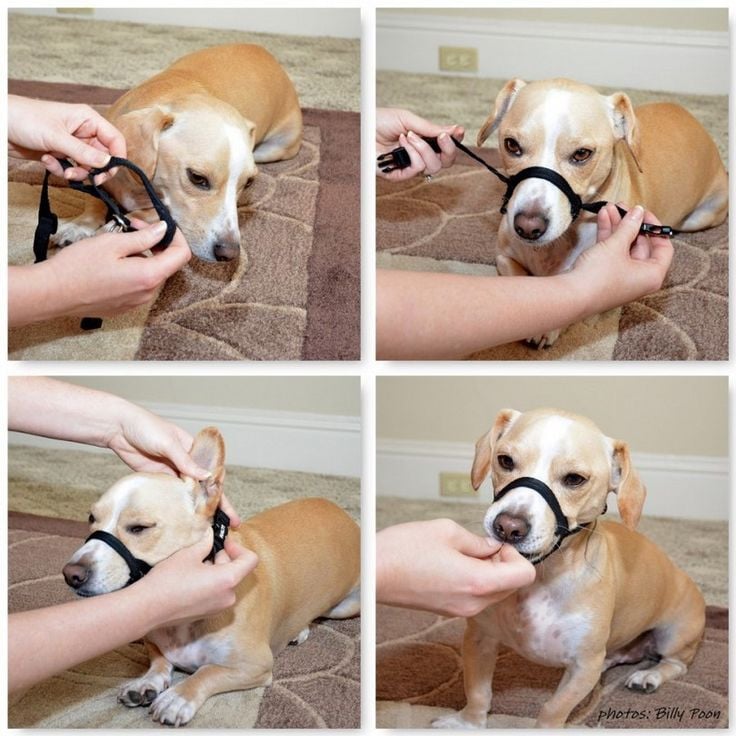
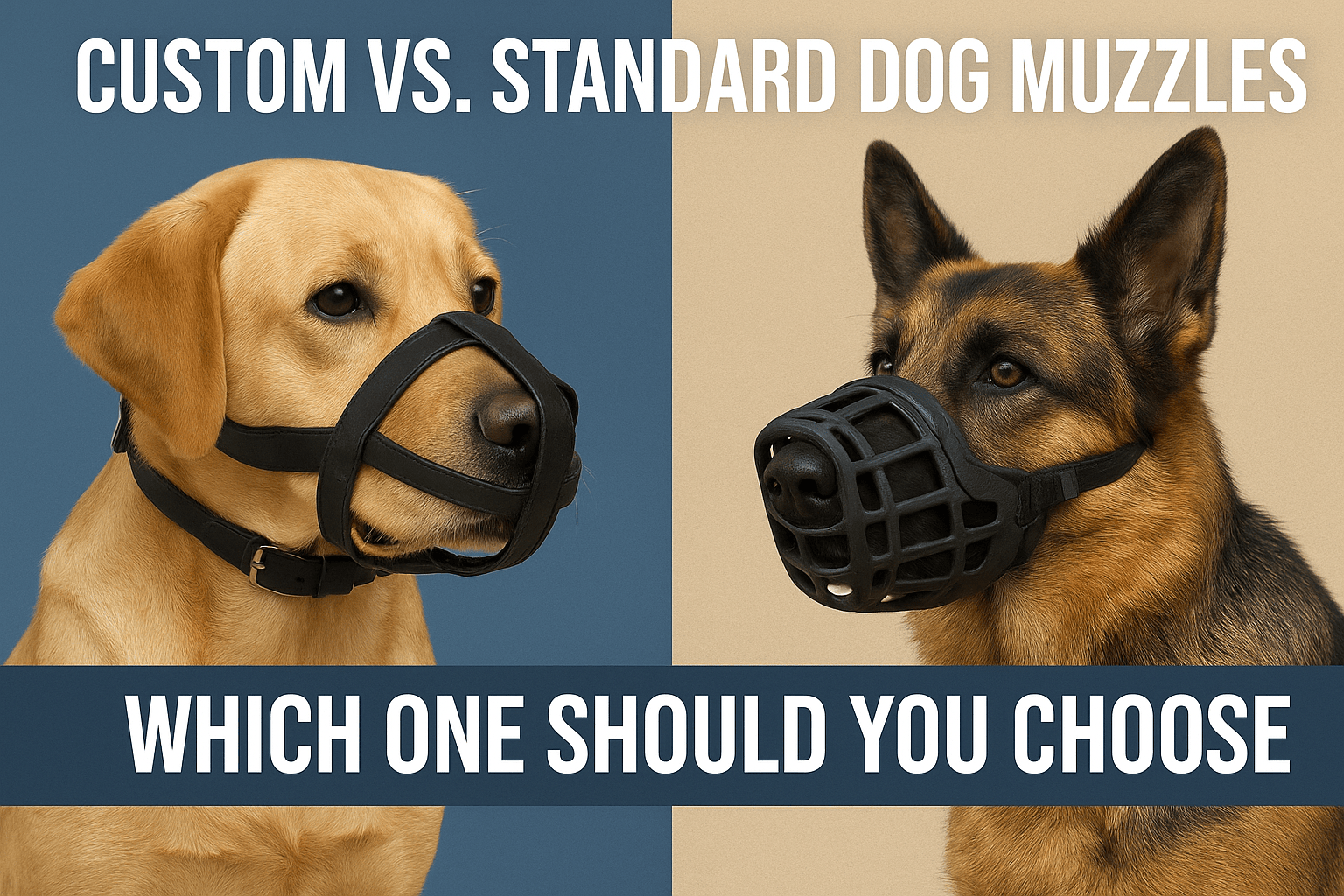
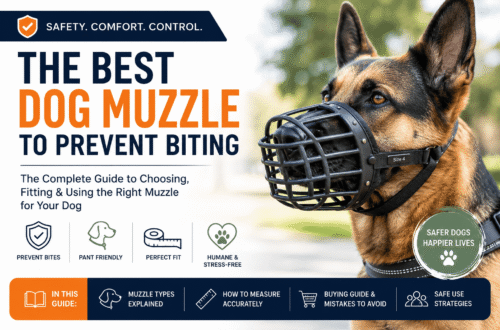
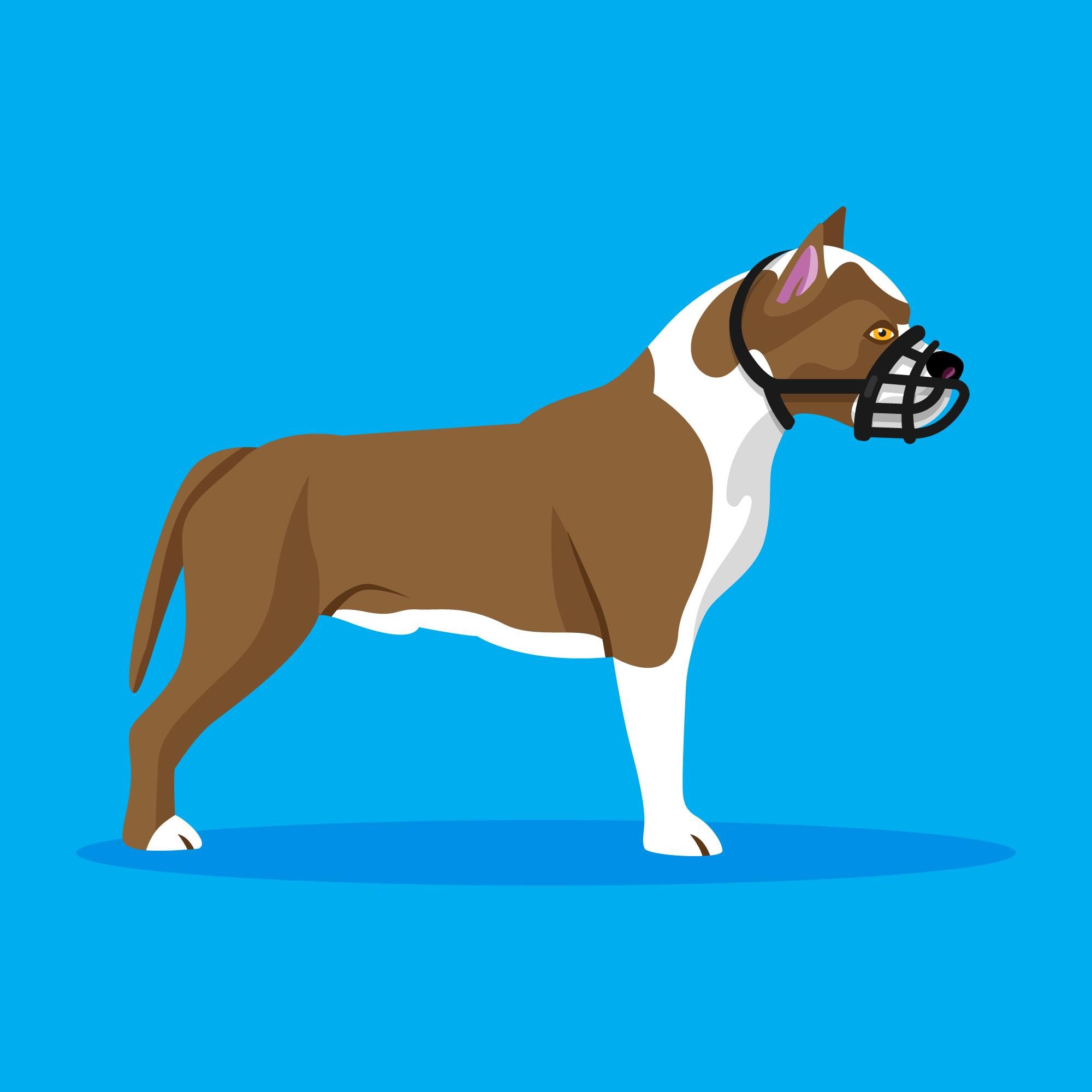
Muzzles are special coverings that fit over a dog’s mouth. They are typically made of lightweight materials, such as plastic, wire, or strong fabric. A muzzle allows a dog to breathe and pant easily, but prevents the dog from biting or picking up objects with its mouth.
In dog racing, muzzles are used for safety. When dogs race together at high speeds, they can get very excited and sometimes snap at each other. The muzzle helps prevent dogs from biting or injuring one another during the race. It also keeps the dogs safe when they finish the race, as they are often very energetic and tend to congregate closely at the finish line. Overall, muzzles are used to protect both the dogs and the people handling them, making the race safer for everyone involved.
The Role of Muzzles in Dog Racing: Safety or Control?
Muzzles are an essential part of dog racing, primarily used to keep the dogs safe. When dogs race, they run very fast and are packed closely together on the track. Due to the excitement and crowded space, a dog may become too excited and attempt to nip or bite another dog. Even a small bite can cause injuries, so muzzles help stop this from happening. This means fewer injuries for the dogs and a safer race for everyone.
Besides protecting dogs from each other, muzzles also help keep dogs from hurting themselves. Sometimes, a dog can become scared or stressed during a race and may try to bite itself. With a muzzle on, the dog can’t do this, so it stays safe even if it feels upset or nervous. This is another reason why muzzles are used—they are a simple way to prevent accidents and injuries.
However, some people wonder if muzzles are used just to control the dogs instead of keeping them safe. It’s true that muzzles can make it easier for people to manage the dogs, especially when the race is over and the dogs are still full of energy. However, in dog racing, the primary reason for using muzzles is to prevent injuries from occurring.
It’s essential to consider how dogs feel when they wear a muzzle. Some people worry that muzzles might be uncomfortable or unfair to the dogs. That’s why it’s important for those in charge of dog races to make sure the muzzles fit well and don’t hurt the dogs. The goal should always be to keep the dogs safe and happy, not just to control them. When used properly, muzzles can actually help protect the dogs and let them enjoy racing without getting hurt.
Common Myths About Muzzles in Dog Racing
Here are some common myths about muzzles in dog racing, and the facts that help clear up misunderstandings:
Myth 1: Muzzles are cruel and inhumane.
Some people believe that putting a muzzle on a dog is always mean or harmful. In reality, racing muzzles are made to be as comfortable and safe as possible. They are lightweight and designed to allow dogs to breathe, pant, and even drink water while wearing them. The main goal is to protect the dogs from biting each other or themselves. When used properly, muzzles do not hurt the dogs or cause them distress.
Myth 2: Muzzles are used to silence barking or aggression.
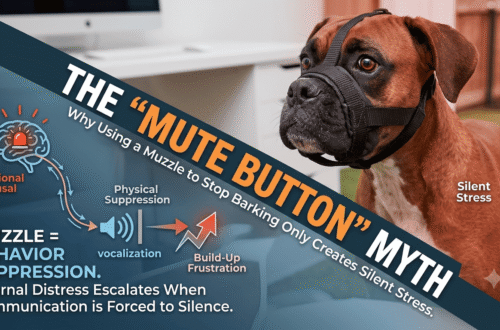
A common misconception is that muzzles are intended to prevent dogs from barking or being aggressive. Actually, muzzles in dog racing are not intended to alter a dog’s behavior or to keep them quiet. Instead, they are mainly used to prevent physical injury during the excitement of a race. Dogs can still bark while wearing a muzzle, and the design does not stop their natural behaviors except for biting.
Myth 3: All racing dogs wear muzzles at all times.
Another myth is that racing dogs must always wear muzzles, even when they are not racing. This isn’t true. Dogs usually only wear muzzles during a race or sometimes when they are all together in a group, such as at the starting gate or right after the race is finished. When the dogs are resting, training, or spending time with their handlers, they do not wear muzzles.
Understanding these facts helps show that muzzles, when used properly in dog racing, are there to keep dogs safe—not to harm or punish them.
The Debate: Are Muzzles Necessary for Dog Racing?
There is considerable debate about whether muzzles are truly necessary in dog racing. People have different opinions, and it’s important to understand both sides.
Why Some People Think Muzzles Are Needed:
Supporters of dog racing believe that muzzles are crucial for safety. When many dogs race together, they can get excited and sometimes try to bite each other. A muzzle stops this from happening and helps keep all the dogs safe from harm. People who work with racing dogs say that modern muzzles are lightweight and comfortable, so they don’t hurt the dogs. For example, a dog trainer might say, “Muzzles help prevent injuries. They’re there so the dogs stay safe during the race.”
Why Some People Disagree:
Some people are opposed to the use of muzzles in dog racing. They worry that wearing a muzzle might make a dog feel uncomfortable or scared. Others think that if muzzles are needed, maybe dog racing isn’t safe for the dogs at all. Animal groups sometimes say that muzzles are used more to control the dogs than to protect them. Someone who cares about animal welfare might say, “If the dogs need muzzles, maybe racing isn’t safe enough for them.”
What the Experts Say:
Most veterinarians and animal experts agree that, when used correctly, muzzles can help keep dogs safe during races. They say a well-fitted muzzle does not hurt the dog and is only used during the race, not all the time. For example, a vet might explain, “A good muzzle is like a helmet for a bike rider. It’s just safety gear.” Experts also recommend checking that the muzzle fits well and doesn’t bother the dog.
Ultimately, people want to do what’s best for the dogs. The debate is primarily about finding a balance between keeping dogs safe and comfortable. It’s essential to consider all perspectives and gather the facts so that everyone can make an informed decision about what they believe is best for the dogs.
The Welfare of Racing Dogs: Beyond the Muzzle
Taking care of racing dogs involves much more than just using muzzles. The way dogs are trained and cared for plays a big role in how they behave during races and how safe they feel.
Training and Care
Good trainers know that proper training and gentle care are the most important things for racing dogs. Dogs that are well-trained and treated kindly are less likely to get too excited or act out during a race. Many trainers use muzzles only when necessary, such as when a dog is new to racing or if there’s a risk of the dogs getting into a fight. For most well-cared-for dogs, muzzles are primarily a safety tool, not something that is used frequently.
Race Conditions and Dog Well-Being
The environment where dogs race also matters for their well-being. Dogs need clean, safe tracks, enough space to run, and plenty of water and rest. When dogs are healthy and happy, they are less likely to have problems on the track. Muzzles are just one small part of keeping racing dogs safe. Making sure the dogs are comfortable, healthy, and respected is even more important.
In short, muzzles are only a tiny piece of the puzzle when it comes to looking after racing dogs. What really matters is that the dogs are trained with kindness, kept in good conditions, and treated with care throughout their lives. This helps them race safely and enjoy their experience.
What Can Dog Lovers Do to Help Racing Dogs?
Dog lovers can play a crucial role in ensuring that racing dogs are treated well and live happy lives, both during and after their racing careers.
Supporting Humane Practices:
One way to help is to support racing organizations that prioritize the health and well-being of their dogs. Dog lovers can learn about how different groups treat their racing dogs and choose to support those that use kind training methods, provide good living conditions, and use muzzles only when needed for safety. Sharing information and raising awareness about dog welfare in racing can also help others understand why humane treatment is so important.
Adopting Retired Racing Dogs:
Another great way to help is by adopting a retired racing dog. When their racing days are over, these dogs often need loving homes. Some may need a little extra patience and training as they adjust to family life, but many retired racers become wonderful pets. By adopting or even fostering a retired racing dog, dog lovers can give these animals a second chance at happiness.
In short, dog lovers can make a significant difference by supporting ethical racing practices and opening their homes to retired racing dogs. This helps ensure that every racing dog gets the care and respect it deserves.
Conclusion
In conclusion, muzzles are used in dog racing mainly to keep the dogs safe. They stop dogs from biting each other or themselves when they get excited during a race. When muzzles are used correctly, they do not harm the dogs. Instead, they help protect them.
It’s also important to know that taking care of racing dogs is about much more than just using muzzles. Dogs need good training, gentle care, and safe places to race. All of these things help keep them happy and healthy.
As a dog lover, you can help by learning the facts about muzzles and dog racing, supporting groups that treat their dogs well, and thinking about adopting a retired racing dog. By understanding the real reasons for using muzzles, you can make up your own mind and help make life better for racing dogs.
If you want to help racing dogs, start by learning more about how dog racing works and what is best for the dogs. The more you know, the better choices you can make.
You can also support groups that work to keep racing dogs safe and happy. Some good places to start are the American Greyhound Council, Greyhound Adoption Program, and the Humane Society. These organizations share helpful information and provide opportunities for you to get involved.
By learning, sharing what you learn, and supporting good causes, you can help make life better for racing dogs everywhere.