Introduction
Greyhounds are an ancient dog breed famous for being fast, graceful, and gentle. They were originally bred to hunt and race, so they can sprint very quickly—up to 45 miles per hour for short distances. Even though they are athletic, Greyhounds are usually relaxed and calm at home, which makes them great pets for families and individuals.
Greyhounds have slim bodies and long legs, perfect for running fast. They are usually friendly, loving, and polite. But they also have a strong instinct to chase things that move, called a prey drive. Because of this, they may sometimes react unpredictably around small animals, which is why using a muzzle can be important.
If you are new to Greyhounds, it’s important to learn how to care for them so both your dog and everyone around them stay safe and happy. One thing new owners often wonder about is why Greyhounds need to wear muzzles. Even if it seems strange at first, muzzling is a simple safety step that can prevent problems.
This guide will explain why Greyhounds need muzzles, how to pick the right one, and how to help your dog get used to wearing it. We’ll also clear up common misunderstandings and give you tips for training your Greyhound. Whether you’re getting your first Greyhound or want to learn more, you’ll find simple, helpful advice here to keep your dog safe and happy.
Understanding the Need for Muzzles
Greyhounds’ Natural Hunting Instinct
Greyhounds were first bred to hunt, especially to chase and catch small animals like rabbits. Because of this, they still have a strong instinct to chase things that move quickly. This is called a prey drive. While this makes Greyhounds great racers, it can be dangerous if they see small animals like cats, squirrels, or little dogs. Even a calm and well-trained Greyhound might suddenly want to chase when outside or off-leash, because that instinct is very strong.
Many Greyhounds will want to chase if they see something move suddenly, so it is hard to know when it might happen. That’s why it’s important to use a muzzle. A muzzle makes sure that if your Greyhound tries to grab something, they won’t be able to bite or hurt it.
Greyhounds’ Socialization and Temperament
Even though Greyhounds have strong hunting instincts, they are usually friendly and gentle. They are calm, loving, and enjoy being around people. At home, they are often called “couch potatoes” because they like to relax. Most Greyhounds get along well with their families and are good with other dogs, especially those that are their own size.
However, because of their high prey drive, Greyhounds can have trouble when meeting smaller animals or even some small dogs. Most are not aggressive, but some might act suddenly if they see something small and quick. With training and careful supervision, this can be managed. Using a muzzle during these times is an easy way to keep everyone safe and avoid accidents.
Legal and Safety Considerations
Greyhounds and Legal Requirements
In some places, especially where Greyhounds race, there are laws about using muzzles. For example, racing Greyhounds in some countries must wear muzzles in public or when being transported, especially if they are near small animals or other dogs. These rules are meant to keep everyone safe, including both the Greyhounds and other pets.
If you adopt a retired racing Greyhound, local laws might still require your dog to wear a muzzle in public or on walks. Make sure you know the rules in your area and follow them to avoid fines or other problems.
Safety of Other Pets and Animals
Many people think muzzles are just to stop dogs from being aggressive, but the main reason Greyhounds wear muzzles is for safety. Greyhounds are fast and have a strong urge to chase, so they might go after small animals without warning. A muzzle keeps everyone safe because it stops your Greyhound from biting or hurting another animal, even if their chase instinct kicks in.
Putting a muzzle on your Greyhound during walks or at the dog park also helps manage their interactions with other dogs, especially if they get excited or protective. Even friendly dogs can sometimes act unpredictably, so a muzzle gives extra protection to your dog and others.
Benefits of Muzzling Greyhounds
Protection During Walks and Outings
The main reason to put a muzzle on your Greyhound is to keep everyone safe during walks or outings. If you are in a place with lots of dogs or wild animals, a muzzle makes sure your Greyhound cannot hurt other animals. This is especially important if your dog sees something small and fast that might trigger its chase instinct.
For example, if you are in a park and your Greyhound sees a squirrel or rabbit, the muzzle stops your dog from chasing and possibly hurting the small animal. It also helps keep your dog safe by preventing them from running into traffic or getting hurt while chasing something.
Stress Reduction for Owners
Many Greyhound owners worry about their dog chasing after small animals. Using a muzzle on walks helps you relax because you know your dog is less likely to harm or chase anything. This makes outings more fun and less stressful for both you and your dog. A muzzle takes away some of the worry, so you can enjoy your time together more.
Training and Behavior Management
A muzzle can help with training too. If your Greyhound is still learning not to chase or is getting used to being around other dogs, a muzzle keeps everyone safe while you work on their behavior. Using a muzzle during training lets you safely teach your dog things like walking calmly on a leash or meeting other dogs.
Training Your Greyhound to Wear a Muzzle
Gradual Introduction to the Muzzle
Training your Greyhound to wear a muzzle should be slow and positive. First, show your dog the muzzle and give them treats for being curious and calm. Put a treat inside the muzzle to encourage your dog to put their nose in, but always let them pull back if they want. Never force them or use pressure. Repeat this step until your dog is happy to put their nose in the muzzle. This helps your dog trust you and feel less anxious about the muzzle.
Desensitization Process
Once your Greyhound is happy to put their nose in the muzzle, start fastening it for just a few seconds at a time. Give your dog plenty of praise and treats while the muzzle is in place.Gradually increase the duration:
- A few seconds
- One minute
- Multiple short sessions
- Longer walks indoors
- Eventually, outdoor walks
Keep your voice happy and calm the whole time. If your dog fusses or paws at the muzzle, do not take it off then. Only remove the muzzle when your dog is calm, so they learn that being relaxed is what gets the muzzle taken off.
Monitoring for Stress or Discomfort
If your Greyhound is having trouble with the muzzle, you might see:
- Lots of pawing at the muzzle
- Whining or whimpering
- Refusing to move
- Acting panicked (pulling back, shaking their head)
If you notice these signs, stop and go back a step in training. Check that the muzzle fits well and take things more slowly.
Common Myths and Misconceptions About Muzzling
Muzzles Are a Sign of Aggression
A common myth is that only aggressive dogs wear muzzles. In truth, many Greyhounds wear muzzles because of their instinct to chase, not because they are mean or dangerous. Using a muzzle is simply a smart and safe choice, not a sign that something is wrong with your dog.
Friendly Greyhounds Don’t Need Muzzles
Even the most gentle Greyhound can suddenly act on instinct. For example, if a squirrel runs by, your dog might want to chase it right away. A muzzle makes sure that, even if this happens, no one gets hurt.
Muzzles Are Cruel or Uncomfortable
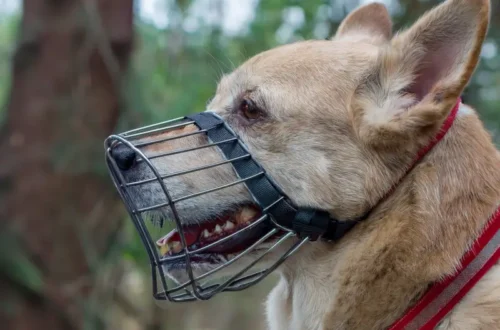
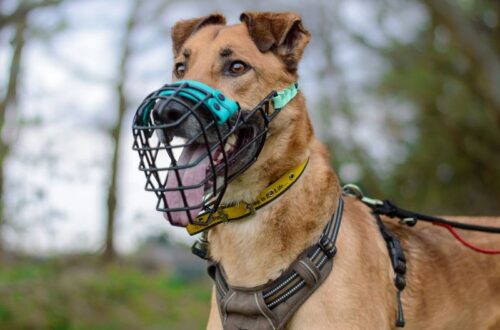
Modern muzzles, especially basket muzzles, are very comfortable and safe for dogs. They let your Greyhound pant, drink, eat treats, and breathe easily. Once your dog is used to it, they often hardly notice the muzzle at all.
A muzzle is only cruel if it fits badly or is the wrong kind for your dog. The muzzle itself is not cruel.
When You Might Not Need a Muzzle
Greyhounds That Are Well-Socialized and Calm
Some Greyhounds, with good training and socialization, may not need a muzzle in safe, low-risk situations. For example, if your Greyhound has been carefully tested with small pets and never shows prey drive, they might be safe without a muzzle in a fenced private area.
Situations Where Muzzling Is Not Required
- Inside the home
- In your securely fenced yard
- During relaxed family time with no other animals
- After careful evaluation and professional advice
Still, even if you don’t use a muzzle often, your Greyhound should stay comfortable wearing one for those times when it is needed.
Conclusion
Muzzling is an important part of being a responsible Greyhound owner. It keeps your dog, other animals, and people safe, and helps you feel more confident when you go out together. With the right muzzle, good training, and a patient attitude, wearing a muzzle can become a normal and easy part of your Greyhound’s life—not a problem or a hassle.
If you are patient, watch your dog closely, and always think about safety, your Greyhound will be happy and safe in their new home and anywhere you go together.