Dog Safety & Behavior
Muzzles have a reputation problem. Many people still see them as a last resort for “dangerous” dogs, so when something scary happens – a snap at the vet, a lunge on a walk – owners panic, jump online, and buy the first muzzle that looks small and harmless. Unfortunately, that’s often the exact type of muzzle that is uncomfortable, unsafe, or completely wrong for their dog.
Used correctly, muzzles are not cruel at all. They’re simply safety tools that let dogs and humans move through the world more safely while you work on training and behavior. The real issue is that most owners don’t understand the different types of muzzles for dogs, what each one is designed for, and how much the wrong choice can backfire.
In this guide, we’ll break down the main types of dog muzzles, what most owners get wrong before buying one, and how to match the right style to your dog’s breed, lifestyle, and level of bite risk.
Basket vs Soft Muzzles: The Big Divide Most Owners Miss
Before you dive into materials and brand names, you need to understand the two big families of muzzles: basket muzzles and soft or “sleeve” muzzles. If you mix these up, it almost guarantees you’ll buy the wrong thing.
Basket Muzzles: The Gold Standard Most Owners Overlook
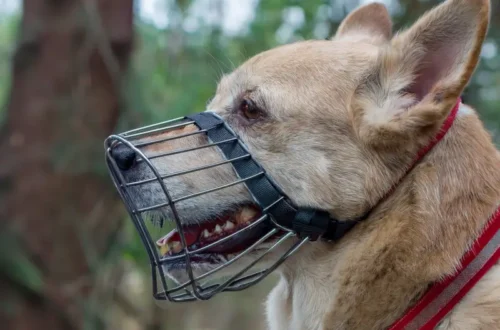
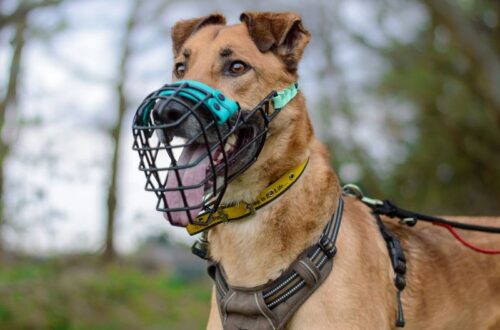
A basket muzzle looks exactly like it sounds – a structured “cage” that fits around your dog’s mouth. It can be made from metal, hard plastic, rubber, leather, or biothane, but the basic idea is the same: the muzzle stands off the face and creates a roomy shell around the nose and mouth.
Because of this structure, a good basket muzzle lets your dog:
- Open their mouth fully to pant and cool down.
- Drink water and often eat small treats.
- Yawn, sniff, and communicate more naturally with body language.
At the same time, a properly fitted basket muzzle prevents your dog from delivering a full bite. Teeth might touch treats, but not human skin. This combination – solid bite prevention plus panting and drinking – is why most trainers and veterinarians consider basket muzzles the safest choice for everyday use, walks, and training.
Soft / Sleeve Muzzles: Useful, but Over‑Used
Soft muzzles, often called sleeve or grooming muzzles, are usually made from nylon, mesh, or another fabric that wraps all the way around the dog’s snout and often keeps the mouth mostly closed. You’ll see a lot of vets and groomers use them for quick procedures like nail trims or blood draws.
In that narrow context, a soft muzzle can be okay: it’s on for a few minutes, in a controlled environment, with professionals watching. The problem starts when owners buy these same muzzles for general walking, training, or outdoor use because they’re cheap, small, and look less “scary” than a basket muzzle.
Soft muzzles have serious downsides:
- They restrict panting, which dogs need for cooling and stress relief.
- They usually don’t allow safe drinking or treat‑feeding.
- They can cause panic and distress, especially if thrown on a dog suddenly.
That’s why behavior professionals repeat the same rule: soft muzzles are for short, supervised procedures – not for walks, runs, or anything involving exercise or heat.
The Main Types of Muzzles for Dogs (And What They’re Really For)
Once you understand basket vs soft, it’s time to zoom in on specific muzzle types. Each has its own strengths and weaknesses, and the right choice depends on your dog’s bite risk, jaw strength, and daily life.
1. Wire Basket Muzzles
Wire basket muzzles are what many people picture on police or military dogs. They’re made from metal wire formed into a cage that surrounds the dog’s muzzle and is usually padded at key contact points.
Why they’re popular with pros:
- Very sturdy and hard to crush, ideal for strong jaws.
- Open design gives excellent airflow for full panting and drinking.
- Offer a high level of bite protection when fitted properly.
Wire muzzles are heavier than plastic or rubber and can get hot or cold with the weather, but they’re often the top choice for dogs with a serious bite history.
2. Plastic and Rubber Basket Muzzles
Plastic or rubber basket muzzles are widely recommended to everyday pet owners because they balance safety, comfort, and price.
Key benefits:
- Allow panting and drinking when sized correctly.
- Lighter and less visually intimidating than metal.
- Available in many sizes and shapes, often at budget‑friendly prices.
Choose a high‑quality, sturdy model; very cheap, thin plastic can crack or flex under pressure.
3. Leather Basket Muzzles
Leather basket muzzles use thick straps to create a cage or box around the muzzle, often seen on working dogs and protection breeds.
- Strong and durable when crafted properly.
- Softer contact than bare metal, with padding for comfort.
- Good airflow if built as a true basket.
Leather needs cleaning and conditioning, and poor‑quality designs can lack ventilation, but good leather muzzles can be both tough and comfortable.
4. Biothane Basket Muzzles (Modern Custom Option)
Biothane is a coated webbing that’s waterproof, strong, and easy to clean. Many high‑end muzzle makers use it to create custom basket designs.
- Highly customizable for exact head shape and size.
- Durable and bite‑resistant yet lighter than metal.
- Simple to clean and sanitize after messy walks.
They cost more and require accurate measurements, but for dogs that wear muzzles regularly, this can be the most comfortable long‑term option.
5. Vinyl or Plastic Cup & Box Muzzles
These solid “cup” or “box” muzzles fully enclose the muzzle in plastic or vinyl with ventilation holes.
- Offer extremely high bite prevention – teeth can’t easily reach skin.
- Some clear designs let you see facial expressions and stress signals.
They restrict airflow more than open baskets and can trap heat, so they’re best reserved for short, high‑risk procedures where absolute bite prevention is critical.
6. Soft / Nylon / Mesh Sleeve Muzzles
Soft muzzles wrap around the snout and usually keep the mouth nearly closed. They’re common in vet clinics and grooming salons for quick handling.
- Inexpensive and quick to put on.
- Useful for very short, supervised procedures.
Because they restrict panting and drinking, they should not be used for walks, outdoor exercise, or long durations.
7. Special Designs for Short‑Snout Dogs
Brachycephalic breeds (like pugs and French bulldogs) need muzzles designed specifically for short snouts that keep nostrils completely clear.
Look for short‑snout or brachycephalic‑labeled designs, with maximum ventilation and no pressure on the nose or eyes.
What Most Owners Get Wrong Before Buying a Muzzle
Now that you’ve seen the main types, it’s easier to understand the mistakes people make – and why they cause so many problems.
Mistake #1: Using a Soft Sleeve Muzzle for Walks
By far the most common mistake is buying a cheap nylon muzzle and using it for walks, hikes, or everyday training. Owners often choose these because they’re inexpensive, small, and look less intimidating.
The harsh truth: if your dog is walking or exposed to heat while wearing a muzzle that keeps their mouth closed, you’re restricting their ability to cool themselves and increasing the risk of heatstroke and panic.
Mistake #2: Assuming All Basket Muzzles Are Equal
Some baskets have poor ventilation, sit too close to the lips or nose, or have gaps so large that a dog can still deliver a pinch bite. Others use thin plastic that cracks or rubs painfully.
Two muzzles may look similar in a thumbnail image, but their behavior and comfort in real life can be completely different.
Mistake #3: Ignoring Fit and Size Charts
Choosing by breed name or weight alone is a recipe for a bad fit. Dogs of the same breed can have very different head shapes, and brands size their muzzles differently. Measuring your dog is not optional if you want safety and comfort.
Mistake #4: Expecting the Muzzle to “Fix” Aggression
A muzzle prevents bites; it doesn’t change how your dog feels. If you keep pushing your dog into situations they can’t handle just because they’re muzzled, you may worsen their behavior and risk a serious incident if the muzzle fails or is removed.
Mistake #5: Skipping Muzzle Training Completely
When the first time your dog sees a muzzle is right before a scary vet visit or during a meltdown on a walk, they quickly learn to associate it with panic and restraint. That’s how muzzle aversion starts – and it can be hard to undo.
Matching Muzzle Type to Real‑World Scenarios
Instead of asking “What’s the best muzzle?” in general, it’s more useful to ask “What’s the best muzzle for this dog in this situation?”
High Bite‑Risk Dogs
Dogs with a history of serious bites need maximum safety.
- Choose: metal, leather, or high‑quality biothane basket muzzle.
- Prioritize: strength, secure straps, room to pant fully.
Reactive Dogs on Walks
Dogs that lunge or snap at triggers but haven’t delivered deep bites.
- Choose: sturdy plastic, rubber, or biothane basket muzzle.
- Prioritize: ventilation and treat‑friendly design for training.
Vet Visits & Grooming
Dogs that panic when handled by strangers.
- Choose: soft/sleeve or cup muzzle for brief procedures, or a pre‑trained basket muzzle.
- Prioritize: safety plus fast on/off under supervision.
Scavengers & Food Vacuums
Dogs who hoover up trash, dead animals, or dangerous items.
- Choose: basket or box muzzle with smaller gaps.
- Prioritize: blocking access to the ground while allowing panting.
Travel & Legal Requirements
Dogs that must be muzzled on public transport or by law.
- Choose: comfortable basket muzzle for longer wear.
- Prioritize: panting, drinking, and regulations compliance.
How to Measure and Fit Any Muzzle Correctly
No matter which type you choose, fit can make or break your success. A well‑designed muzzle that fits poorly can be just as unsafe as a bad design.
Step 1: Take Accurate Measurements
Use a soft tape measure or a piece of string and a ruler to record:
- Snout circumference at the widest point (just below the eyes).
- Snout length from the tip of the nose to a point below the eyes.
- Head or neck circumference where the straps will sit, usually just behind the ears.
Step 2: Use the Brand’s Size Chart
Never assume sizes are standardized. Compare your measurements to that brand’s chart and read any fit notes carefully. If you’re between sizes, many manufacturers suggest sizing up slightly and tightening straps, as long as the muzzle can’t be pulled off.
Step 3: Check for a Good Fit
Once the muzzle arrives, check that:
- Your dog can pant and, ideally, take treats (for basket types).
- No strap digs into eyes, ears, lips, or throat.
- The muzzle doesn’t easily rotate or slide off when your dog moves.
How to Muzzle Train Your Dog So They Don’t Hate It
A well‑fitted muzzle is only half the story. The other half is teaching your dog that the muzzle is safe, comfortable, and even rewarding.
Stage 1: Introduce the Muzzle as a Treat Dispenser
Hold the muzzle in one hand and drop treats inside. Let your dog choose to put their nose in to get the food, then pull back out. No straps yet. Repeat until they eagerly push their nose into the muzzle on sight.
Stage 2: Add Short Strap Closures
When your dog is happy putting their nose in, gently fasten the straps for one or two seconds while feeding a treat. Then unclip and remove the muzzle. Gradually build up the duration over several sessions.
Stage 3: Move Around Together
Once your dog can wear the muzzle for a minute or two, start walking around the house or yard. Toss treats, practice simple cues, and let them sniff so they learn that life continues as normal with the muzzle on.
Stage 4: Use the Muzzle in Real Life
Begin in low‑stress settings: quiet walks, calm vet car‑park visits, easy training sessions. Only later should you add more challenging environments. If your dog panics or shuts down, step back to an easier stage.
Quick FAQ About Types of Muzzles for Dogs
Are basket muzzles cruel?
No. When fitted and introduced correctly, basket muzzles are more humane than tight soft muzzles because they allow normal panting, drinking, and treat‑taking.
Which type of muzzle is best for aggressive dogs?
For true bite‑risk dogs, a strong basket muzzle – usually metal, leather, or high‑quality biothane – is typically the safest choice, as long as it allows full panting and fits securely.
Can my dog wear a muzzle all day?
No. Even excellent muzzles should only be used under supervision and for reasonable periods. Long‑term wear can cause pressure sores and stress.
What type of muzzle is best for short‑nosed dogs?
Short‑snout dogs need muzzles designed specifically for brachycephalic breeds that keep nostrils clear and prioritize airflow. Never force a long‑snout design onto a flat‑faced dog.
Should every dog be muzzle trained?
Many trainers and vets recommend muzzle training for all dogs. Emergencies, injuries, and vet procedures happen, and a dog that’s already comfortable in a muzzle is much safer and easier to handle when stress is high.
Conclusion: The Right Muzzle Is a Kindness, Not a Punishment
The biggest mistake owners make is not “using a muzzle” – it’s choosing the wrong type, fitting it badly, and skipping training. That’s when muzzles become scary and uncomfortable for dogs, and when they earn an unfair reputation.
When you understand the different types of muzzles for dogs, you can make a better choice for your own dog: basket vs sleeve, metal vs plastic vs biothane, open vs cup, off‑the‑shelf vs custom. With accurate measurements and positive training, the muzzle becomes just another piece of gear – like a harness or leash – that keeps everyone safe.
In the end, the right muzzle isn’t about hiding a “bad dog.” It’s about being a responsible, forward‑thinking owner who values safety, training, and comfort. Get the type right, get the fit right, and train it right, and a muzzle becomes one of the most empowering tools you can have for a safer, calmer life together.