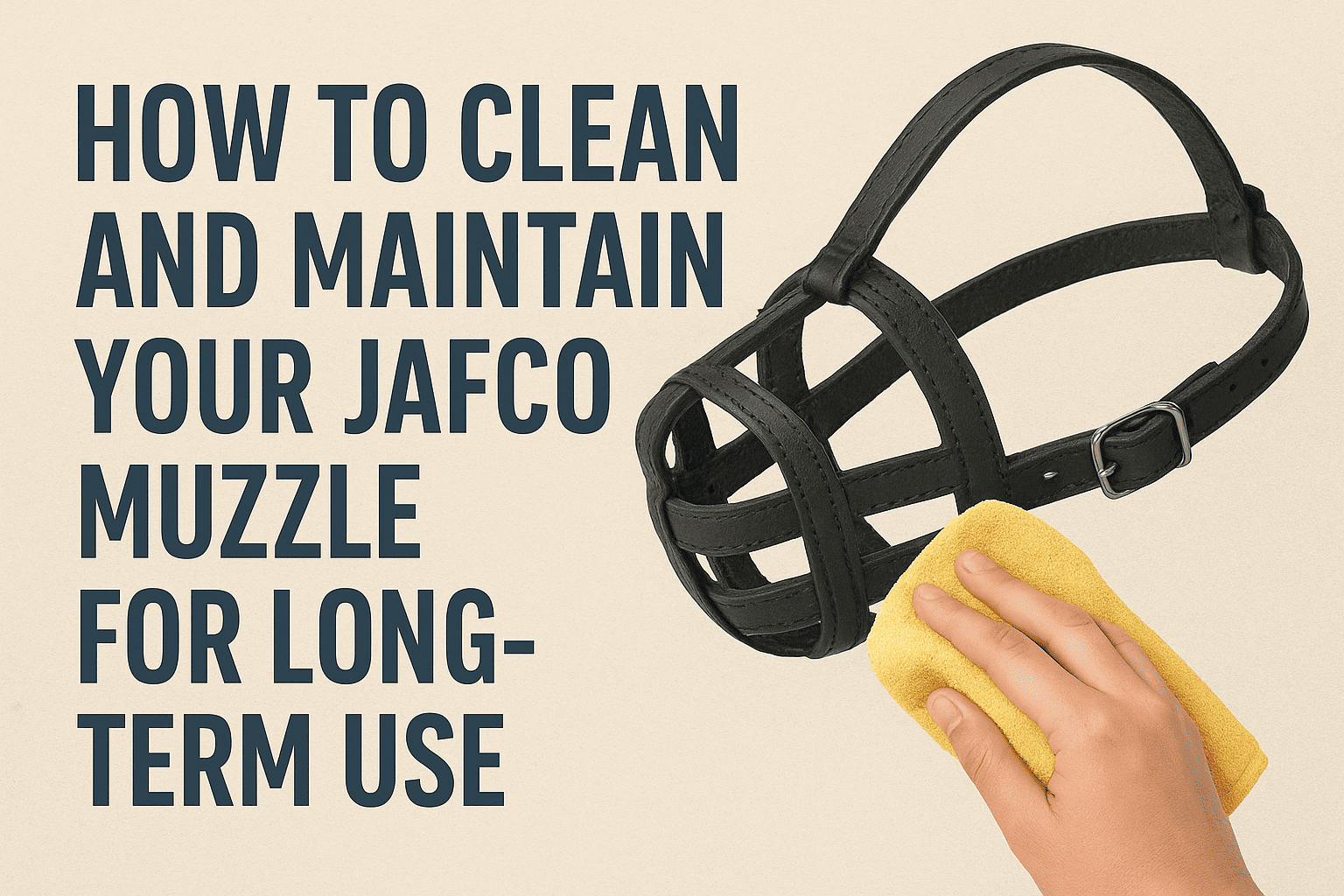
Introduction
As a responsible dog owner, you know that using a muzzle is sometimes necessary—like during training, trips to the vet, or walks in public. Jafco is a well-known brand trusted for making muzzles that are lightweight, strong, and comfortable. Many dog owners choose Jafco muzzles for their reliable fit and safety. However, like any pet gear, Jafco muzzles require regular cleaning to function optimally and last longer.
Cleaning and caring for your Jafco muzzle helps it last longer and ensures it works well whenever you need it. No matter how often you use the muzzle, keeping it clean is important for your dog’s safety and health.
This guide will show you the easiest ways to clean and care for your Jafco muzzle. By following these steps, you’ll keep the muzzle comfortable, safe, and ready to use for a long time. Let’s get started!
Understanding Your Jafco Muzzle
Before you start cleaning, take a moment to examine how your Jafco muzzle is constructed. Knowing the materials will help you pick the best way to clean it and prevent any damage.
Materials Used
Jafco muzzles are primarily made from:
- Medical-grade plastic or vinyl: This forms the main part of the muzzle. It’s strong, light, and clear so you can easily see your dog’s mouth and expressions.
- Nylon or leather straps: These straps keep the muzzle in place around your dog’s head. Some models use nylon, others use leather, and some use both for extra security.
- Optional bite guard insert: Some Jafco muzzles feature a removable bite guard for added safety, providing an even more secure fit in certain situations.
These materials are strong, but like any equipment, they can wear out if proper care is not taken.
Key Features
Knowing the main parts of your Jafco muzzle helps you spot where to clean and what to check for damage:
- Ventilation holes: These allow air to flow through for your dog’s comfort, but can catch dirt or saliva and require regular cleaning.
- Transparent body: This clear part lets you easily check on your dog, but it can show smudges and grime, so wipe it clean often.
- Adjustable straps: These straps help ensure a good fit, but may gather dirt or wear out over time, so inspect and clean them regularly.
- Removable parts: Some bite guards and straps can be taken off, making it easier to clean all the parts thoroughly.
When you know what your muzzle is made of and how it’s put together, you can clean and care for it safely, without harming any parts.
How Often Should You Clean Your Jafco Muzzle?
Keeping your Jafco muzzle clean is just as important as using it properly. No matter how you use the muzzle—on walks, for training, vet visits, or in new places—regular cleaning keeps it safe, fresh, and comfortable for your dog.
How often you clean the muzzle depends on how much your dog wears it, the activities they participate in, and their habits. Some dogs drool excessively, some wear their muzzles longer, and others get them dirty quickly. All these things affect how often you need to clean it.
Let’s examine how to clean the muzzle daily, how to perform a deep clean, and when to clean it immediately.
1. Daily or After-Use Cleaning: Quick Wipe-Downs
If your dog wears their Jafco muzzle often, even for short trips or training, it’s smart to give it a quick clean after each use. This can be simple and only takes a minute.
After each use:
- Wipe the whole muzzle with a damp cloth, paying extra attention to the spots that touched your dog’s mouth and nose.
- You can also use pet-safe wipes or a cloth with mild soapy water to clean the muzzle.
- Make sure to wipe the inside of the muzzle, as saliva, crumbs, or dirt can build up there.
- Remember to clean the ventilation holes, as dirt and saliva can become trapped there and are often easy to miss.
- If your muzzle has fabric or leather straps, wipe them down too. Straps can soak up sweat and oils from your dog’s skin.
Quick cleanings prevent dirt and bacteria from accumulating, keeping your dog’s nose and mouth healthy and free from irritation. They also keep the muzzle looking and smelling fresh, which is nice if you store it inside or in your car.
2. Weekly or Bi-Weekly Deep Cleaning: A Thorough Refresh
Even if you wipe the muzzle every day, you still need to do a deeper clean to fully sanitize it and help it last longer. Deep cleaning removes dirt and germs that daily cleaning can miss—especially anything stuck in small spaces or soaked into the straps.
If your dog uses the muzzle regularly, deep clean it at least once a week. If it’s only used occasionally, every two weeks is sufficient. Don’t wait too long between deep cleans to keep the muzzle safe and fresh.
Here’s what deep cleaning typically includes:
- Remove any removable parts, such as bite guards or straps.
- Soak the plastic part in warm, soapy water. Use mild dish soap for best results.
- Use a soft brush or toothbrush to gently scrub the inside of the muzzle. Pay close attention to the ventilation holes and where the straps attach.
- Clean the straps separately, using the right method for the material (nylon or leather).
- Rinse every part thoroughly to remove all soap residue.
- Let all parts dry completely before reassembling the muzzle or storing it.
Deep cleaning not only keeps the muzzle clean but also allows you to identify early signs of damage—such as cracks or fraying straps—before they compromise safety or fit.
3. Situations That Require Immediate Cleaning
Sometimes, you need to clean the muzzle immediately, regardless of when you last washed it. Skipping these cleanings can lead to hygiene issues or damage the muzzle over time.
You should always clean your Jafco muzzle right away if:
- Your dog wore it while sick (for example, with kennel cough or another illness that can spread)
- The muzzle was exposed to mud, sand, feces, or anything dirty.
- Your dog ate food or treats while wearing the muzzle.
- The muzzle was used during rough play, heavy drooling, or lots of panting.
- The muzzle was shared between dogs (this isn’t recommended, but if it happens, be sure to clean it well)
- The muzzle was dropped on the ground or any dirty surface.
In any of these situations, a deep clean will eliminate germs and allergens, helping the muzzle stay strong and safe for your dog.
Why Consistent Cleaning Matters
Cleaning your Jafco muzzle regularly isn’t just for hygiene—it also protects your investment. Jafco muzzles are strong and long-lasting, but they can wear out more quickly if not properly cared for. Sweat, saliva, dirt, and bacteria can slowly break down the material, especially around the joints, straps, and bite guard.
A dirty muzzle can also be uncomfortable or even unsafe for your dog. Dirt or moisture trapped inside can cause skin problems, bad smells, or infections around your dog’s nose and mouth. Clean gear is safe gear.
Summary: Cleaning Frequency Guidelines
| Usage Type | Cleaning Frequency |
| Daily use (walks, training) | Quick wipe after each use; deep clean weekly |
| Occasional use (monthly or less) | Deep clean before and after each use |
| Exposure to dirt, illness, or food | Immediate deep clean |
| Shared between dogs | Immediate thorough cleaning between uses |
Step-by-Step Guide: Cleaning Your Jafco Muzzle
Now that you know how often to clean your Jafco muzzle, let’s go over how to do it the right way. Even though these muzzles are made from tough, medical-grade materials, it’s important to clean them gently and carefully. This will help protect the plastic body and adjustable straps from damage.
A. What You’ll Need
Before you start, gather the following cleaning materials:
- Mild dish soap (unscented and non-toxic is best)
- Warm water
- Soft sponge or cloth
- Soft-bristled brush or toothbrush (for getting into small crevices)
- Clean towel (for drying)
- Optional: Pet-safe disinfectant spray or a white vinegar solution (for extra sanitization)
Avoid harsh cleaners, such as bleach, ammonia, or strong antibacterial sprays. These can degrade the muzzle material and irritate your dog’s skin.
B. Quick Cleaning – After Daily Use
For everyday maintenance, this light cleaning process keeps your muzzle fresh:
- Rinse with warm water.
Gently rinse the entire muzzle to remove surface dirt, hair, or saliva. - Wipe with mild soap and a cloth.
Wipe the inside and outside of the muzzle with a damp cloth or sponge and a little mild dish soap. Pay special attention to:- The inside surface (where your dog’s snout rests)
- Ventilation holes
- Bite guard (if your model has one)
- Rinse thoroughly
Rinse the muzzle with clean water until all the soap is gone. Any leftover soap can irritate your dog’s skin. - Dry completely
Dry the muzzle with a clean towel, then let it air dry completely before you store or use it again.
C. Deep Cleaning – Weekly or As Needed
Deep clean the muzzle if it’s very dirty, after your dog has been sick, or as part of your weekly cleaning routine.
- Disassemble the muzzle
If your Jafco muzzle has straps or a bite guard you can remove, take them off before cleaning. Wash each part on its own. - Soak in soapy water
Fill a basin or sink with warm water and add a little mild dish soap. Soak only the plastic part of the muzzle (not any leather) for 5–10 minutes. - Scrub gently
Use a soft-bristled brush or toothbrush to clean all parts, paying extra attention to:- Crevices and tight corners
- Ventilation holes
- Underneath any strap attachment points
This helps remove stubborn grime or dried saliva.
- Clean the straps
- Nylon straps: Wash with soap and water, scrubbing lightly with a brush or sponge.
- Leather straps: Wipe with a damp cloth only—do not soak. Use a leather conditioner afterward if needed to prevent cracking.
- Disinfect (optional)
After rinsing, spray the muzzle with a pet-safe disinfectant or a half-and-half mix of white vinegar and water. Let it sit for a few minutes, then rinse well to remove any residue. - Dry completely before reassembly.
Dry each part with a towel, then let everything air dry in a well-ventilated place. Keep the muzzle out of direct sunlight or heat, as this can damage the material.
Never put the muzzle away or use it while it’s still damp. Moisture can cause mold, bad smells, and make your dog uncomfortable.
D. Storage Tips After Cleaning
After your Jafco muzzle is clean and completely dry, store it in a way that keeps it in good shape:
- Keep it in a cool, dry place.
- Store it out of direct sunlight to prevent warping or fading.
- If you don’t use the muzzle often, store it in a sealed container or bag to keep it clean and protected from dust and dirt.
No matter if you’re doing a quick wipe after a walk or a deep clean at the end of the week, regular cleaning keeps your Jafco muzzle in great shape. This helps your dog stay safe, comfortable, and healthy—and lets you get the most value from your muzzle.
Disinfecting Tips for Your Jafco Muzzle
Regular cleaning removes dirt that is visible, but disinfecting is essential for killing germs—such as bacteria, viruses, and fungi—that may remain on the muzzle and could harm your dog. You don’t need to disinfect after every use, but in certain situations, it’s a crucial step in keeping your dog safe.
1. When Should You Disinfect Your Muzzle?
You don’t need to disinfect the muzzle daily, especially if your dog is healthy and only wears it for short times. But be sure to disinfect in these situations:
- After your dog has been sick
If your dog has been sick with kennel cough, a skin infection, or mouth problems, germs can stay on the muzzle even after your dog is better. - If the muzzle is shared between dogs
It’s best not to share muzzles between pets, but if you do, always disinfect them after each use to prevent the spread of germs. - Following exposure to contaminated environments
If your dog wears the muzzle at places like dog parks, vet clinics, boarding kennels, or anywhere that might not be clean, disinfect it afterward to be safe. - If the muzzle comes into contact with bodily fluids
If the muzzle comes into contact with blood, vomit, or excessive drool, clean it thoroughly and then disinfect it. These fluids can carry harmful germs. - During routine deep cleaning (optional)
Even if nothing obvious has happened, it’s a good idea to disinfect the muzzle every few weeks if your dog uses it frequently.
2. What Disinfectants Are Safe to Use?
To disinfect your Jafco muzzle safely, pick products that won’t harm your dog or damage the muzzle’s materials.
Here are some recommended options:
Pet-safe disinfectant sprays
- Specifically formulated for use on pet gear
- Non-toxic and residue-free
- Available at most pet stores or online
Diluted white vinegar solution
- Mix 1 part white vinegar with 1 part water.
- Naturally antibacterial and safe when rinsed well.
- Inexpensive and easy to make at home
Diluted hydrogen peroxide (3%)
- Mix with equal parts water.
- Effective for killing bacteria
- Should be rinsed thoroughly after application to avoid residue
Avoid:
- Bleach
- Alcohol-based cleaners
- Scented or antibacterial household sprays (like Lysol)
These can damage the muzzle material and irritate your dog’s skin or nose.
3. How to Disinfect Your Jafco Muzzle
Here’s a safe and effective method for disinfecting your muzzle:
- Clean first
Always start by washing the muzzle with warm, soapy water to remove dirt and debris. Disinfecting a dirty surface is ineffective. - Apply disinfectant
Spray the disinfectant generously on all surfaces, both inside and outside, as well as on the straps. Ensure that you coat the ventilation holes and the bite guard area (if applicable). - Let it sit
Allow the disinfectant to sit for at least 5–10 minutes, or as directed on the product label. This gives it time to kill bacteria and viruses. - Rinse thoroughly
Rinse the muzzle under warm water to remove any chemical residue, especially if you’re using vinegar or hydrogen peroxide. - Dry completely
Towel dry and then air dry in a clean, well-ventilated area. Ensure it’s 100% dry before reassembling or storing.
4. Disinfecting the Straps
- For nylon straps, wipe them with your chosen disinfectant, then rinse thoroughly.
- For leather straps, don’t soak them. Instead, use a cloth lightly dampened with disinfectant to wipe them. Afterward, apply leather conditioner if needed to keep the leather soft.
You don’t always have to disinfect your Jafco muzzle, but it’s a smart way to keep your dog safe—especially if you have more than one dog or visit places with lots of other animals. Disinfecting only takes a few extra minutes and helps protect your dog’s health in the long run.
Maintenance Tips for Long-Term Use
Cleaning and disinfecting your Jafco muzzle is just the beginning. To keep your dog safe, comfortable, and working well, add a few simple maintenance habits to your routine. Small steps like these can help your muzzle last much longer and catch problems early.
Here are some easy, important tips to keep your Jafco muzzle in top shape for months—or even years—of use.
1. Inspect Regularly for Signs of Wear and Tear
Before and after each use, take a few seconds to inspect the muzzle for any damage. Look for:
- Cracks or splits in the plastic body.
Over time, small cracks—known as stress fractures—can appear on the muzzle, particularly around the nose or where the straps connect. These weak spots can make the muzzle less safe for your dog. - Frayed or loose stitching on straps
If the nylon or leather straps start to fray, unravel, or stretch, they might not keep the muzzle secure on your dog. - Broken buckles or fasteners
A faulty clasp or damaged buckle can result in an insecure fit or a potential escape. - Warping or misshaping
If the muzzle gets too hot or isn’t stored correctly, it can lose its shape. This makes it less comfortable and less effective for your dog.
If you notice any of these problems, repair or replace the damaged parts before reattaching the muzzle to your dog.
2. Store It Properly Between Uses
How you store your muzzle makes a big difference in how long it lasts. Here are some simple storage tips:
- Keep it in a cool, dry place.
Avoid leaving it in direct sunlight, in a hot car, or near heaters. High temperatures can warp plastic and dry out leather. - Allow full airflow
If stored while even slightly damp, mold or mildew may develop. Ensure the muzzle is completely dry before storing it away. - Use a dedicated storage pouch or box.
This is especially helpful if you carry the muzzle often for things like training or vet visits. Storing it in its own pouch or box keeps it clean and protects it from getting damaged by other items.
3. Avoid Harsh Chemicals and Rough Handling
Although Jafco muzzles are durable, they’re not indestructible. The materials can degrade if exposed to:
- Bleach, alcohol, or harsh disinfectants
- Abrasive scrubbers or steel wool
- High heat sources (dishwasher, boiling water, direct flame)
Always use gentle, dog-safe cleaning products and soft tools. This helps keep the muzzle’s materials soft, flexible, and safe for your dog.
4. Replace Worn Parts When Needed
Jafco muzzles are designed with replaceable parts, including:
- Straps
- Bite guards
- Buckles and adjustment hardware
If a strap wears out, you don’t need to buy a whole new muzzle. See if you can get replacement parts from the manufacturer or a pet store. This saves money and helps your muzzle last longer.
5. Keep a Backup Muzzle (If Used Frequently)
If your dog wears a muzzle every day or has special behavior needs, it’s a good idea to keep a second (backup) muzzle. This way:
- You always have a muzzle to use while the other one is drying or being cleaned.
- You have a backup ready if one gets lost or damaged.
- You can switch between muzzles, so each one lasts longer.
It’s just like having a spare leash or collar on hand—always good to have one, just in case.
6. Monitor Fit Over Time
As your dog grows, gains or loses weight, or their behavior changes, the muzzle’s fit can change too. Check regularly to make sure the fit is still:
- Secure—it can’t be pawed off or slip off accidentally.
- Comfortable—it doesn’t rub or pinch anywhere.
- Well-positioned—it sits evenly on your dog’s snout without digging in.
If the muzzle no longer fits correctly, it may be time to adjust the straps, change the size, or consider upgrading to a new model.
Summary: Long-Term Care Essentials
| Maintenance Task | How Often? |
| Inspect for damage | Before and after each use |
| Store in a cool, dry place | Always |
| Clean with gentle products | Weekly or as needed |
| Replace worn parts | As needed |
| Check fit and comfort | Monthly or with behavior/weight changes |
By following these long-term care tips, your Jafco muzzle will stay reliable, safe, and comfortable for your dog. Taking a few simple steps now makes a big difference for your dog’s comfort—and gives you peace of mind.
Common Mistakes to Avoid When Cleaning and Maintaining Your Jafco Muzzle
Even with good intentions, it’s easy to develop habits that might harm your Jafco muzzle or make it less effective. Rushing through cleaning or using the wrong products can shorten the muzzle’s life or make it unsafe for your dog.
Here are some common mistakes dog owners make—and what to do instead—to keep your Jafco muzzle in top shape.
1. Soaking Leather Straps in Water
Mistake:
Many Jafco muzzles have leather straps, but some people accidentally soak them with the plastic part during deep cleaning. This can make the leather dry out, crack, or lose its flexibility over time.
Why It’s a Problem:
Water can damage untreated leather, and leaving it wet for too long can cause mold, weaken the leather, or make it stiff and hard.
What to Do Instead:
- Wipe leather straps clean with a damp cloth.
- Avoid soaking.
- If needed, use a leather-safe cleaner, then apply leather conditioner to keep the straps soft and flexible.
2. Using Harsh or Chemical-Based Cleaners
Mistake:
Using strong cleaners like bleach, ammonia, or alcohol-based disinfectants to “sanitize” the muzzle.
Why It’s a Problem:
These chemicals can damage the plastic and straps, leave residue that may irritate your dog’s skin, or release fumes that are harmful for your dog to breathe in.
What to Do Instead:
- Use mild dish soap, pet-safe disinfectant spray, or diluted white vinegar for safe and effective cleaning.
- Always rinse thoroughly after disinfecting.
3. Not Letting the Muzzle Dry Completely
Mistake:
Putting the muzzle away—or putting it back on your dog—before it’s completely dry.
Why It’s a Problem:
If moisture stays in the muzzle, it can cause mildew, bacteria buildup, or irritate your dog’s snout.
What to Do Instead:
- After cleaning, towel-dry the muzzle and let it air-dry completely in a well-ventilated area.
- Never store the muzzle in a sealed container until it is fully dry.
4. Ignoring Small Cracks or Damage
Mistake:
Brushing off tiny cracks, fraying straps, or loose stitching as “not a big deal.”
Why It’s a Problem:
Even small cracks or weak spots can make the muzzle unsafe. A damaged area might break under pressure or allow your dog to unexpectedly remove the muzzle.
What to Do Instead:
- Check your muzzle regularly and address any signs of wear immediately.
- Replace straps, bite guards, or the whole muzzle if needed.
5. Storing the Muzzle in Hot or Humid Environments
Mistake:
Leaving the muzzle in your car, next to a heater, or in a damp area.
Why It’s a Problem:
Heat can warp the plastic and weaken the muzzle. Humidity can cause mold and mildew, especially on leather parts.
What to Do Instead:
- Store the muzzle in a cool, dry place, ideally in a breathable container or pouch.
- Keep it away from windows, heat vents, and bathrooms.
6. Over-tightening or Misadjusting the Straps
Mistake:
Thinking the muzzle should be as tight as possible to stop it from moving.
Why It’s a Problem:
If the muzzle is too tight, it can cause discomfort, stress, or skin problems. But if the straps are too loose, the muzzle can slip off, or your dog might remove it.
What to Do Instead:
- Adjust the muzzle so it’s snug but still comfortable.
- Your dog should be able to open their mouth a little and pant—unless you’re using a bite-guard model meant for feeding control.
7. Assuming One Muzzle Will Last Forever
Mistake:
Treating the muzzle as a permanent item without reevaluation.
Why It’s a Problem:
Even high-quality muzzles like Jafco’s will wear out over time. Your dog’s size, behavior, or training needs may also change.
What to Do Instead:
- Regularly check the muzzle’s condition and fit.
- Replace the muzzle or any parts if they’re no longer safe.
What to Avoid
| Don’t Do This | Do This Instead |
| Soak leather straps | Wipe and condition leather |
| Use harsh chemicals | Use pet-safe or natural cleaners |
| Store damp | Air dry completely before storing |
| Ignore damage | Inspect and replace when needed |
| Store in heat/humidity | Store in cool, dry places |
| Over-tighten straps | Ensure snug, comfortable fit |
| Use indefinitely | Replace as needed based on wear |
Spending a few extra minutes to clean and care for your Jafco muzzle can help you avoid costly replacements and, most importantly, keep your dog safe and comfortable. By avoiding common mistakes, you’ll ensure your muzzle stays reliable for training, safe handling, and responsible pet care.
When to Replace Your Jafco Muzzle
Even the best-maintained dog gear will eventually wear out. Jafco muzzles are made to last, but no muzzle lasts forever—especially if it’s used often. Knowing when to replace your Jafco muzzle is just as important as cleaning and caring for it.
In this section, you’ll learn the clear signs that it’s time for a new muzzle, and why using a worn-out one can put your dog’s safety and comfort at risk.
1. Visible Cracks or Breaks in the Plastic
What to look for:
- Hairline cracks in the muzzle body
- Chips or sharp edges around the ventilation holes
- Cracks near where the straps attach
Why it matters:
Even a small crack can quickly grow under stress—especially if your dog pulls, paws at the muzzle, or wears it for extended periods. Cracks weaken the structure and can cause the muzzle to break unexpectedly, posing a safety risk.
What to do:
If you see any visible damage to the muzzle, replace it right away. Using a damaged muzzle can cause injury or allow your dog to escape.
2. Warping or Misshaping
What to look for:
- The muzzle has lost its original shape.
- It doesn’t fit evenly on your dog’s snout.
- One side is bent or uneven.
Why it matters:
Warped plastic can cause a poor fit, making the muzzle uncomfortable or less effective. It may also make it easier for your dog to slip out of the muzzle.
What to do:
This usually occurs when the muzzle is exposed to heat, such as being left in a hot car. If the muzzle doesn’t fit properly because it’s become distorted, it’s time to replace it.
3. Strap Damage or Failure
What to look for:
- Frayed nylon or cracked leather
- Loose stitching or seams
- Buckles that don’t latch securely
- Straps that are stretched out or have lost their shape
Why it matters:
The straps are crucial for keeping the muzzle securely in place. If they’re weak or broken, the muzzle can shift, fall off, or stop working properly—especially if your dog tries to take it off.
What to do:
If only the straps are damaged, see if you can get replacement straps. If replacements aren’t available, it’s best to replace the whole muzzle.
4. Foul Odors That Won’t Go Away
What to look for:
- Persistent, unpleasant smell even after cleaning
- Mildew or mold smell in leather or strap crevices
Why it matters:
Strong odors usually mean there’s bacteria or mold buildup, especially if the muzzle hasn’t always dried completely. Sometimes, even a thorough cleaning won’t eliminate the smell.
What to do:
If odors remain after thorough cleaning and disinfecting, it’s safer to replace the muzzle. This helps prevent skin infections or breathing problems for your dog.
5. Your Dog Has Outgrown It or Changed Behavior
What to look for:
- The muzzle is too tight or too loose.
- Your dog is more resistant to wearing it than before
- Your dog’s behavior has changed (more reactivity, anxiety, or discomfort)
Why it matters:
Dogs can change in size, shape, or behavior over time. A muzzle that used to fit well might not be right anymore if your dog has gained or lost weight, gotten older, or developed new sensitivities.
What to do:
Check the muzzle’s fit regularly. If your dog seems more uncomfortable than usual, try a larger size, a different model, or ask a trainer for other options.
6. You’ve Reached the End of Its Practical Lifespan
What to look for:
- General wear from years of use
- Several small issues that add up
- You’ve already repaired or replaced parts multiple times.
Why it matters:
Even without major damage, numerous small wear and tear issues can impact the muzzle’s performance. If you’ve patched it up several times, it may no longer be reliable.
What to do:
If you’re second-guessing the integrity of the muzzle, it’s time to replace it for your dog’s safety and your peace of mind.
Quick Checklist: Is It Time for a Replacement?
| Problem | Replace? |
| Cracks or structural damage | Yes |
| Warped or distorted shape | Yes |
| Damaged or unsafe straps | Yes (or replace parts) |
| Lingering odor or mold | Yes |
| Poor fit due to size/behavior change | Yes |
| Old age and repeated use | Yes |
A muzzle is a safety tool, not just an accessory. If it’s damaged or worn out, it could put your dog or others at risk. That’s why it’s essential to regularly inspect your Jafco muzzle and replace it when necessary.
Conclusion
Proper care and maintenance of your Jafco muzzle is about more than just cleanliness—it’s key to your dog’s safety, comfort, and long-term well-being. Whether you use the muzzle every day or only for occasional vet visits or grooming, taking a few simple steps to clean, inspect, and store it properly will help it last longer and work better for your dog.