Dogs lick everything: their paws, wounds, blankets, and even your skin, and some of that is perfectly normal. But when licking becomes constant, it can delay healing, cause infections, and damage furniture or bedding, which is why many owners start looking for a safe dog muzzle for licking.
Modern veterinary advice is clear: you should never rely on licking to “clean” wounds, and you should not use a muzzle as a permanent fix. Instead, a well‑chosen basket muzzle is a short‑term safety tool that buys time while you and your vet address the underlying medical or behavioral cause.
Quick overview: tools that help stop harmful licking
Here’s how muzzles fit into the bigger picture of cones, bandages, and treatment when you need to protect your dog from excessive licking.
| Tool / type | Best for | How it helps with licking | Typical duration |
|---|---|---|---|
| Basket muzzle (open front) | Licking people, furniture, floors | Adds a barrier between tongue and target while allowing panting | Short, supervised sessions |
| Basket muzzle + front guard | Licking wounds, paws, bandages | Reduces tongue reach toward specific body parts | Short, supervised; post‑op use |
| Medical/recovery muzzle | Post‑surgery wound or stitch protection | Provides more coverage around mouth and nose | As prescribed by vet |
| Soft mesh/nylon muzzle | Very short procedures at vet | Strongly restricts mouth opening and licking | Minutes, under professional supervision |
| E‑collar (cone) | Preventing self‑licking anywhere on body | Blocks muzzle from reaching wounds and hot spots | Days–weeks, as directed by vet |
| Inflatable/soft collar | Mild to moderate self‑licking near shoulders | Makes reaching body harder but not impossible | Days–weeks, supervised |
| Medical & behavior treatment | All underlying causes | Reduces the drive to lick in the first place | Ongoing |
Why dogs lick—and when it’s a problem
Some licking is normal. Dogs groom themselves, explore tastes, and sometimes soothe small irritations by licking. But veterinary behavior experts point out that excessive licking is often a sign of an underlying medical or emotional issue that needs attention.
- Pain or irritation: wounds, hot spots, insect bites, joint pain, and skin infections all make dogs lick the affected area repeatedly.
- Allergies and dermatitis: environmental allergies and food sensitivities commonly show up as chronic paw and skin licking.
- Gastrointestinal issues: some studies link “excessive licking of surfaces” to nausea and GI disease, which improves when the gut problem is treated.
- Anxiety or compulsive behavior: stress, boredom, and conflict can drive repetitive licking that becomes a self‑soothing habit.
- Social licking: dogs may lick people’s skin or wounds as a social and exploratory behavior, but it is not medically helpful.
If licking is new, focused on one area, or intense enough to cause hair loss or sores, vets recommend a full exam to rule out infections, allergies, or pain before you rely on equipment like muzzles or cones.
For a clear veterinary overview of why dogs lick wounds and why it’s risky, you can see the American Kennel Club’s discussion on wound licking here: AKC: Should Dogs Lick Wounds?
Should dogs lick wounds to help them heal?
Old advice said dog saliva helps wounds heal, but modern veterinary sources say the risks outweigh any minor benefits. Licking can remove debris at first, yet constant licking actually irritates tissues, reopens healing edges, and can damage stitches.
Dog mouths naturally contain bacteria such as Pasteurella and Staphylococcus species, which can cause infections in both dogs and humans if they get into broken skin. Because of this, vets routinely recommend preventing dogs from licking surgical sites, hot spots, and open wounds using E‑collars, bandages, clothing, and sometimes muzzles as part of a plan.
PetMD offers an accessible, vet‑written summary of how to keep dogs from licking wounds and why it matters: PetMD: How to Keep Your Dog From Licking Their Wounds
When is a dog muzzle for licking appropriate?
Muzzles are best thought of as safety belts: they don’t fix the problem by themselves, but they reduce risk while you address the real cause. For licking, a muzzle can be appropriate when:
- Your dog is actively damaging a wound, bandage, or hot spot despite using a cone or bandage.
- Your dog compulsively licks people or surfaces, causing hygiene problems or property damage, while you work through medical and behavior treatment.
- You need short‑term protection during specific activities, such as bandage changes, rest periods, or supervised recovery.
It is not appropriate to use a muzzle as a long‑term replacement for vet care, allergy treatment, or behavior modification. It also should not be used overnight or while a dog is unsupervised.
Best muzzle types for licking
1. Basket muzzle with partial front coverage – best overall for licking
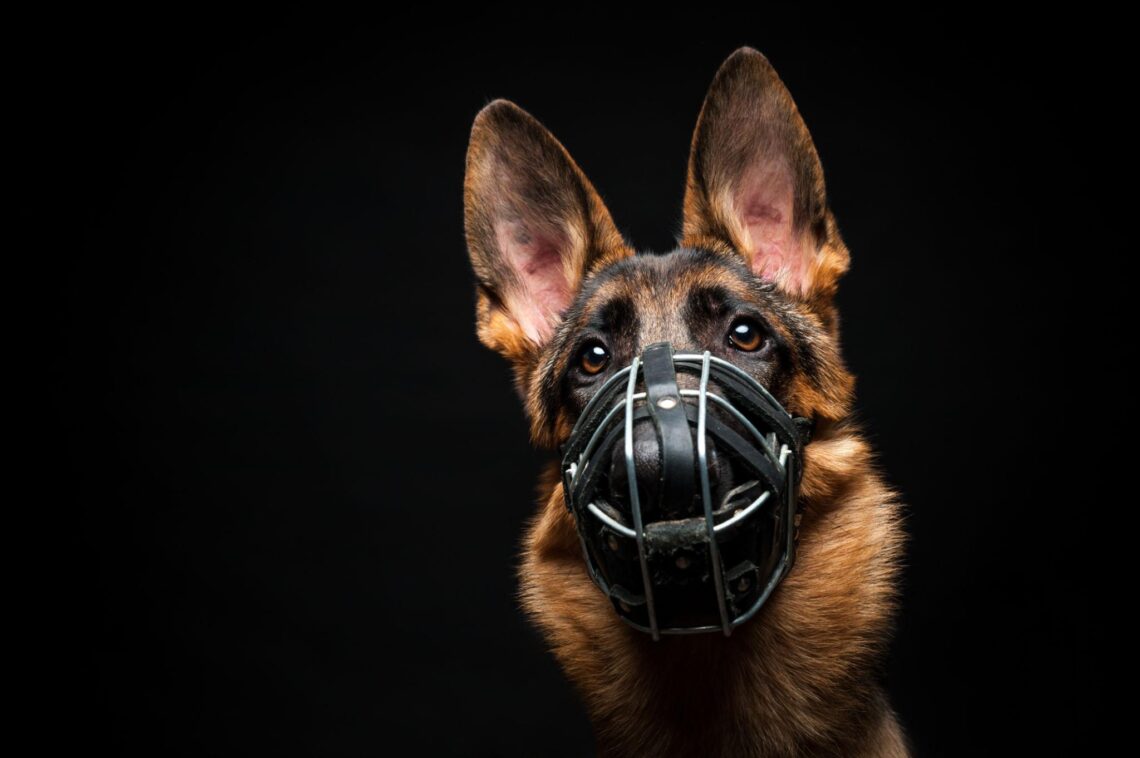
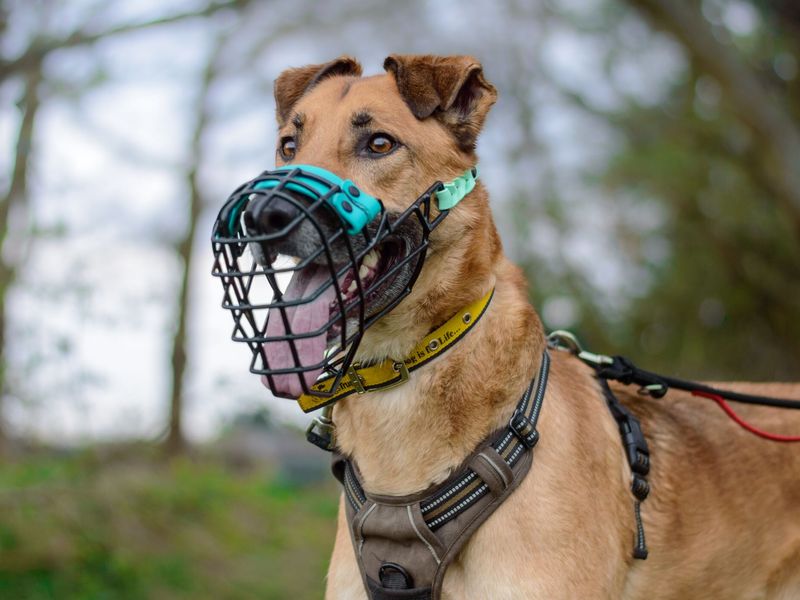
For many dogs, the safest and most effective “dog muzzle for licking” is a basket muzzle that allows panting and drinking but has either a tighter front pattern or an added guard over the nose. This design makes it much harder for the dog’s tongue to reach wounds, paws, or bandages while preserving airflow.
Pros
- Maintains panting and breathing, which is critical for safety.
- Can significantly cut down licking of paws, wounds, and bandages.
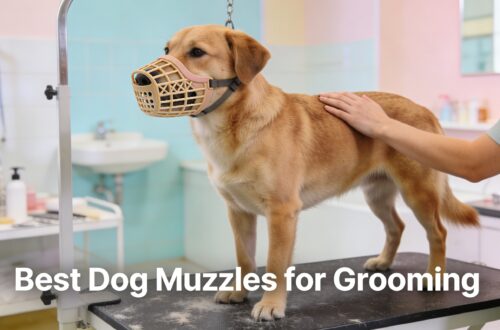
- Often doubles as a general safety muzzle for vet visits and grooming.
Cons
- Very determined dogs may still reach paws or low body parts.
- Bulkier than slim fabric muzzles and needs careful introduction.
2. Standard basket muzzle – for licking people and objects
If the main problem is licking people, furniture, or floors, a standard basket muzzle (without extra front coverage) usually provides enough of a barrier to interrupt the behavior. The basket keeps the mouth slightly away from surfaces, so repeated licking attempts become harder and easier to redirect into calmer behaviors.
Pros
- Versatile: can be used for grooming, walks, and vet visits as well as licking control.
- Allows most dogs to pant and take small treats when fitted correctly.
- Useful for training sessions aimed at reducing nuisance licking and jumping.
Cons
- May not fully prevent licking accessible body areas like paws.
- Some designs can still allow light licking if the dog is very persistent.
3. Soft mesh or nylon muzzle – only for brief procedures
Soft grooming or mesh muzzles wrap around the snout and strongly limit mouth opening. They can stop licking effectively, but they also restrict panting and should only be used for very short, fully supervised procedures such as quick bandage changes or injections at the vet.
Pros
- Blocks licking almost completely for a few minutes.
- Lightweight and simple for trained professionals to apply.
Cons
- Not safe for long wear because dogs cannot pant or drink normally.
- Unsuitable for walks, hot environments, or any unsupervised time.
4. Recovery‑style medical muzzles
Some products are designed specifically for post‑surgery or wound protection and may combine a basket structure with more coverage over the muzzle. These are sometimes used when a dog cannot tolerate a cone but still must not lick certain areas.
Because designs vary, they should be chosen and used according to your vet’s instructions on fit, duration, and supervision, not as generic “one size fits all” solutions.
Alternatives and complements to muzzles for licking
Muzzles are only one part of managing licking. Veterinary sources emphasize combining them with other tools and, most importantly, treating the reason your dog is licking in the first place.
- E‑collars and recovery collars: plastic cones and soft or inflatable collars physically block the mouth from reaching much of the body, which is especially valuable after surgery or for hot spots on the torso.
- Bandages, booties, and clothing: bandages and booties can protect paws and legs, while medical shirts or recovery suits cover large areas on the chest or abdomen.
- Medical treatment: allergy medications, medicated shampoos, pain relief, and GI therapies directly target the underlying itch, pain, or nausea that drives licking.
- Behavior modification: for anxiety or habit‑based licking, behavior plans focusing on enrichment, predictable routines, and sometimes medication work better than simply blocking access.
How to choose a safe dog muzzle for licking
Once your vet agrees a muzzle is appropriate, focus on these safety‑first criteria:
- Pick basket designs that allow panting: for anything longer than a brief procedure, choose a basket muzzle that lets your dog open their mouth, pant, and ideally drink, which is essential for temperature control and welfare.
- Measure for fit: measure snout length and circumference, follow the manufacturer’s size chart, and make sure the muzzle doesn’t press into the eyes or nose or twist sideways easily.
- Match the design to the licking: use more closed or guarded fronts if your dog is licking wounds or paws, and standard baskets if they mainly lick people or furniture.
- Choose appropriate materials: use stronger plastic, rubber, or wire for powerful dogs and softer silicone for smaller, sensitive dogs, as long as panting is still possible.
- Avoid long, unsupervised use: do not rely on a muzzle overnight or when you’re not watching; instead, ask your vet which cones, bandages, or clothing are safest to use when you’re asleep or away.
Introducing the muzzle so your dog accepts it
A muzzle is safest when your dog is comfortable wearing it. A slow, reward‑based introduction helps prevent fear and struggling.
- Turn the muzzle into a treat bowl: hold it out and drop treats inside so your dog voluntarily puts their nose in, then remove it before they feel trapped.
- Build duration without fastening: repeat until your dog calmly keeps their nose inside for several seconds at a time.
- Add brief fastening: clip the straps for a second, unclip, and reward. Slowly extend the time over several sessions.
- Practice calm activities: once your dog is comfortable, let them wear the muzzle for short, supervised periods while relaxing on a mat or being gently groomed, with plenty of breaks.
Final thoughts
A well‑chosen dog muzzle for licking can be a humane way to protect wounds, paws, and belongings while you and your vet work on what’s really driving the licking. Basket muzzles that allow panting and, ideally, drinking are the safest style for this purpose, especially when they offer a little extra coverage at the front and are used only for short, supervised periods.
If your dog’s licking is intense, new, or causing damage, treat the muzzle as a temporary safety belt and book a veterinary appointment as soon as possible so you can address the underlying cause and keep your dog truly comfortable in the long term.