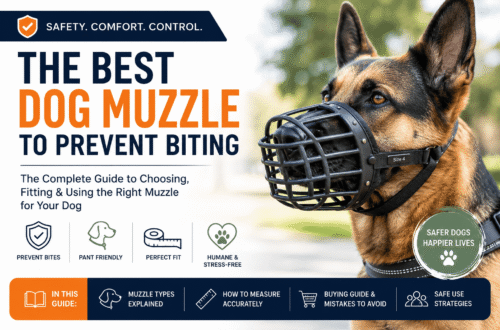
Basket muzzles used to be a last resort. Today, trainers and vets recommend them for everyday safety—especially in busy cities or for dogs who get nervous or reactive.
Basket muzzles used to be a last resort. Today, trainers and vets recommend them for everyday safety—especially in busy cities or for dogs who get nervous or reactive. Basket muzzles are different from tight muzzles: they let dogs pant, drink, and take treats, which keeps them comfortable and safe.
This 2026 guide covers why basket muzzles are safest, how to pick the right one, and simple steps to help your dog get comfortable wearing it.
Next, let’s look at why basket muzzles are generally considered the safest choice and how they compare to soft muzzles.
Why Basket Muzzles Are Generally the Safest Choice
Basket vs Soft Muzzles
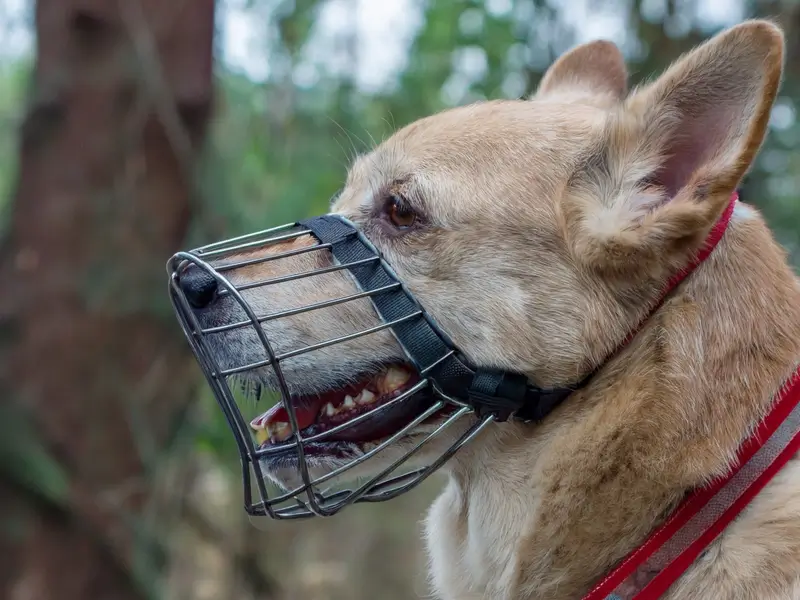
A basket muzzle is a sturdy, cage-like cover that fits over your dog’s nose and mouth. The open design lets air flow through, so your dog can pant, drink, stick out their tongue, and take treats if the fit is right.
A soft muzzle, or groomer’s muzzle, is made of fabric or nylon and wraps tightly around your dog’s mouth. This type almost closes the mouth, making it very hard to pant. Soft muzzles should only be used for very brief, supervised tasks—like a nail trim or a quick vet shot—because they limit breathing and cooling.
Dogs need to pant to stay cool and manage stress, so soft muzzles aren’t safe for walks, training, exercise, or long vet visits. Basket muzzles are much safer for these situations because they allow natural panting and treat-taking, protecting both your dog’s welfare and everyone’s safety.
Why Dogs Must Be Able to Pant, Drink, and Take Treats
Panting is how dogs cool down and relax. If a dog can’t pant, it can quickly become overheated or stressed—especially during exercise or in warm weather.
Letting your dog drink on walks, in the car, or during stressful times helps prevent overheating and keeps them comfortable.
Treats are essential for modern dog training. Trainers use treats to help dogs feel better about things that scare them. If a muzzle blocks treats, it takes away an important training tool.
A basket muzzle that fits well lets your dog pant, drink, and take treats, all while helping keep everyone safe from bites.
When a Basket Muzzle Is Recommended
Professionals now recommend basket muzzles in a wide range of situations:
- Reactive or aggressive behavior toward other dogs or people—muzzles help keep everyone safe while you work on training.
- Vet visits and grooming for dogs who are scared, in pain, or sensitive to touch.
- Dogs that try to eat dangerous things (like rocks, trash, or toxic foods)—a basket muzzle with smaller gaps can help prevent this.
- Legal rules, like breed-specific laws or public transport requirements in some areas.
When used the right way, a basket muzzle isn’t a punishment. It’s a safety tool—like a seatbelt—that helps your dog enjoy more activities safely.
Choosing the Right Basket Muzzle in 2026: What to Know Before You Buy
Measurements and Fit
The biggest mistake is guessing size or buying a muzzle “by breed” without measuring your dog. Experts agree: getting the right fit is the most important part of muzzle safety.
You’ll usually need:
- Muzzle length: Measure from the tip of your dog’s nose to about 0.5–1 cm below their eyes.
- Muzzle circumference: Measure around the widest part of your dog’s snout, just below the eyes, while their mouth is slightly open.
- Neck measurement: Measure around your dog’s neck, right behind the ears—this is where the muzzle straps usually sit.
A good basket muzzle should:
- Sit back from the nose so it doesn’t rub or press on the tip.
- Let your dog open their mouth wide to pant and yawn.
- Make sure your dog’s tongue can stick out comfortably between the bars.
- Avoid anything that touches the eyes or restricts jaw movement.
Muzzles that are too short and keep your dog’s mouth partly closed are unsafe and uncomfortable—even if they seem to fit over the nose.
Material Options: Plastic, Rubber, Wire, Biothane, Leather
Each material has its pros and cons for comfort, durability, and safety.
Plastic/rubber basket muzzles
- Lightweight, usually affordable, and allow good airflow.
- Popular for everyday walks with pet dogs.
- Fairly durable, but strong chewers or powerful dogs might eventually break them.
Wire/metal basket muzzles
- Very strong and bite-resistant, often used for working dogs or those at higher risk.
- Heavier than plastic. Can feel cold in winter and may be uncomfortable if there’s no padding.
Biothane and custom muzzles
- Coated webbing is flexible, smooth, and usually comfortable for dogs.
- Usually custom-made to fit your dog, with choices for color and strap layout.
- More costly, but very adjustable and long-lasting.
Leather baskets
- Leather muzzles are traditional, durable, and can be very comfortable if cared for properly.
- Some leather designs are more closed—always check that your dog can still pant and take treats easily.
Whatever the material, always pick a muzzle that has good airflow, plenty of space inside, and fits your dog well—looks come last.
Safety and Comfort Features to Look For
High‑quality basket muzzles often share key design details:
- Plenty of space inside so your dog can fully pant and yawn.
- Openings at the front for easy treat delivery by hand or with a squeeze tube.
- Padded straps or noseband to prevent rubbing on the nose or behind the ears.
- Secure buckles, and sometimes an extra head strap or attachment to a collar/harness to keep the muzzle from slipping off.
- Weather-smart design—metal can get cold in winter, and very dark muzzles can get hot in full sun.
Making small changes—like adding padding or adjusting the straps—can turn a muzzle from something your dog merely tolerates into something they’re comfortable and happy to wear.
When You Might Need a Custom Basket Muzzle
Some dogs are simply hard to fit in mass‑produced sizes:
- Sighthounds with long, narrow snouts (like Greyhounds or Borzois).
- Bully-type breeds with short, wide muzzles (like Staffies or Bulldogs).
- Dogs with unusual head shapes or past injuries that make standard muzzles hard to fit.
Custom or semi‑custom muzzles allow you to:
- Add extra length or depth so your dog can pant widely and comfortably.
- Move straps so they don’t touch your dog’s eyes or other sensitive spots.
- Fine-tune the fit so the muzzle stays in place and doesn’t twist, slide, or rub.
Custom muzzles are more expensive up front, but they’re often worth it for dogs who need to wear a muzzle regularly for training, work, or daily life.
Best Basket Dog Muzzles in 2026 (By Category)
Use this guide to add your favorite products, images, and affiliate links. Most 2025–2026 reviews feature a mix of popular plastic or rubber baskets, strong metal options, and custom Biothane or leather muzzles.
Best Overall Basket Dog Muzzle for Everyday Use
For most pet dogs, the best all-around muzzle for safe walks, vet visits, and having guests over is:
- A plastic or rubber basket muzzle with plenty of space for your dog to pant.
- Soft, padded straps that adjust securely behind your dog’s head.
- A large front opening so you can easily give treats.
- Available in many sizes to fit small to giant breeds.
This kind of muzzle is ideal for owners who need to manage their dog’s mild or moderate reactivity on daily walks, while still working on training and behavior change.
Best Budget‑Friendly Basket Muzzle
Budget‑friendly muzzles can still be safe if you check for:
- Adequate pant room and treat access.
- Solid strap system that won’t slip over the eyes.
- Reasonable materials (not brittle plastic).
They’re ideal for:
- For occasional vet or grooming visits.
- As a backup or spare muzzle.
- For owners who are just starting muzzle training before investing in a premium option.
Best Basket Muzzle for Reactive or Aggressive Dogs
Dogs with a bite history or significant aggression issues need maximum security. Heavy‑duty basket muzzles typically offer:
- Made with tough plastic or wire that stands up to impact and chewing.
- Extra head straps and attachments that connect to a collar or harness for added safety.
- Deep basket design keeps teeth away from people or other dogs, even if your dog lunges.
These muzzles are often chosen by trainers and working-dog handlers. They must always allow full panting and, ideally, let you give treats to support training and behavior change.
Best Lightweight Basket Muzzle for Long Walks and Hot Weather
For dogs in warm climates or those who hike and run, weight and ventilation matter:
- Lightweight plastic or Biothane muzzles with open designs for maximum airflow.
- Light-colored muzzles that don’t get as hot in the sun.
- Soft edges and flexible materials to help prevent rubbing during long walks.
These muzzles are designed to keep dogs safe while staying as comfortable as possible, even on hot days.
Best Basket Muzzle for Large & Giant Breeds
Large, powerful dogs like German Shepherds, Rottweilers, Mastiffs, and guardian breeds need:
- Extra length and depth to fit big jaws and allow wide panting.
- Strong buckles and sometimes double-strap systems for added security.
- Durable materials that won’t crack or bend if your dog lunges suddenly.
Choose brands that list exact sizes for large breeds and include measurement diagrams, instead of just generic size labels.
Best Basket Muzzle for Short‑Snout / Bully‑Type Dogs
Many bully-type and brachycephalic dogs (like Staffies and some mixed breeds) have short, wide snouts, so standard long-nose muzzles won’t fit them properly.
Good options will:
- Have a wider, shorter basket design.
- Use strap configurations that prevent slipping over the eyes.
- Still allow room for panting and limited treat delivery.
Some dogs with very short faces—true brachycephalics like Pugs—often can’t use traditional basket muzzles. They may need special flat-face muzzles or other ways to keep everyone safe.
Best Custom or Biothane Basket Muzzle (Premium Pick)
Custom Biothane or leather muzzles are becoming more popular with trainers and experienced owners. They offer:
- Tailored fit for unusual head shapes or dogs that wear muzzles frequently.
- Softer interior feel with smooth, non‑abrasive materials.
- Colour and strap layout customisation for visibility and aesthetics.
These muzzles are perfect for dogs in ongoing training programs, working dogs, or situations where top comfort and a perfect fit are worth the extra cost.
How to Introduce and Train a Basket Muzzle (Made Simple)
Never force a muzzle onto your dog. Take it slow and use treats to help your dog learn to enjoy wearing it.
Step 1 – Build a Positive Association
Put the muzzle on the floor and let your dog sniff it. Praise or give a treat for any curiosity.
Hold the muzzle and feed treats through the basket—don’t try to put it on yet.
The goal is for your dog to see the muzzle and think, “This means good things are coming.”
Step 2 – Teach Voluntary “Face In”
Spread a little soft food (like dog-safe peanut butter or wet food) inside the muzzle.
Hold the muzzle and let your dog choose to put their nose inside to lick the food.
Take the muzzle off before your dog tries to pull away, so they learn they’re in control.
Build up from one second to several seconds of comfortable “face in.”
Step 3 – Add the Straps Slowly
Once your dog is comfortable putting their nose in, fasten the buckle for a moment, feed a few treats, then unclip.
Slowly increase how long the muzzle stays on, always using tasty treats and keeping things calm.
Wait until your dog is clearly relaxed wearing the muzzle at home before trying full walks.
Step 4 – Practice Real‑Life Scenarios
Start with short, easy walks in quiet areas while continuing to feed treats regularly.
Only then progress to more challenging contexts (busy streets, near other dogs).
If you only bring out the muzzle before something stressful (like a vet visit), your dog could start to fear it.
Common Training Mistakes to Avoid
- Forcing the muzzle onto a dog who is struggling.
- Using the muzzle as a punishment.
- Putting the muzzle on only before scary or painful events.
- Skipping rewards and expecting your dog to just tolerate the muzzle.
Safety Tips and Muzzle Etiquette in 2026
How Long Can a Dog Wear a Basket Muzzle?
Because basket muzzles let dogs pant and drink, most dogs can wear them for regular walks and short outings. Still, it’s important to give your dog breaks. Consider these factors:
- Temperature and humidity: Hot, humid days make heatstroke more likely, so be extra careful.
- Exercise intensity: Dogs need to pant more during hard exercise or running.
- Health: Dogs with breathing problems, heart disease, or short noses (like Bulldogs) need extra caution when wearing a muzzle.
Check regularly for rubbing, pressure points, and signs of distress.
What a Basket Muzzle Can and Cannot Do
Basket muzzles:
- A basket muzzle greatly lowers the risk of bites, but it’s not 100% bite-proof—especially if it’s too short or has wide gaps.
- Muzzles don’t replace training or behavior work—they’re tools to help manage your dog safely, not a cure.
- Basket muzzles may not fully stop scavenging if the gaps are large enough for small items. “Anti-scavenge” designs offer more protection.
Owners should still avoid their dog’s triggers when possible and keep working on the underlying causes of the behavior.
Communicating With the Public
Many people still assume muzzled dogs are “bad.” You can help change that narrative by explaining that:
- A muzzle helps keep everyone safe while your dog learns new skills and behaviors.
- Responsible owners use muzzles to prevent accidents—not just after something goes wrong.
Saying something like, “He’s in training, and this just keeps everyone safe,” can help make awkward situations easier.
When to Consult a Vet or Behaviour Professional
Always seek professional help if:
- Has your dog ever bitten or almost bitten a person or another dog?
- Is your dog’s aggression getting worse, or do they seem unpredictable, scared, or in pain?
- Are you unsure how to fit or train the muzzle and want to avoid setbacks?
A qualified trainer or veterinary behaviourist can help integrate the use of a muzzle into a broader, humane behaviour plan.
FAQ: Basket Dog Muzzles in 2026
Can my dog pant, drink, and take treats in a basket muzzle?
Yes—if the basket muzzle fits well and is the right design. Your dog should be able to open their mouth wide, stick out their tongue, drink water, and take treats through the bars.
Are basket muzzles cruel?
No. When basket muzzles fit well and are introduced slowly with positive training, they’re humane safety tools. Many dogs learn to see them as regular gear that means good things—like walks and treats—are coming.
Can a dog still bite in a basket muzzle?
A well-fitted basket muzzle greatly lowers bite risk. However, if the gaps are wide, a very determined dog might still manage to nip or pinch. That’s why choosing the right size and design matters so much.
How do I know if the muzzle fits correctly?
Your dog should be able to pant and yawn fully, the tongue should move freely, and there should be no rubbing on the nose or eyes. Straps should be snug but not digging into the skin, and the muzzle shouldn’t twist or slide easily.
Final Thoughts: Choosing the Best Basket Muzzle for Your Dog in 2026
There’s no single “best” basket muzzle for every dog. The right choice depends on your dog’s head shape, bite risk, environment, and how often they’ll need to wear it.
As a rule of thumb:
- Most average pet dogs with mild or moderate reactivity do well in a versatile plastic or rubber basket muzzle that offers plenty of room for panting and easy treat access.
- High-risk or working dogs usually need heavy-duty wire or reinforced basket muzzles with extra straps for maximum security.
- Dogs with unusual head shapes or those in long-term training benefit most from custom or Biothane muzzles made to their exact measurements.
No matter which muzzle you choose, use it alongside good management, reward-based training, and professional support if needed. This helps your dog stay safe, act safely, and enjoy more freedom—even in our busy 2026 world.