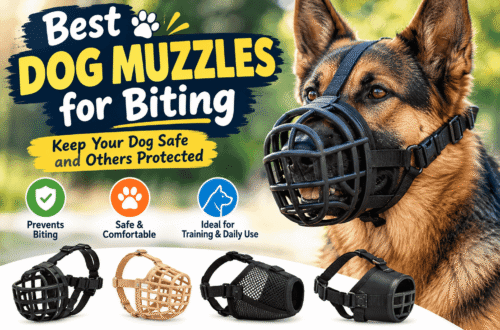
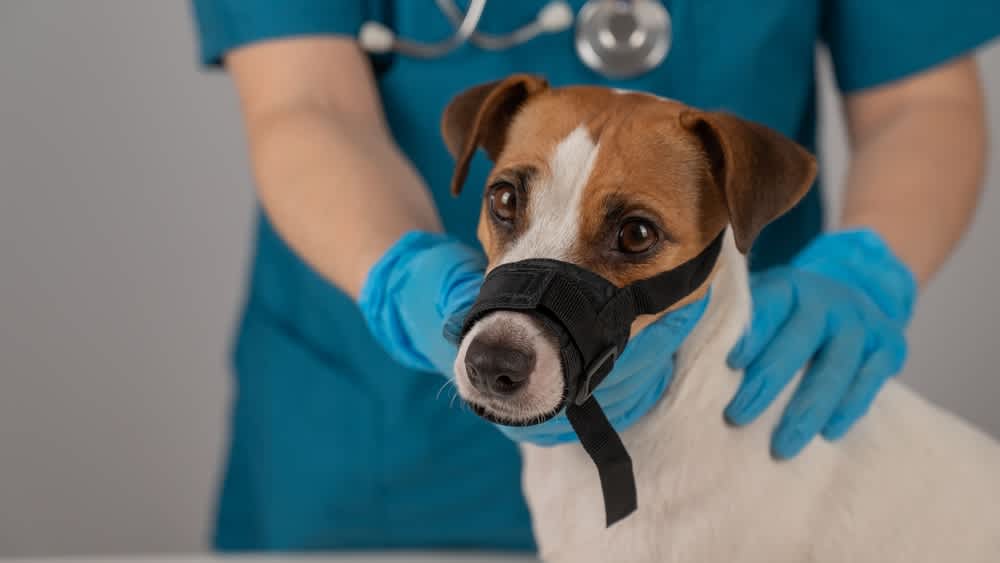
The Best Muzzles for Vet Visits With Bite‑Risk Dogs
The best muzzles for vet visits with bite‑risk dogs are basket‑style designs that allow panting, drinking, and treat delivery while still preventing bites, with products like the Baskerville Ultra and JAFCO often being recommended by trainers and vets.
Even the nicest family dog can snap at the vet when they are scared, in pain, or restrained for a procedure. Bright lights, strange smells, other animals, and unfamiliar people touching sensitive areas can push many dogs past their coping limits. A properly fitted muzzle is a safety tool that protects the dog, the veterinary staff, and the owner, without turning the visit into a battle.
Modern welfare organizations and veterinary behaviorists emphasize that a well‑fitted muzzle is not cruel and should never be a punishment. Instead, it lets dogs get the care they need while minimizing the risk of injury and the legal or behavioral fallout that can follow a bite. This guide explains when and why to use a muzzle at the vet, what features matter most, how to train your dog to accept one, and which specific muzzles work especially well for bite‑risk dogs during veterinary visits.
Why Vets Recommend Muzzles – Even for “Nice” Dogs
Owners often feel ashamed or defensive the first time a vet reaches for a muzzle, but from the clinic’s point of view, it is standard safety practice. Veterinary staff know that even dogs with no aggression history can bite when they are frightened, restrained, or in pain, so they use muzzles to prevent a brief moment of panic from turning into a serious injury.
Common situations where vets recommend or require a muzzle include:
- Dogs with previous bites or snap history during handling.
- Dogs that growl, freeze, or struggle when touched in sensitive areas.
- Fearful or reactive dogs overwhelmed by the clinic environment.
- Dogs with painful conditions such as ear infections, arthritis, or wounds.
- Procedures like blood draws, nail trims, injections, x‑rays, and anal gland expression.
Many vet techs appreciate owners who warn them in advance that the dog may need a muzzle and who arrive with the dog already muzzle‑trained, because that makes appointments safer and smoother. Some professionals even argue that muzzle training should be as routine as crate training, because every dog may one day need medical care when they do not feel well enough to tolerate normal handling.
Far from labeling a dog as “bad,” a muzzle is often the difference between providing thorough, low‑stress care and rushing or skipping necessary procedures out of fear of being bitten. It also helps prevent serious legal and welfare consequences that can follow a documented bite, including quarantine requirements and, in extreme cases, euthanasia orders.
What Makes a Vet‑Friendly Muzzle?
Not every muzzle is suitable for veterinary use, and some popular “anti‑bark” or novelty designs can be unsafe. For vet visits, behaviorists and veterinary sources consistently recommend basket muzzles that allow panting and drinking, rather than tight fabric sleeves that clamp the jaw shut.
Key features of a vet‑friendly muzzle
- Full bite coverage – The muzzle must prevent both full bites and quick nips by securely covering the mouth and sides of the snout.
- Panting and breathing – A safe muzzle allows the dog to open their mouth to pant and maintain airflow.
- Treat access – Openings large enough for staff to deliver small treats support cooperative care and reduce fear.
- Secure strapping – Multiple straps, often including an over‑the‑head strap and collar loop, help prevent slipping or twisting.
- Comfort and padding – Soft edges and padded straps reduce rubbing and pressure sores, especially during longer visits.
- Easy cleaning – Plastic, rubber, and biothane baskets rinse and disinfect easily after messy procedures.
Soft nylon “sleeve” muzzles that clamp the mouth shut can still have a place for very short, closely supervised procedures, but they restrict panting and can be dangerous if left on longer than a few minutes or used in warm conditions. For most bite‑risk dogs at the vet, a properly fitted basket muzzle is safer, more humane, and more versatile.
Types of Muzzles Used in Veterinary Settings
Basket muzzles
Basket muzzles are structured cages that surround the dog’s snout, made from plastic, rubber, metal, leather, or biothane. They are widely recommended by veterinary behaviorists and trainers as the best option for most situations because they allow panting, drinking, and treat delivery.
- Excellent bite prevention, even for large or powerful dogs.
- Safer for longer wear than closed fabric muzzles.
- Better welfare, since dogs can open their mouths, pant, and often take small treats.
- Available in many materials and sizes, including custom options.
Disadvantages include bulk, a more serious look, and the need for precise sizing and training, but for vet visits these trade‑offs are usually worth it.
Soft or sleeve muzzles
Soft muzzles are typically made of nylon or similar fabric that wraps around the mouth and keeps it nearly closed, secured with a strap around the back of the head. They are inexpensive and widely stocked in clinics, which leads to frequent use for quick procedures.
The main concern is that they severely restrict panting and drinking, making them unsuitable for longer wear, stressed dogs, or warm environments, so they should only be used briefly and under close supervision.
Emergency and improvised muzzles
In emergencies, vets may improvise a muzzle using gauze, bandage, or a leash wrapped around the snout to prevent a sudden bite while treating a painful injury. These are intended strictly for short‑term use under professional supervision and underline the importance of having a real muzzle ready for dogs known to be reactive or bite‑prone.
How to Choose and Fit a Muzzle for Vet Visits
A muzzle is only as safe as its fit. Improperly sized muzzles can rub, cause panic, or still allow bites, so measuring and adjusting carefully is essential. Most manufacturers recommend measuring muzzle length and circumference before you buy.
- Muzzle length – From the tip of the nose to about 0.5–1 cm below the eyes.
- Muzzle circumference – Around the widest part of the snout, usually just below the eyes.
For basket muzzles, you then choose a size that gives enough extra room for the dog to open their mouth for panting, while still preventing the muzzle from sliding off or allowing teeth to protrude between the bars. Many brands publish breed‑based guides, but behaviorists recommend relying primarily on measurements because head shapes vary widely.
Once the muzzle arrives, fit checks should confirm that the nose is not being pushed or rubbed by the front, the dog can open their mouth to pant inside a basket muzzle, the muzzle does not slide or spin, and the straps are snug without digging into the skin. Bringing the new muzzle to a vet appointment so staff can confirm fit and make minor strap adjustments is often helpful.
How to Muzzle‑Train Your Dog for Vet Visits
Trying to force a muzzle onto a struggling dog in the clinic parking lot almost guarantees fear and resistance. Vet‑approved training resources emphasize desensitizing dogs gradually at home, using high‑value treats and short positive sessions so the muzzle predicts good things.
A common step‑by‑step approach is:
- Introduce the muzzle as a treat bowl – Hold the muzzle out and drop treats inside so the dog voluntarily puts their nose in to eat.
- Build duration – Support the muzzle while the dog eats, then remove it before they pull away, gradually increasing calm nose‑in time.
- Add straps gradually – Touch and briefly fasten straps while feeding, keeping early sessions short and easy.
- Practice movement and mock exams – With the muzzle on, practice walking, basic cues, and gentle handling of ears, paws, and tail while giving treats.
- Generalize to the clinic – If possible, schedule “happy visits” where staff give treats through the muzzle without performing procedures.
If a dog panics or fights the muzzle, it is better to back up to easier steps, use higher‑value food, and, for serious aggression or fear, work with a professional trainer or veterinary behaviorist.
Safety Rules for Using Muzzles at the Vet
Professional guidelines and veterinary articles highlight several core safety rules for muzzle use:
- Dogs wearing muzzles must always be supervised.
- Basket muzzles are preferable for longer wear because they allow panting and drinking.
- Fabric muzzles should only be used for very short procedures and removed immediately afterward.
- Muzzles should never be used as punishment or as a long‑term fix for barking or chewing.
- Owners should inform staff in advance that the dog may need a muzzle so the team can plan low‑stress handling.
- Dogs should not be left muzzled and unattended in cars, on waiting‑room floors, or outside clinics.
These rules balance safety with welfare, recognizing that the goal is to reduce risk without causing overheating, panic, or distress.
Recommended Muzzles for Vet Visits With Bite‑Risk Dogs
Multiple independent buyer’s guides, training blogs, and professional recommendations consistently highlight certain muzzles as especially useful for vet visits and behavior cases. Below are models that allow panting, offer strong bite prevention, and are widely used by trainers or clinics.
Baskerville Ultra Dog Muzzle
The Baskerville Ultra Muzzle from Company of Animals is frequently named as a top overall dog muzzle in major guides and trainer reviews. It is made from moldable thermoplastic rubber, with a basket design that allows dogs to pant, drink, and take treats while still preventing bites.
It offers good airflow and mouth movement, ergonomic safety strapping with an overhead strap and collar loop, and neoprene‑padded straps for comfort, while remaining widely available and relatively affordable. Many behaviorists consider it strong and versatile for typical pet dogs, though they may suggest heavier‑duty designs for the most extreme aggression cases.
Baskerville Classic Basket Muzzle
The Baskerville Classic is a more traditional rigid basket muzzle with an updated TPR design and an adjustable neck strap. It allows panting and drinking while providing full coverage of the mouth, making it suitable for routine vet appointments on many dogs.
Compared with the Ultra, the Classic is slightly simpler and often more budget‑friendly, though it may offer less fine‑tuned adjustability or comfort for some head shapes, so owners should pay close attention to fit and padding.
JAFCO Dog Muzzles (Vinyl/Plastic)
JAFCO muzzles, originally developed by a police K9 trainer, are widely respected in the behavior and working‑dog communities for their sturdy, bite‑resistant design. They are typically made of molded plastic or vinyl, sometimes with transparent fronts so handlers can see the dog’s expression.
These muzzles provide robust baskets that are difficult for dogs to chew through or deform, with options including a front treat hole for cooperative care or a closed front for maximum security, and multiple sizes for different head shapes. Because of their durability and coverage, JAFCO muzzles are often recommended for dogs with a serious bite history or for situations where softer muzzles have failed.
Trust Your Dog Custom Biothane/Vinyl Muzzles
Custom muzzles from Trust Your Dog are frequently mentioned in training and buyer’s guides as a premium choice for behavior cases. They are made from biothane or vinyl straps configured into a basket, with sizing and strap placements based on individual measurements.
These muzzles offer a tailored fit for unusual head shapes or dogs that do not fit standard sizes, use durable waterproof materials that are easy to clean, and can be configured with specific bar spacing and strap setups for particular needs, making them useful for chronic bite‑risk dogs that will need muzzling throughout their lives.
BUMAS Custom Biothane Muzzles
BUMAS specializes in fully custom biothane muzzles, often in bright colors, designed for long‑term comfort and safety. Like Trust Your Dog, BUMAS uses detailed measurements to create a basket that allows panting and treat delivery while maintaining full coverage, making them a premium long‑term solution for frequent wear.
These muzzles are among the more expensive options and require lead time to produce, but they are widely regarded as a high‑quality choice for dogs that will wear muzzles often for vet care, grooming, or public outings.
Coastal Pet Products Best Fit Adjustable Muzzle
The Coastal Best Fit Adjustable Muzzle is a soft nylon sleeve muzzle highlighted in several buying guides as a standard option for short vet or groomer procedures. It wraps around the mouth and limits jaw opening, which can quickly reduce bite risk during a brief exam if used under close supervision.
As with all soft muzzles, it restricts panting and should only be used for very short periods in cool, supervised conditions rather than as a primary solution for bite‑risk dogs or long appointments.
Ray Allen Leather and Wire Basket Muzzles
Working‑dog equipment companies such as Ray Allen Manufacturing offer leather and wire basket muzzles designed for strong, active dogs, including police and protection dogs. Their leather basket muzzles combine woven leather with metal reinforcement, while wire basket muzzles rely on stainless‑steel cages with leather straps to maximize airflow and bite prevention.
These muzzles provide high durability and strong bite prevention, making them suitable for large breeds with significant bite force, though they can be heavier and more visually intimidating than consumer plastic baskets.
Comparing Baskerville Ultra and JAFCO for Vet Visits
Because Baskerville Ultra and JAFCO are widely recommended, many owners wonder which is better for vet visits. Trainer reviews and buyer’s guides suggest that the Baskerville Ultra is an excellent general‑purpose muzzle for moderate risk, whereas JAFCO is better suited to dogs with more serious bite histories.
| Feature | Baskerville Ultra Muzzle | JAFCO Dog Muzzle |
|---|---|---|
| Material | Moldable thermoplastic rubber basket. | Rigid plastic or vinyl basket. |
| Breathability | Good airflow; allows panting and drinking. | Good airflow; versions with or without front hole. |
| Bite resistance | Strong for typical pet dogs, but not fully bite‑proof in extreme cases. | Very high bite resistance, hard to deform or chew. |
| Treat access | Yes, through basket openings. | Yes on treat‑hole models; no on closed‑front models. |
| Comfort | Lightweight, padded straps, flexible fit. | Slightly heavier, rigid basket, stable once fitted. |
| Best use‑case | General bite risk, routine vet and grooming visits. | Serious bite history, stronger or determined dogs. |
Many behavior consultants describe the Baskerville Ultra as ideal for pet dogs needing a last line of defense in stressful situations, while recommending stiffer plastic or wire baskets like JAFCO for dogs that have already inflicted severe bites or attempted to break equipment.
Frequently Asked Questions About Vet Visits and Muzzles
Is it normal for a vet to recommend muzzle training?
It is increasingly common for vets and trainers to encourage owners to muzzle‑train dogs proactively so the equipment is familiar when needed. Vet techs often appreciate owners who arrive with a muzzle and warn them that the dog may be a bite risk, because it prevents surprises and injuries.
How long can my dog safely wear a muzzle at the vet?
Basket muzzles that allow panting and drinking can generally be worn for longer periods under supervision, such as the length of an appointment, while fabric sleeve muzzles that hold the mouth closed should be used only for very short procedures and removed as soon as possible.
Can a dog still bite through a muzzle?
With a well‑fitted, high‑quality basket muzzle, full bites are unlikely, but poorly designed or badly fitting muzzles may still allow nips or tooth contact. Robust designs and careful fitting are essential for dogs with significant bite risk.
Used thoughtfully, the right muzzle can turn a risky vet visit into a manageable experience, protecting everyone involved while giving dogs the medical care they need.