
Best Muzzle for Reactive Small Dogs vs Large Dogs: Sizing, Styles, and Safety Tips
A tiny Chihuahua that snaps at ankles and a big German Shepherd that lunges at other dogs may look very different, but both can put people, pets, and themselves at risk. A well‑fitted muzzle can make walks, vet visits, and training sessions safer for everyone—yet the “best muzzle” for a 3 kg dog is not the same as for a 35 kg dog.
This guide breaks down the best muzzle options for reactive small dogs versus large dogs, how to size them correctly, and the safety rules you must follow so your dog can still pant, drink, and learn calmly on the move.
Why Use a Muzzle for Reactive Dogs?
A reactive dog is not a “bad” dog—they are a dog who over‑reacts. They may bark, lunge, growl, or snap at triggers like other dogs, strangers, bikes, or traffic, usually out of fear, frustration, or over‑arousal. Training and management are the long‑term solutions, but a muzzle adds an important layer of safety while you work on the behavior.
Think of the muzzle as a seat belt: it does not stop accidents from happening, but it greatly reduces how bad those accidents can be. It helps:
- Lower the risk of injury if your dog manages to connect with a bite.
- Protect your dog from grabbing dangerous objects or small animals.
- Give you enough confidence to practice real‑world training instead of avoiding situations entirely.
Basket vs Soft Muzzles: What Reactive Dogs Really Need
Why Basket Muzzles Are the Default Choice
Basket muzzles create a cage around the dog’s mouth instead of holding it shut. When they are sized correctly, your dog can:
- Open their mouth wide to pant and cool down.
- Extend their tongue and breathe freely.
- Drink water from a bowl or portable bottle.
- Take treats during training and counter‑conditioning.
Trainers, vets, and behaviorists routinely recommend basket muzzles as the safest style for reactive dogs because they can be worn for supervised walks and training sessions without compromising breathing or welfare.
Why Soft/Sleeve Muzzles Are Short‑Term Only
Soft muzzles made of nylon or fabric strap the mouth mostly closed. They are sometimes used for very brief vet or grooming procedures to prevent bites while people handle the dog closely. But they:
- Restrict panting, which makes it harder for dogs to cool themselves.
- Block drinking and usually prevent treat‑feeding.
- Can quickly cause overheating and stress during walks, heat, or exercise.
For reactive dogs, that makes soft/sleeve muzzles unsafe for everyday walks or training. Use them only for short, controlled moments under professional guidance.
Small vs Large Reactive Dogs: Different Risks, Same Rules
A small dog may not hit as hard as a large dog, but a quick nip can still injure a child’s fingers, another small pet, or a person’s face. A large reactive dog, on the other hand, can deliver deep bites and yank an adult off their feet in seconds.
Despite those differences, the basic rules are exactly the same for every size:
- The muzzle must prevent the kind of bite your dog can realistically deliver.
- It must allow panting, drinking, and treat‑feeding when used for walks or training.
- It must fit securely without rubbing the nose, eyes, or skin.
Reactive Small Dogs
Toy & small breedsNeed ultra‑light basket muzzles that do not hit the eyes or chest, with tiny adjustment steps and enough room for a small pant and small treats.
Reactive Large Dogs
Medium–giant breedsNeed deep, strong baskets (plastic, wire, or leather) that allow heavy panting and big tongues, plus multiple secure straps and padding.
Best Muzzle Styles for Reactive Small Dogs
Fit Challenges for Tiny Mouths
Small dogs often have short, narrow snouts. Many generic muzzles are too big or heavy and end up riding into the eyes, rubbing the nose, or slipping off entirely. Brachycephalic breeds like Pugs make things even trickier, because their flat faces do not fit typical muzzle shapes at all.
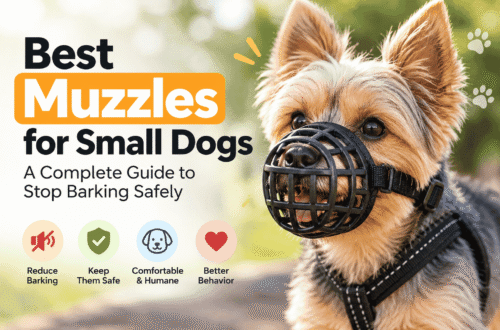
Lightweight Basket Muzzles for Little Dogs
For most reactive small dogs, the best option is a lightweight plastic or rubber basket muzzle designed specifically for small breeds. Look for:
- Narrower, shorter baskets sized for tiny snouts.
- Very low weight so the dog’s neck is not strained.
- Soft padding on the nose and face.
- Fine strap adjustments so you can tighten gradually, not in big jumps.
For toy breeds like Chihuahuas and very small terriers, use the manufacturer’s size chart and, if possible, any breed‑specific guidance. A few millimetres can be the difference between safe and unsafe.
Soft or Mesh Muzzles for Small Dogs
Many “one‑size” nylon or mesh muzzles for small dogs are marketed as bark or bite stoppers. They can have a place for very short procedures at the vet or groomer, but they are not suitable for walks or reactivity training because they restrict panting and drinking. Reserve them for brief, supervised use only, if a basket is truly not available.
Best Muzzle Styles for Reactive Large Dogs
Extra Demands for Big, Powerful Dogs
Large and giant breeds bring serious jaw strength and reach. For these dogs, the muzzle must be truly bite‑resistant and hard to escape from, while still allowing heavy panting and big tongue extension. Bigger, more muscular bodies also generate more heat, so ventilation and depth are critical.
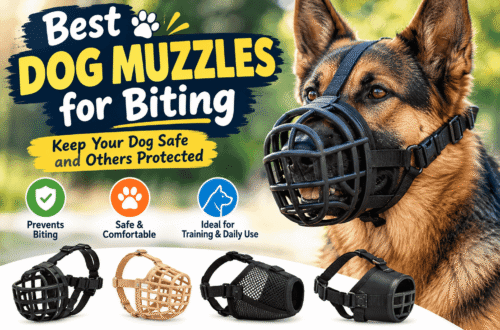
Plastic/Rubber Basket Muzzles
High‑quality plastic or rubber basket muzzles are a solid choice for many large reactive dogs that do not have a severe, known bite history. They are:
- Lightweight for their size.
- Easy to clean and maintain.
- Comfortable enough for regular walks and training sessions.
When sized correctly, they allow full panting and drinking, and you can push treats through the bars. But very determined dogs may chew or flex cheaper models, so serious biters often need something stronger.
Wire and Leather Basket Muzzles
For powerful dogs with a real bite risk, wire or thick leather basket muzzles provide extra security. Wire baskets are rigid, bite‑proof, and usually come with padded nose bands and multiple straps. Leather basket muzzles use strong straps to form a cage and soften to the dog’s head shape over time, which can improve comfort.
These designs are heavier and can look more intimidating, but in exchange you get a muzzle that is very hard to break or slip, which matters a lot for large reactive dogs.
Sizing and Measurement: Small vs Large Dogs
Whether your dog is tiny or huge, you’ll need the same basic measurements:
- Snout length: from the tip of the nose to just below the eyes.
- Snout circumference: around the widest part of the snout with the mouth closed.
- Head/neck distance: for some brands, distance from behind the ears to the snout helps with strap fit.
Match these to the brand’s size chart and, when possible, to breed‑based fitting guides. Never guess purely by weight or size labels like S/M/L.
Sizing Small Dogs
Toy & small breedsTiny measurements mean small errors matter: baskets that are too long hit the chest; too wide rub the eyes. Prioritize low weight, short length, and gentle strap increments.
Sizing Large Dogs
Medium–giant breedsFocus on depth and strength: there must be room for heavy panting and large tongues, wide padded straps, and enough structure to resist bending under load.
Small vs Large Dog Muzzles: Feature Comparison
This table summarizes how key features differ between muzzles aimed at small reactive dogs and those for larger, more powerful dogs.
| Feature | Small Reactive Dogs | Large Reactive Dogs |
|---|---|---|
| Typical Materials | Light plastic/rubber baskets; some mesh or nylon for very short use. | Sturdy plastic/rubber, wire baskets, or thick leather cages. |
| Weight | Must be ultra‑light to avoid neck strain. | Can be heavier, but must still be comfortable for longer wear. |
| Panting Room | Enough for a small open‑mouth pant and tongue movement. | Deep basket for heavy panting and large tongues. |
| Bite‑Protection Level | Moderate: blocks fast nips, especially around hands and faces. | High to maximum: blocks strong, deep bites toward dogs or people. |
| Fit Difficulty | High—tiny changes in size can cause rubbing or slipping. | Moderate—more margin, but depth and strap security matter a lot. |
| Key Priority | Low profile, no eye rubbing, minimal weight. | Strength, depth, and secure multi‑point straps. |
Shared Safety Rules for All Reactive Dogs
No matter your dog’s size, safe muzzle use always follows a few golden rules:
- For walks and training, use a basket muzzle that allows full panting, drinking, and treat‑feeding.
- Use soft/sleeve muzzles only for very short, supervised procedures.
- Limit session length, especially in warm weather, and watch for overheating (frantic panting, drooling, color changes, wobbling).
- Never leave a dog muzzled and unsupervised—getting hung up or panicking can be life‑threatening.
Muzzle Training: Small vs Large Dogs
Core Training Steps (All Sizes)
Regardless of size, the training plan is the same:
- Show the muzzle and feed treats for any interest, then put it away.
- Smear something tasty inside and let your dog voluntarily put their nose in; no straps yet.
- Briefly clip the straps for a second or two while feeding, then slowly build up the time.
- Practice walking and simple cues in the muzzle at home, then move to the yard, then quiet streets, and only then near triggers.
Extra Tips for Tiny Reactive Dogs
- Train on a secure raised surface or lap so they feel safe during early sessions.
- Use very small, soft treats that fit easily through basket gaps.
- Check that the basket doesn’t block vision or hit the chest when they lower their head.
Extra Tips for Large Reactive Dogs
- Make sure your dog is fully comfortable in the muzzle at home before working near serious triggers.
- Pair muzzle work with good harness and leash skills to control lunges safely.
- Use squeeze tubes or soft food to deliver high‑value rewards through the muzzle around triggers.
Pros and Cons: Small vs Large Dog Muzzle Use
Small Reactive Dogs
- Reduced risk of nips toward children, visitors, and other small pets.
- Safer handling for vets and groomers.
- Easier to take tiny dogs into busy places without surprise snapping.
Large Reactive Dogs
- Strong bite risk reduction in high‑impact situations.
- Can reassure the public and reduce neighbor conflict.
- Often required equipment for certain dogs in some areas or housing.
Final Thoughts
The best muzzle for a reactive small dog will never look or feel exactly the same as the best muzzle for a reactive large dog. Tiny dogs need ultra‑light, precisely sized baskets; big dogs need deeper, stronger baskets that match their power. But both must meet the same standard: block bites while allowing your dog to pant, drink, and learn.
Used this way, a muzzle is not a badge of shame—it is a sign that you take your dog’s challenges seriously and are doing everything you can to keep everyone safe while you work on behavior. Measure your dog carefully, choose a well‑ventilated basket muzzle built for their size and strength, and start positive muzzle training long before you truly need it.