Best Dog Muzzle to Prevent Biting Around Children and Guests at Home
Living with a dog in a busy family home is a joy, but it can also come with worries—especially when children and guests are involved. A playful nip, a fearful snap, or a serious bite can change everything in a second, and many owners quietly wonder, “What if my dog reacts the wrong way one day?”
A well‑fitted, humane muzzle can be a powerful safety tool that reduces bite risk while you work on training, management, and behavior change. It does not mean your dog is “bad”; it means you are taking responsible steps to keep both your dog and the people around them safe.
Why Bites Happen Around Children and Guests
Many dog bites do not come out of nowhere; they happen when dogs feel scared, overwhelmed, or pushed past their limits. Children move fast, squeal, hug, and stare directly at dogs—all things that can feel very threatening to an animal that communicates mostly with subtle body language.
Guests are strangers entering the dog’s territory, often smelling different, talking loudly, and reaching out to pet without understanding canine signals. Common triggers for biting at home include:
- Pain from medical issues like arthritis or ear infections
- Resource guarding of food, toys, beds, or favorite people
- Fear of fast or unpredictable movement and loud noises
- Feeling trapped or cornered with no safe way to retreat
A muzzle cannot change how a dog feels, but it can prevent those feelings from turning into a bite while you work with management and training.
When a Dog Muzzle at Home Makes Sense
A muzzle is most appropriate when you know there is some level of bite risk and you want to reduce the chance of anyone getting hurt. This includes dogs that have snapped, lunged, or bitten around visitors or children in the past, even if those incidents seemed “small.” It also includes newly adopted dogs with unknown histories who are meeting kids and guests for the first time, as well as dogs working through fear or reactivity with a trainer and needing controlled practice with people.
It is crucial to see the muzzle as one layer of safety rather than the entire solution. Muzzles are temporary tools to use alongside supervision, distance, controlled introductions, and behavior modification. A dog in a muzzle still needs watching; they can knock children over, scare them, or injure someone if the muzzle is poorly fitted, so your mindset should be “reduce risk, not remove responsibility.”
Common Myths and Misconceptions About Muzzles
Muzzles suffer from a bad reputation, often linked with images of “dangerous” dogs. In reality, many very loved and well‑managed dogs wear muzzles in everyday situations simply because their owners understand risk. A muzzle can be as normal as a seat belt: a safety device used because you care, not because something is “wrong.”
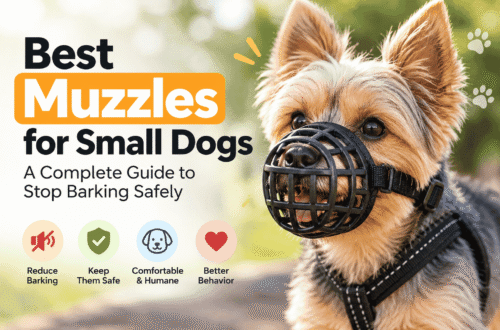
The idea that muzzles are cruel comes from images of tight, fabric muzzles clamping a dog’s mouth shut for long periods. A properly fitted basket muzzle that allows panting and drinking is considered humane and is widely recommended by trainers and welfare organizations for longer, supervised use.
Another dangerous myth is that a muzzle “fixes” behavior; relying on the muzzle alone while ignoring stress signals, skipping training, or forcing the dog into overwhelming situations can make fear and aggression worse. Used with empathy and knowledge, though, a muzzle is a sign of responsible ownership, not failure.
Key Safety Principles Around Kids and Guests
Safety with a muzzled dog begins with respecting the dog’s emotional limits. A muzzle should never be used as a reason to push a dog into situations that scare them, such as letting a nervous dog be surrounded by children or insisting that all guests must pet the dog. Instead, think of the muzzle as one extra layer on top of good management: distance, safe spaces, and clear rules.
Supervision remains non‑negotiable. Children must never be left alone with a muzzled dog, because they may still climb on, grab, or tease the dog, causing stress or injury. Combining a muzzle with baby gates, crates, exercise pens, and leashes allows you to control contact between the dog and people, while clear instructions to visitors (no hugging, grabbing, or leaning over the dog) help prevent misunderstandings. Keeping sessions short and watching for signs of stress lets you remove the dog to a quiet area before problems escalate.
Types of Dog Muzzles for Home Use
Basket Muzzles
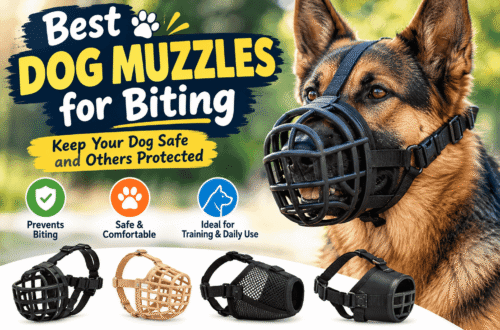
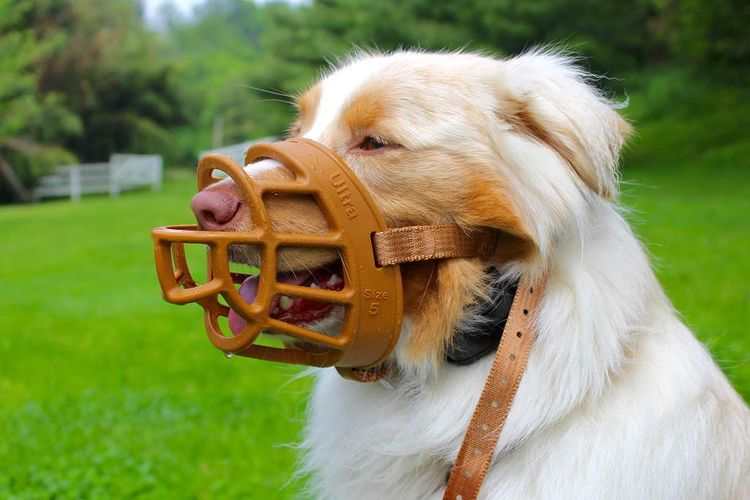
Basket muzzles are the gold standard for most home and public situations because they allow the dog to open their mouth, pant, drink, and take treats while still preventing a bite. Thermoplastic rubber basket designs offer flexibility and comfort, and these models come in multiple sizes for different breeds.
Biothane basket muzzles, often custom‑made, are lightweight, durable, and easy to clean, making them a good choice for regular use. Metal wire baskets provide the highest level of bite resistance and are often used for strong or serious biters, though they can bruise if the dog hits someone with the muzzle. Around small children, that extra impact risk means you must be especially careful with supervision and distance.
Soft Sleeve or Fabric Muzzles
Soft muzzles wrap around the dog’s snout and keep the mouth mostly closed, which is why vets and groomers sometimes use them for very short, controlled procedures like nail trims. However, they prevent panting and can restrict drinking, making them unsafe for longer wear or for use around children and guests where excitement and stress might increase body temperature.
These muzzles are best reserved for brief, monitored situations and should not be your go‑to choice for family gatherings or extended social time at home.
Short‑Snout (Brachycephalic) Muzzles
Flat‑faced breeds such as Bulldogs, Pugs, and Shih Tzus need specially designed muzzles that accommodate their unique head shapes. These often look like mesh or hybrid harnesses that cover the front of the face rather than enclosing a long snout. Because these dogs already struggle with breathing and are at higher risk of overheating, ventilation and short, supervised sessions are critical.
What Makes a Muzzle Good for Homes With Kids and Guests?
For a family home, the best dog muzzle is one that balances safety, comfort, and practicality. Bite resistance is essential: a well‑designed basket that keeps teeth from making contact even if the dog tries to nip offers much more protection than thin fabric.
Fit and adjustability are key. The muzzle should be snug but not tight, with straps that prevent slipping over the nose or rubbing near the eyes. Padding can help prevent irritation for dogs that will wear the muzzle frequently. The dog must be able to fully pant and drink water, especially in warm weather or during excited moments, which is why proper sizing is so important.
Many owners now prefer muzzles in bright colors or with “Do Not Pet” labels to signal clearly to children and guests that the dog needs space. That simple visual cue often changes how people approach and helps keep everyone safer.
Top Muzzle Styles for Preventing Bites at Home
All‑Round Basket Muzzle for Family Dogs
For many moderately worried or reactive family dogs, a rubber or plastic basket muzzle with multiple adjustable straps offers the best balance of safety and comfort. These muzzles are widely available, come in many sizes, and are designed to allow panting, drinking, and treat‑feeding during training, which is ideal for use at gatherings or when guests drop by.
Heavy‑Duty Basket Muzzle for High‑Risk Dogs
If a dog has a serious bite history, stronger protection is often needed. Rigid or metal basket muzzles with padded nose bands and multiple attachment points provide more reliable bite prevention for powerful or determined biters. These muzzles are generally more secure and harder for the dog to remove, which matters when children or vulnerable guests are present.
Custom‑Fit Biothane Basket Muzzle
Custom biothane muzzles have become popular because they can be tailored to a dog’s exact measurements and chosen in bright, friendly colors. Biothane is flexible, waterproof, and easy to clean, making it suitable for frequent use and various weather conditions. These muzzles can be especially helpful for dogs with unusual head shapes or for owners who want a comfortable, long‑wear option that still looks less intimidating to guests.
Short‑Snout Muzzles for Brachycephalic Dogs
For brachycephalic breeds, specialized mesh or hybrid muzzles that secure around the head without compressing the nose are the only responsible choice. They must preserve airflow and allow some panting while still helping to prevent a bite, which is a challenging balance. Owners should err on the side of shorter, closely supervised use and combine these muzzles with strong management strategies such as keeping the dog in a separate room when children are running around.
Pros and Cons of Using a Dog Muzzle at Home
Benefits (Pros)
- Reduces the risk of bites around children and guests while you work on training and management.
- Gives owners confidence to handle necessary situations (vet visits, introductions, busy gatherings) more safely.
- Helps prevent a single serious incident that could harm a child or lead to legal and welfare consequences for the dog.
- Can signal clearly to visitors that your dog needs space, encouraging more respectful behavior around the dog.
Limitations and Risks (Cons)
- Does not change the underlying emotion or behavior; without training and management, problems may continue to grow.
- Poor fit or the wrong muzzle type can cause rubbing, overheating, or allow the dog to slip out.
- Some people may misjudge or fear your dog simply because they see a muzzle.
- Wrong use (forcing it on, leaving it on too long, no supervision) can increase fear and damage trust.
Best Dog Muzzle Options for Families: Quick Comparison
Here is a quick side‑by‑side look at popular muzzle styles that work well in homes with children and guests. Use this as a starting point and always match the size and design to your own dog.
| Muzzle Type / Example | Best For | Key Features | Pros | Cons |
|---|---|---|---|---|
| Rubber Basket Muzzle (e.g. flexible all‑round family muzzle) |
Most family dogs with mild to moderate bite risk during visits and playdates. | Flexible rubber basket, multiple strap adjustments, allows treats and water. | Comfortable for short to moderate wear, allows panting and drinking, widely available in many sizes. | Not as rigid as metal for very determined biters; still needs careful sizing and training. |
| Metal Basket Muzzle (heavy‑duty style) |
Strong dogs with a serious bite history, high‑risk situations around vulnerable guests. | Rigid metal basket, padded nose band, secure multi‑point attachment. | High bite resistance, difficult for dogs to deform or chew through, very secure when fitted well. | Heavier and more intimidating; can bruise if the dog hits someone; extra care needed around small children. |
| Custom Biothane Basket Muzzle | Dogs with unusual head shapes or owners who want a long‑wear, comfortable option. | Custom sizing, bright colors, waterproof, easy to clean, lightweight straps. | Excellent fit and comfort, less “scary” appearance, good for regular use and training sessions. | May be less bite‑proof than rigid metal for extremely determined biters; custom orders can be more expensive. |
| Short‑Snout Mesh Muzzle (for brachycephalic breeds) |
Bulldogs, Pugs, Shih Tzus and other flat‑faced dogs during short, supervised interactions. | Mesh or hybrid design, wraps around head, maximizes airflow for short snouts. | One of the few workable options for brachycephalic breeds, offers some bite protection with better breathing than generic muzzles. | Higher overheating risk if misused; generally suited only to short, watched sessions and strong management. |
How to Correctly Fit a Dog Muzzle
No matter how good the design, a poorly fitted muzzle will not protect effectively and may be unsafe. Proper sizing starts with measuring the dog’s snout circumference at the widest point just below the eyes, and the length from the nose tip to that same point. Many manufacturers provide size charts, and taking accurate measurements helps you choose the closest match.
Once you have the muzzle, check that it sits level on the nose, does not press into the eyes, and allows the dog to open their mouth enough to pant while still preventing them from opening wide enough to bite. You should be able to slip a finger between the straps and the dog’s skin without seeing obvious gaps. Recheck fit periodically, especially for puppies or dogs that have recently gained or lost weight.
Step‑by‑Step Muzzle Training Before Introducing Kids and Guests
Building a Positive Association
Start in a quiet room with no children or guests present. Simply show the muzzle and feed high‑value treats whenever your dog looks at or sniffs it, then put it away again; this teaches that the muzzle predicts rewards. Next, smear something tasty like dog‑safe soft food inside the basket and encourage your dog to put their nose in voluntarily to lick it out, without fastening the straps.
As your dog gets more comfortable, you can gently touch the straps around their head while they are still eating from the muzzle, then remove it before they get bored or frustrated. The goal at this stage is for your dog to see the muzzle as a kind of “treat bowl” that appears, pays well, and disappears again.
Adding Duration and Movement
Once your dog happily places their nose into the muzzle, begin briefly buckling the straps, feed treats through the muzzle, and then unbuckle; repeat this several times. Gradually increase the length of time the muzzle stays on, always pairing it with rewards and calm, simple activities like short training games.
Move around the house with your dog wearing the muzzle, practice sits or recall, and let them relax on their bed. This helps your dog learn that life is normal when the muzzle is on and that it does not signal punishment or scary events. If at any point your dog paws frantically, freezes, or seems very distressed, go back a step and make things easier.
Introducing Children and Guests Carefully
Only once your dog is comfortable wearing the muzzle at home should you add the complexity of children or visitors. Start with no direct interaction: put the dog behind a baby gate or on a leash in another part of the room, wearing the muzzle, while kids or guests move calmly at a distance. Reward your dog frequently for calm behavior, looking away from the guests, or orienting back to you.
Over multiple short sessions, you can gently decrease the distance if your dog remains relaxed, always increasing it again if you see signs of stress. Children should be coached not to rush up, grab, or stare at the dog; during early stages, it’s often best if they do not pet the dog at all but simply observe while the dog enjoys treats and calm activities.
House Rules for Kids and Visitors Around a Muzzled Dog
Clear rules protect everyone. Children and guests need to understand that the muzzle is a signal the dog needs extra space and care, not an invitation to test boundaries or tease. Explaining this in simple, age‑appropriate language before the dog enters the room can prevent many problems.
Essential rules include: no hugging, climbing on, or poking the dog; always asking the owner before petting; approaching slowly from the side instead of looming over the dog; and stopping interaction immediately if the dog moves away. For higher‑risk dogs, the safest rule is that kids do not touch the dog at all—admiring from a distance while the dog relaxes behind a gate or on a mat with their handler.
Management Strategies to Use With a Muzzle
Even the best muzzle is not a standalone solution; thoughtful management makes the home environment safer and calmer. Creating a dedicated safe zone—a crate, pen, or quiet room with a comfortable bed and chew toys—gives your dog a place to retreat where children and guests are not allowed. This is particularly helpful during noisy events like parties, playdates, or holidays.
Using leashes and baby gates to control your dog’s movement during introductions or when people first arrive prevents sudden close contact that might alarm the dog. Scheduling regular “decompression breaks,” where the dog is taken to a calm space even if everything seems fine, can stop stress from silently building up.
When to Involve a Professional
There are situations where a muzzle and home management are not enough on their own. Warning signs include a history of multiple bites or puncture wounds, rapidly escalating aggression, lunging or snapping at children or guests even across the room, and intense, prolonged staring with a stiff body posture and growling. In such cases, professional help is essential rather than optional.
A veterinary behaviorist can rule out pain, neurological issues, or other medical contributors and design a behavior plan tailored to your dog’s needs. A qualified positive‑reinforcement trainer who specializes in aggression can guide you through safe management and behavior change, often working alongside your vet. When children are involved, this level of expert input can be life‑saving, both for the people and for the dog’s long‑term future.
Frequently Asked Questions
Can a dog wear a muzzle all day around children?
No. Muzzles are for short, supervised periods and should not replace breaks, distance, or safe spaces. Wearing a muzzle for too long, especially without rest or water access, can be dangerous and stressful.
Which muzzle is safest to prevent biting around small children?
A secure, well‑fitted basket muzzle that allows full panting and drinking is generally considered safest, but only when combined with strict supervision, management, and clear rules for how children behave around the dog.
Is a muzzle enough to keep my kids safe?
A muzzle reduces the chance of a bite but does not make any dog completely safe. You still need active supervision, training, physical barriers like gates, and sometimes full separation to protect children.
Will a muzzle make my dog more aggressive?
When introduced with positive reinforcement, a muzzle usually does not increase aggression and may even lower stress by making interactions more predictable and safe. Forcing a muzzle on, using it only in scary situations, or punishing the dog while it is on can worsen fear and reactive behavior.
At what age can I start muzzle training my dog?
You can start gentle muzzle introduction with puppies as soon as they are comfortable eating treats and being handled. Short, fun sessions at a young age make future muzzle use much easier and less stressful.
Conclusion: Safety and Welfare Go Hand in Hand
The best dog muzzle to prevent biting around children and guests at home is not just a product; it is part of a thoughtful plan that combines the right equipment, kind training, careful management, and honest assessment of your dog’s needs. A well‑fitted basket muzzle that allows panting and drinking, used alongside gates, safe zones, and clear house rules, can greatly reduce risk while you work on behavior with a professional.
When you choose to muzzle train your dog, you are not giving up on them—you are choosing safety, responsibility, and compassion for both your dog and the people they live with. With the right approach, muzzles become a symbol not of fear, but of a family that understands and protects its animals and children alike.