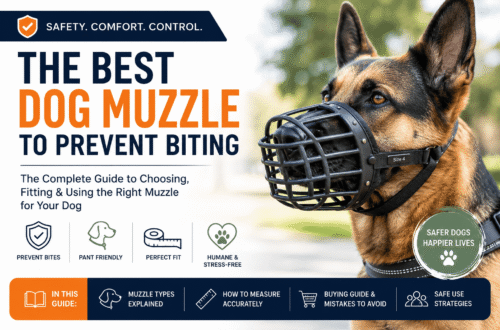
A good dog muzzle should do more than simply stop bites. The safest, most humane designs let your dog pant, drink, and even take treats while still protecting people, other animals, and your dog from making a mistake when they are scared or overstimulated.
That is why basket muzzles that allow eating and drinking are the gold standard for real‑world use. Below you will find 7 detailed options, with pros, cons, and practical tips to help you choose the best muzzle for your dog.
Why You Need a Muzzle That Allows Eating and Drinking
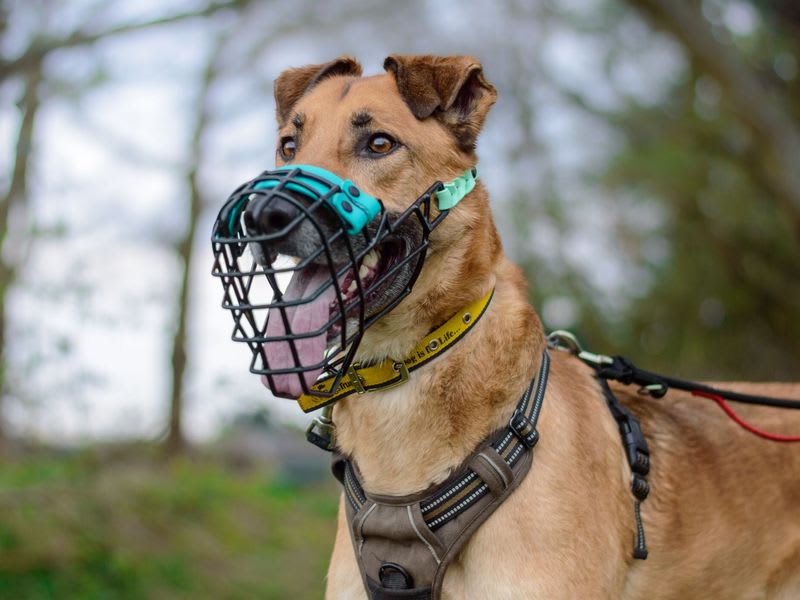
Basket‑style muzzles create a cage around your dog’s snout instead of clamping the mouth shut. This design gives enough room for your dog to open their mouth, pant to cool down, sip water, and take treats, which helps them stay safer and more relaxed.
Soft “wrap” or “sleeve” muzzles that hold the jaw closed are only appropriate for very short procedures like a quick injection or nail trim. They are not safe for walks, runs, travel, or training sessions because they prevent normal panting and drinking. For daily life, walks, and behavior work, you should always choose a basket muzzle that clearly allows panting, drinking, and treat‑feeding.
What Makes a Muzzle Safe and Humane?
- Room to pant: Your dog should be able to open their mouth fully and stick their tongue out for temperature regulation.
- Can drink and take treats: There should be enough space and openings for your dog to drink water and for you to feed treats through the front or sides.
- Bite‑resistant materials: For real bite prevention, rigid plastic, metal, or reinforced rubber is safer than soft fabric that can fold.
- Secure but comfortable fit: Straps should keep the muzzle from slipping off without digging into the skin or eyes.
- Good ventilation: Plenty of open areas around the snout so air flows freely, especially in warm weather or during exercise.
- Good ventilation: Plenty of open areas around the snout so air flows freely, especially in warm weather or during exercise.
When introduced with positive training, a well‑fitted basket muzzle becomes a safety tool—never a punishment.
1. Baskerville Ultra Muzzle
The Baskerville Ultra is one of the most commonly recommended basket muzzles for everyday use, reactivity work, and vet visits. It is a firm, rubberized basket that can be softened in warm water and gently reshaped for a more custom fit.
Key features
- Durable rubberized plastic basket with generous openings.
- Dogs can pant, drink, and take small treats when sized correctly.
- Adjustable nylon straps plus optional over‑the‑head strap.
- Offered in multiple sizes to fit small to giant breeds.
Pros
- Allows full mouth opening and comfortable panting.
- Very easy to reward with treats through the front gaps.
- Softer appearance than metal, more “friendly” in public.
- Affordable, widely available, and easy to replace or size up.
Cons
- Not as rigid as metal for very powerful, determined dogs.
- May not perfectly fit very flat‑faced or long‑nosed breeds.
- Might need extra padding for dogs with sensitive skin.
This is a strong “first muzzle” for many families: humane, adjustable, and suitable for training sessions, busy city walks, and vet or grooming appointments.
2. Rigid Plastic Basket Muzzles (Various Brands)
Many brands sell rigid plastic basket muzzles that follow a similar design: a hard plastic cage around the snout with wide gaps for airflow and treat‑feeding.
Key features
- Molded plastic basket with open sides and front.
- Adjustable head and neck straps.
- Offered in many sizes and colors.
- Easy to clean with mild soap and water.
Pros
- Typically more budget‑friendly than premium brands.
- Allow panting, drinking, and treat‑feeding through the gaps.
- Lightweight and quick to rinse and dry.
- Plenty of sizing choices for common breed shapes.
Cons
- Quality varies; some cheap models are too shallow or flimsy.
- Rough edges or weak buckles can appear in low‑quality versions.
- Not ideal for extreme head shapes or serious bite risk.
These are a reasonable entry‑level choice if you pick a design that clearly allows full panting and gives enough space in front of the nose and mouth.
3. Wire Basket Muzzles
Wire basket muzzles use a metal cage and are often chosen when you need maximum bite protection without sacrificing airflow. They are common for working dogs, shelter dogs, and dogs with a serious bite history.
Key features
- Rigid metal cage around the snout.
- Leather or synthetic straps; often padded at pressure points.
- Very large openings for airflow.
- Available in many sizes and custom options.
Pros
- Very bite‑resistant and hard to bend or break.
- Excellent ventilation for heavy panting and hot weather.
- Dogs can drink and usually take treats through the front or side gaps.
- Great for high‑risk environments and long‑term use.
Cons
- Heavier and more “serious”‑looking than plastic or silicone.
- Less forgiving if the dog bumps into people or objects.
- Can rust or discolor if not dried and cared for properly.
If safety is your absolute priority, a well‑fitted wire basket muzzle is one of the most secure ways to let your dog pant, drink, and take treats while preventing bites.
4. Silicone or Rubber Basket Muzzles
Silicone and rubber basket muzzles mimic the shape of a rigid basket but use softer, flexible material. They aim to offer a friendlier look and more cushioned feel while still allowing your dog to pant and drink.
Key features
- Soft silicone or rubber cage around the snout.
- Large ventilation holes; usually easy to feed treats through.
- Adjustable straps with quick‑release buckles.
- Often marketed as “comfort” or “soft basket” muzzles.
Pros
- Gentler feel against the dog’s face and nose.
- Many designs allow panting, drinking, and treat‑feeding easily.
- Less intimidating appearance compared to wire cages.
- Good compromise between comfort and basic bite protection.
Cons
- Very soft silicone can flex if a strong dog lunges or bites.
- Some models are too small or shallow for full panting.
- Can trap more heat than very open wire designs in hot climates.
These muzzles are a good option if bite risk is moderate and you value comfort and appearance, but they are not ideal for the most serious cases.
5. Leather Basket Muzzles
Leather basket muzzles use interlaced straps to form a cage that blends strength, airflow, and comfort. Quality leather models are popular among working‑dog handlers and owners who prefer natural materials.
Key features
- Straps of leather forming a roomy basket.
- Adjustable buckles and often padded nose areas.
- Can soften and mold to the dog’s face over time.
- Off‑the‑shelf and custom sizes available.
Pros
- Comfortable once broken in; leather flexes slightly.
- Allows panting, drinking, and treat‑feeding through gaps.
- Durable with proper care and conditioning.
- Classic, less industrial look compared to metal cages.
Cons
- Requires regular care to prevent drying and cracking.
- Some cheaper designs are too closed and reduce airflow.
- Can be pricey compared to basic plastic models.
If you like the feel and look of leather and are willing to maintain it, a well‑designed leather basket muzzle can be both secure and comfortable.
6. Basket Muzzles With Built‑In Treat or Slow‑Feeder Attachments
Some modern basket muzzles include a removable treat cup or slow‑feeder attachment on the front, designed specifically to make muzzle training more positive and rewarding.
Key features
- Rigid basket around the snout with normal ventilation.
- Clip‑in treat cup at the front for soft foods.
- Treat cup can usually be removed after training.
- Designed with positive reinforcement in mind.
Pros
- Makes first muzzle experiences far more positive.
- Dog can lick and nibble inside the muzzle, building a good association.
- After conditioning, functions like a normal basket.
- Still allows panting and drinking around the front attachment.
Cons
- Some treat cups are easier to dislodge for clever dogs.
- Can slightly reduce space for offering dry treats from the front.
- Often more expensive than plain baskets.
These designs are especially useful if you are nervous about how your dog will react to a muzzle and want to make the process as positive as possible.
7. Custom‑Fit Basket Muzzles (Wire, Biothane, or Hybrid)
For some dogs, especially those with unusual head shapes or very high safety needs, a custom basket muzzle is the most humane and reliable solution. These are built from your dog’s exact measurements.
Key features
- Made to your dog’s exact snout length, circumference, and width.
- Materials can include wire, Biothane®, leather, or combinations.
- Designed to allow full panting, drinking, and treat‑feeding.
- Often includes extra straps or padding for security and comfort.
Pros
- Best possible fit, reducing rubbing and escape attempts.
- Ideal for brachycephalic breeds, sighthounds, and very small or giant dogs.
- Can be built to match the dog’s exact bite risk and environment.
- More comfortable for regular or long‑term wear.
Cons
- More expensive and takes time to manufacture.
- Requires very accurate measurements and sometimes photos.
- May need to be replaced if your dog’s head shape or weight changes significantly.
If your dog will wear a muzzle regularly or has a serious bite history, a custom basket can be a worthwhile investment in both safety and comfort.
Basket vs. Soft Muzzles: Why Type and Fit Matter
Soft fabric muzzles that hold the mouth shut can be useful for very short, supervised procedures but are not designed for everyday life. They restrict panting and drinking, which can quickly become dangerous in warm weather, during exercise, or if your dog is stressed.
Basket muzzles, on the other hand, are designed for real‑world use: walks, travel, training, and public outings. They are safer for longer wear because they let your dog open their mouth, pant heavily, drink water, and often take treats.
Whatever style you choose, always check that your dog can pant and drink comfortably, that you can feed treats through the gaps, and that the muzzle does not rub or press into sensitive areas.
How to Choose the Best Humane Muzzle for Your Dog
Every dog and situation is different, so the “best” muzzle depends on your goals, your dog’s head shape, and how often they will wear it. Use these questions as a quick checklist:
- What is the real risk level—occasional nervousness, scavenging, or a serious bite history?
- Will your dog wear the muzzle for quick vet visits, daily walks, or extended training sessions?
- Do you live in a hot climate or do high‑energy activities where ventilation matters even more?
- Does your dog have a typical head shape or do you struggle to find gear that fits?
- Are you willing to invest time in positive muzzle training with treats and gradual exposure?
For many dogs, a well‑fitted basket muzzle—like the Baskerville Ultra, a quality plastic or wire basket, or a good custom design—offers the best balance of safety, comfort, and freedom to eat, drink, and pant. With patient training and the right fit, a muzzle becomes a responsible, humane tool that helps your dog navigate the world more safely.