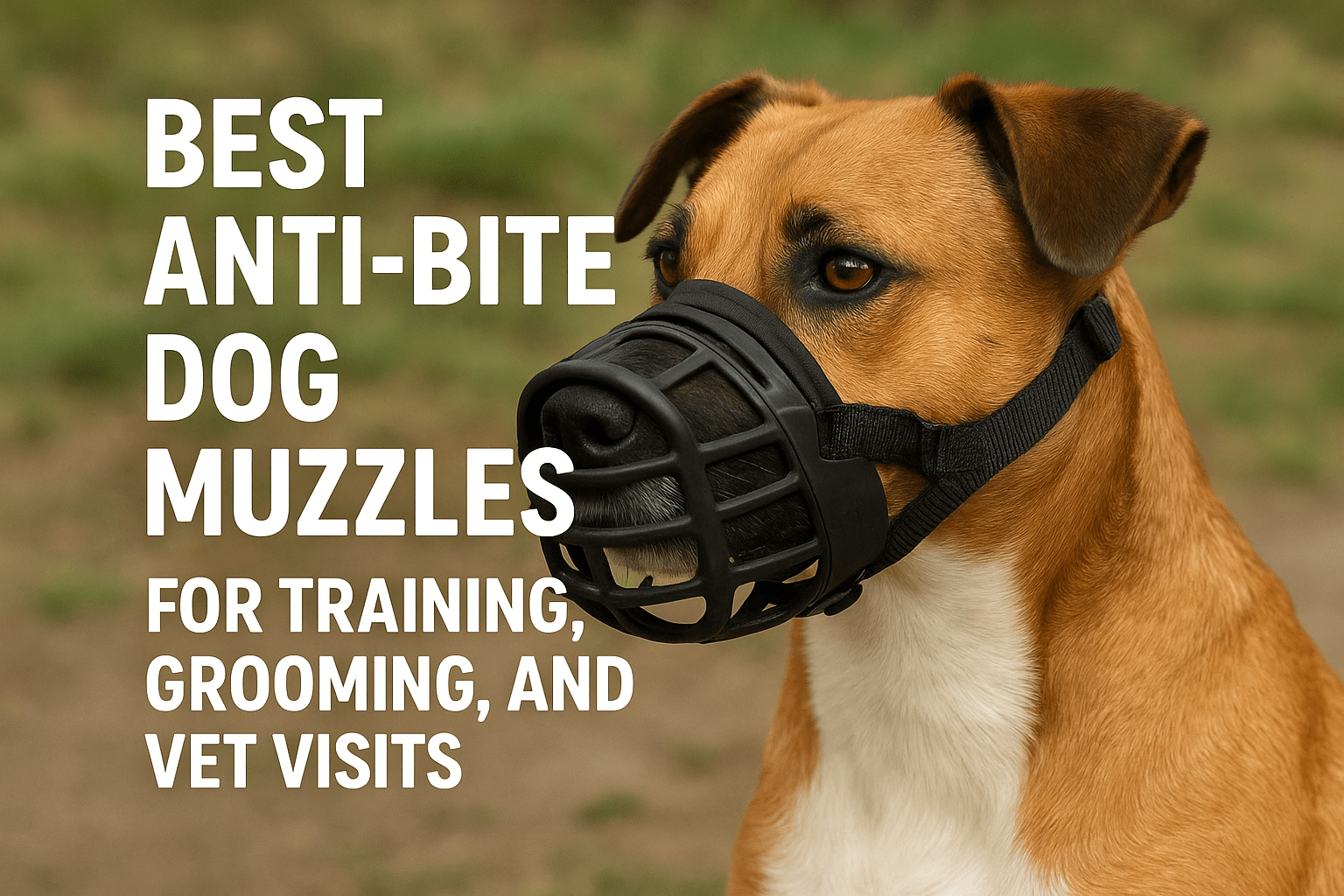
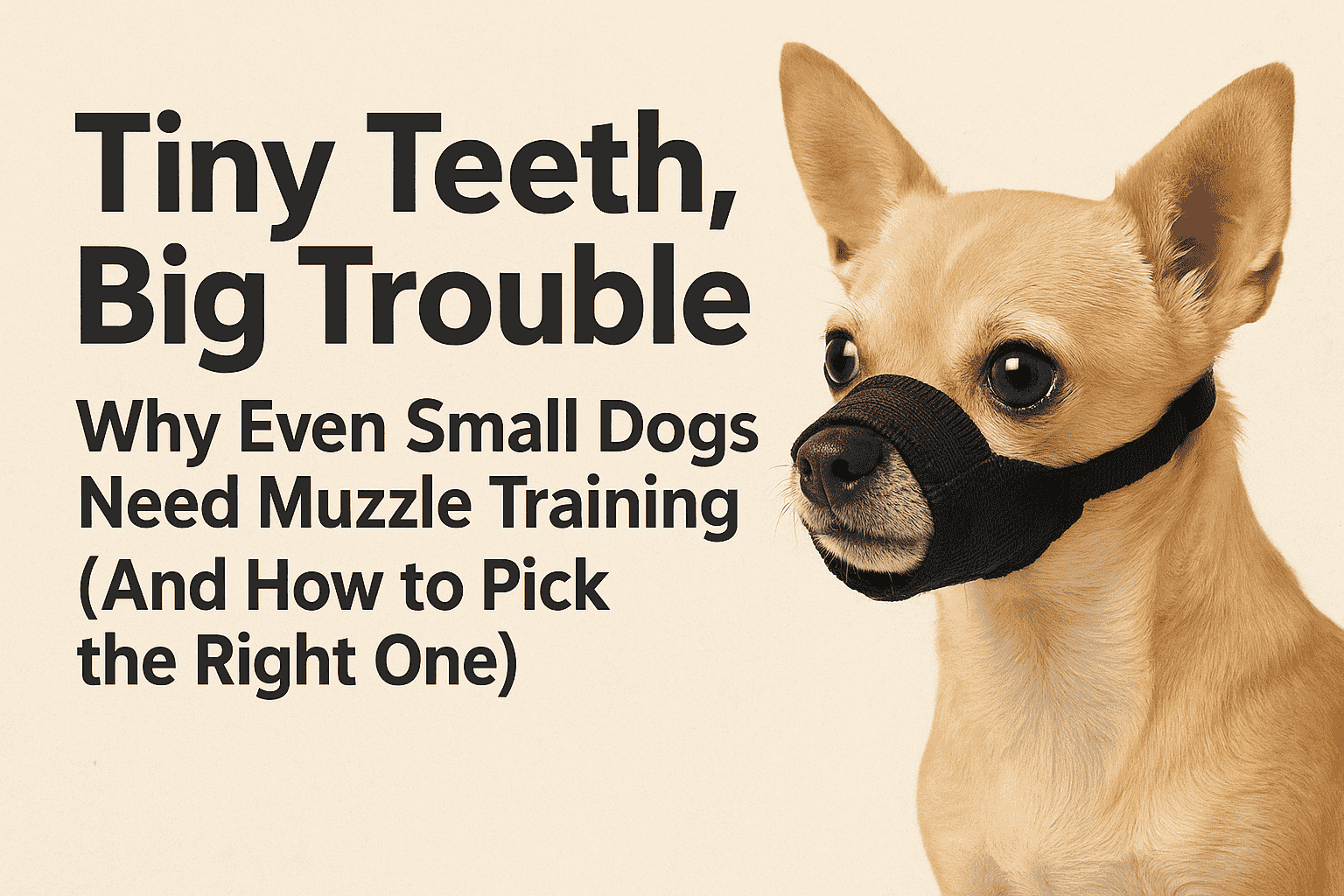
Muzzle training is important because it helps keep both dogs and people safe. When a dog is comfortable wearing a muzzle, it can help prevent bites in stressful situations, such as vet visits or grooming. However, muzzles should never be used as a punishment. If training is done incorrectly, dogs can become scared of the muzzle or refuse to wear it.
The goal of this blog is to help you avoid common mistakes so your dog learns to wear a muzzle calmly and confidently.
Mistake #1: Rushing the Training Process
If you try to put the muzzle on your dog too quickly, it can make your dog feel scared or anxious. Dogs need time to get used to new things, especially something that comes into contact with their face. Moving too fast can cause your dog to resist the muzzle or develop a negative association with it.
How to avoid it:
Introduce the muzzle slowly. Let your dog sniff and explore the muzzle first. Then, gently touch your dog’s nose with the muzzle and give treats. Keep the first few sessions very short, just a few seconds at a time. Gradually increase how long your dog wears the muzzle as they become more relaxed. Watch your dog’s reactions and go at their pace.
Mistake #2: Forcing the Muzzle Onto the Dog
If you force the muzzle onto your dog, it can make them afraid or even aggressive. This is because your dog feels trapped and scared, which can lead to negative feelings about the muzzle.
How to avoid it:
Let your dog accept the muzzle at their own pace. Encourage your dog with treats and praise each time they interact with the muzzle. Reward small steps, such as sniffing or touching the muzzle, to build trust and make the experience positive.
Mistake #3: Only Using the Muzzle in Negative Situations
If you put the muzzle on your dog only when something unpleasant is about to happen, like a vet visit or grooming, your dog will start to think the muzzle always means something bad. This can make your dog nervous whenever they see the muzzle.
How to avoid it:
Practice putting the muzzle on during fun or regular activities, like playtime or walks. This helps your dog see the muzzle as a normal and even positive part of life.
Mistake #4: Skipping the Positive Reinforcement
Using treats, toys, or praise during muzzle training helps your dog feel good about wearing the muzzle. If you don’t reward your dog for calm or brave behavior, they may not see any reason to cooperate. Skipping rewards can make the training slower and less successful.
How to avoid it:
Always reward your dog with treats, toys, or praise whenever they interact positively with the muzzle. This creates a strong, positive connection, making your dog more willing to wear it.
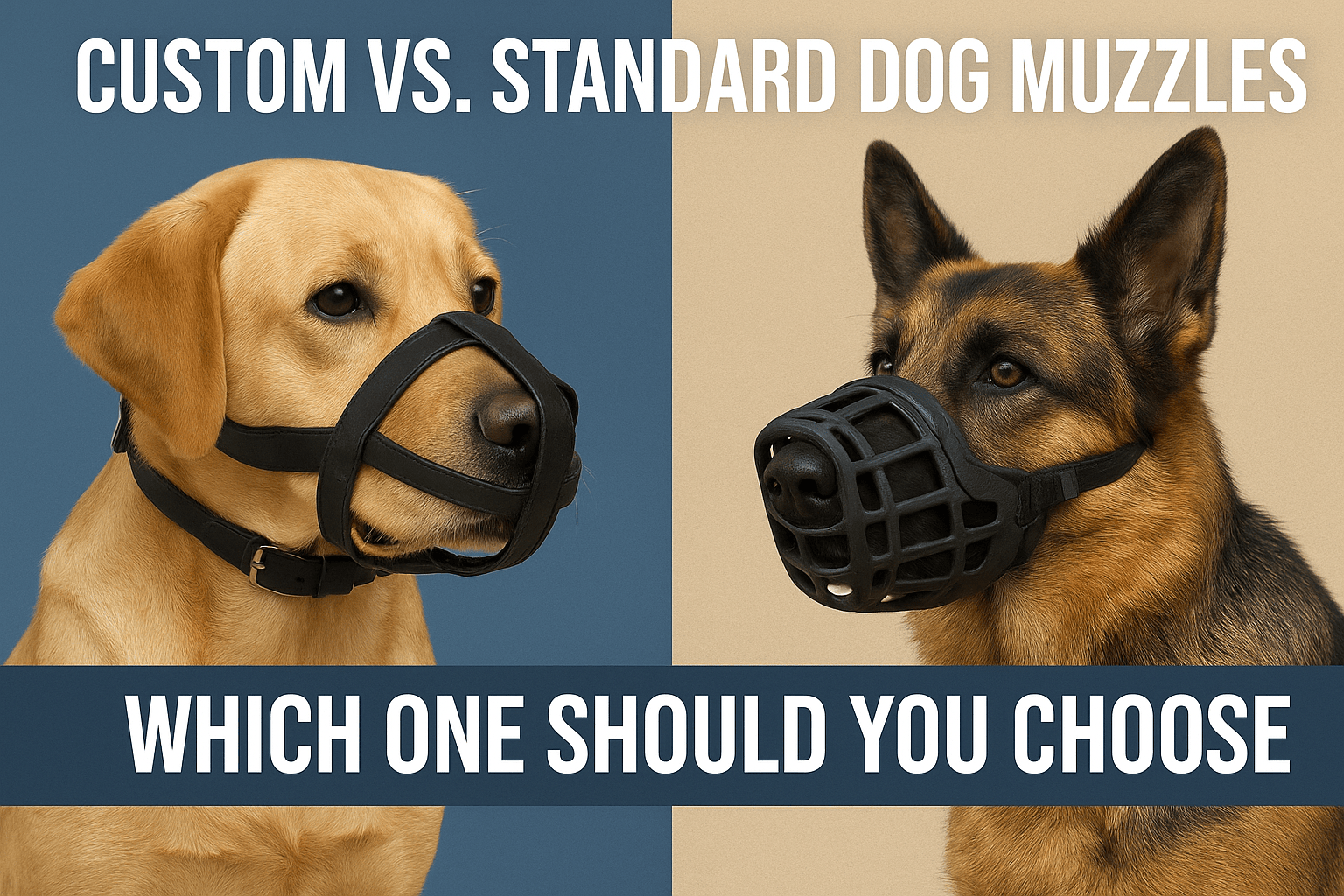
Mistake #5: Choosing the Wrong Type or Size of Muzzle
If a muzzle doesn’t fit well, it can be uncomfortable for your dog and make them less likely to accept it. A poor fit can cause rubbing, make it hard to breathe, or even let your dog slip out of the muzzle.
How to avoid it:
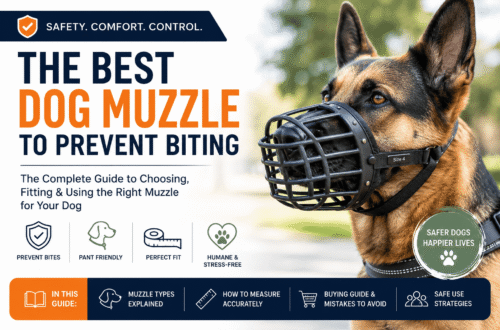
Choose a muzzle that matches your dog’s breed, size, and needs. Make sure it fits comfortably and allows your dog to pant and take treats whenever possible. Basket muzzles usually allow more freedom than soft muzzles.
Mistake #6: Using the Muzzle as a Punishment Tool
If you use a muzzle as a punishment, your dog may start to fear it and lose trust in you. Punishing your dog with a muzzle makes training harder and can damage your bond with your pet.
How to avoid it:
Always treat the muzzle as a safety tool that helps keep everyone safe. Never use the muzzle to punish or scare your dog.
Mistake #7: Not Practicing Enough Before Real Situations
If your dog only wears the muzzle in stressful or rare situations, they may not get used to it. Occasional use can make the muzzle feel strange or scary to your dog.
How to avoid it:
Practice with the muzzle at home when your dog is calm and relaxed. Short, positive sessions help your dog become accustomed to the muzzle in a safe environment.
Conclusion
With patience and positive training, dogs can learn to wear a muzzle comfortably and without fear. Remember, using a muzzle does not mean your dog is “bad”—it’s simply a tool to keep everyone safe in certain situations. Be consistent and kind in your training. Your dog will feel more confident, and you’ll both be better prepared for anything that comes your way.