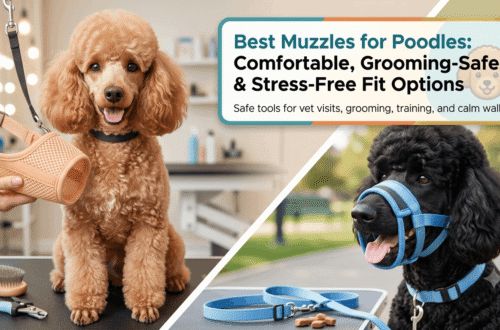
Introduction
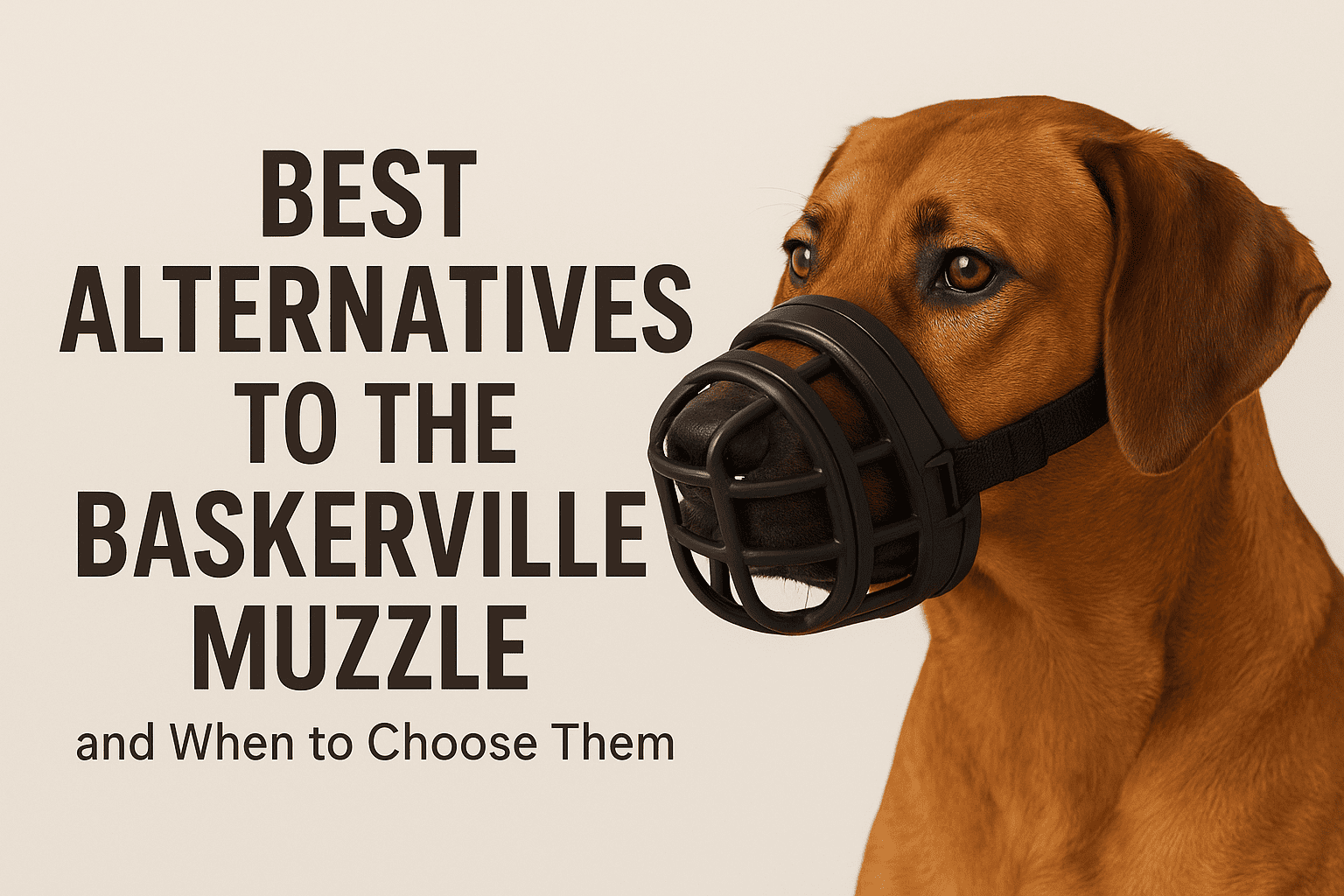
Muzzles can help dog owners manage behavior, keep dogs safe at the vet, and offer more control on walks. The Baskerville Muzzle is well-known for being strong, comfortable, and effective. However, it may not be effective for every dog or situation.
Some dogs find the Baskerville uncomfortable or hard to fit. Others might need a lighter or more breathable muzzle. Sometimes, a different style works better for certain behaviors.
This blog will show you the best alternatives to the Baskerville Muzzle and explain when to choose them. Whether you’re looking for a better fit, more comfort, or simply want to explore your options, this guide will help you choose the right muzzle for your dog.
Why Consider Alternatives to the Baskerville Muzzle?
The Baskerville Muzzle is strong, adjustable, and allows dogs to breathe easily, making it suitable for many dogs. But it’s not always the best choice for every dog or situation. Here’s why you might want to try something different:
Comfort
Some dogs find the Baskerville Muzzle uncomfortable, especially those with a short or sensitive snout. Even though it’s designed to be flexible and breathable, it can still bother some dogs—especially if they need to wear it for extended periods. If your dog doesn’t like wearing it or seems stressed, it’s a good idea to consider an alternative option.
Fit and Size Issues
The Baskerville Muzzle comes in different sizes, but it doesn’t fit every dog perfectly. Dogs with very short or long snouts might have trouble getting the right fit. If the muzzle feels too big, too loose, or keeps slipping off, you may need a different style.
Activity-Specific Needs
The Baskerville Muzzle works for many activities, but not all. It isn’t great for intense exercise or very active dogs. For tasks such as grooming or training, you may want a lighter, softer muzzle that is less restrictive.
Behavioral and Safety Considerations
Some dogs get anxious, aggressive, or like to chew. For these dogs, you need a muzzle that stops them from biting or slipping out. Some muzzles provide better control or added security when your dog is stressed.
Material Preferences
The Baskerville Muzzle is made of rubber, so it’s tough and long-lasting. However, rubber can be uncomfortable for some dogs, especially those with allergies or sensitive skin. Some dogs do better with a softer, more breathable muzzle made of fabric, especially if they need to wear it for extended periods.
If the Baskerville isn’t right for your dog, try other muzzles to find something that fits better and keeps your dog comfortable and safe. Next, let’s look at some of the best alternatives you can try.
Top 5 Alternatives to the Baskerville Muzzle
When selecting a muzzle for your dog, consider how it fits, its comfort level, and the purpose for which you need it. Here are five great alternatives to the Baskerville Muzzle. Each one offers different benefits, allowing you to find the best match for your dog’s specific needs.
The JAF Muzzle
- Features: The JAF Muzzle is soft, light, and flexible, making it comfortable and easy for dogs to wear. It lets your dog move their mouth more naturally and doesn’t cover their whole face, so it’s less likely to cause overheating. The open design also gives your dog better visibility.
- Best for: Dogs that get hot easily or don’t like pressure on their face, like Bulldogs, Pugs, or other short-nosed breeds. Also suitable for dogs that require wearing a muzzle for extended periods.
- Pros:
- Soft and comfortable—ideal for extended wear.
- Bends and moves with your dog’s mouth.
- Comes in different sizes for a better fit.
- Cons:
- Not as firm as the Baskerville, so it may not give enough control for aggressive dogs.
- Not a good choice for dogs that try to chew off their muzzle.
The PetSafe Gentle Muzzle
- Features: This muzzle is simple and easy to use. Made of soft nylon, it gently stops biting and chewing while still allowing your dog to breathe and pant. It’s light, adjustable, and quick to put on or take off.
- Best for: Dogs that only require a muzzle for brief periods, such as at the vet, during grooming, or when meeting new people or dogs.
- Pros:
- Soft, non-restrictive material allows for natural breathing.
- Lightweight and easy to use, even for first-time dog owners.
- Ideal for quick interventions during high-stress situations.
- Cons:
- It may not be suitable for aggressive dogs, as it offers limited control.
- It can slip off if not properly adjusted, especially on active dogs.
The Company of Animals Housetraining Muzzle
- Features: This muzzle is great for training. Made of soft nylon, it’s comfortable enough for your dog to wear for extended periods of time. Your dog can also drink while wearing it, which is useful during longer training sessions.
- Best suited for: Training and addressing behavioral issues such as excessive barking, chewing, or guarding food.
- Pros:
- Designed to allow drinking, which makes it more comfortable for longer sessions.
- Adjustable and lightweight, ensuring a good fit.
- Provides good control while still being gentle on the dog’s face.
- Cons:
- Not suitable for aggressive dogs due to its more relaxed fit.
- Does not prevent biting as effectively as more rigid muzzles.
The GoodBoy Soft Muzzle
- Features: The GoodBoy Soft Muzzle is made from soft, breathable material for extra comfort. It’s more flexible than the Baskerville Muzzle, so it’s less restrictive but still stops biting and chewing. The simple, secure design makes it a great choice for walks, outings in public, or grooming.
- Best for: Dogs that become anxious easily or require a gentle, comfortable muzzle for walks and outdoor activities.
- Pros:
- Comfortable and breathable for long-term use.
- Easy to adjust for a secure fit.
- Ideal for less intense situations, such as walks or vet visits.
- Cons:
- It may not be as effective for highly aggressive dogs that require more control.
- It can sometimes be chewed through by persistent dogs trying to remove it.
The Dogit Nylon Muzzle
- Features: The Dogit Nylon Muzzle is a simple and affordable option for short-term use. It’s made of strong nylon, is easy to put on and take off, and feels soft and light. It’s great for stopping biting, barking, or chewing on things your dog shouldn’t.
- Best for: Quick fixes during high-stress situations (like trips to the vet or grooming) or for owners on a budget.
- Pros:
- Affordable and functional for short-term use.
- Simple design that’s easy to clean.
- Lightweight and soft on the dog’s face.
- Cons:
- Limited durability, not ideal for long-term wear.
- May not fit well on all breeds, especially those with unusual snout shapes.
- Not the best option for dogs that are prone to extreme chewing or escape attempts.
These five alternatives to the Baskerville Muzzle give you different choices for your dog’s needs. Whether you want something more comfortable, lighter, or better for certain activities, one of these muzzles could be the right fit for your dog.
When to Choose Each Muzzle: A Quick Guide
With so many muzzles to choose from, picking the right one can feel overwhelming. The most important thing is to match the muzzle to your dog’s personality, behavior, and the reason you need it—like a vet visit, a walk, or training.
Here’s an easy guide to help you pick the best muzzle for your needs:
For Aggressive or Reactive Dogs
Choose: Baskerville Muzzle or JAF Muzzle
- These muzzles are strong and secure, good for dogs that might try to bite.
- Best used in safe, controlled environments, such as a veterinarian’s office or during training with a professional.
For Anxious or Sensitive Dogs
Choose: GoodBoy Soft Muzzle or PetSafe Gentle Muzzle
- These muzzles are soft and light, so they’re less scary for nervous dogs and feel gentle on their face.
- They work well for walks, visiting new places, or short meetings with new people or dogs.
For Grooming or Vet Visits
Choose: Dogit Nylon Muzzle or PetSafe Gentle Muzzle
- These muzzles are great for quick, short-term use.
- They help prevent nipping or snapping during things like grooming or vet visits, making the experience less stressful for both you and your dog.
For Active Dogs (Walks, Outdoor Adventures)
Choose: JAF Muzzle or GoodBoy Soft Muzzle
- These allow better airflow and movement while still offering control.
- Suitable for dogs who need a muzzle but still want to enjoy physical activity comfortably.
For Training and Behavioral Work
Choose: Company of Animals Housetraining Muzzle
- This muzzle is made for longer wear and training.
- Your dog can drink and pant while wearing it, but it helps stop unwanted behaviors like barking or eating things off the ground.
For Dogs with Unique Snout Shapes
Choose: JAF Muzzle, or look for muzzles made specifically for your dog’s breed.
- Flat-faced (short-nosed) breeds often can’t use regular muzzles.
- The JAF muzzle’s flexible design is better suited to dogs with short or unusual snouts.
Summary Table: Quick Match-Up
Match your specific scenario to the best muzzle type quickly
| Scenario | Best Muzzle Choice | Action |
|---|---|---|
| Aggressive behavior | Baskerville, JAF | Shop Models |
| Short-term use (vet, grooming) | Dogit Nylon, PetSafe Gentle | Shop Models |
| Anxiety/sensitivity | GoodBoy Soft, PetSafe Gentle | Shop Models |
| Training sessions | Company of Animals Housetraining | Shop Models |
| Outdoor activity | JAF, GoodBoy Soft | Shop Models |
| Odd snout shape | JAF, custom-fit or breed-specific options | Shop Models |
Choosing the right muzzle isn’t just about control—it’s also about keeping your dog comfortable and safe. Next, we’ll show you how to fit a muzzle properly and introduce it to your dog, so the experience is positive and stress-free.
How to Properly Fit and Use a Muzzle
A muzzle can be safe and kind to your dog if it fits well and is used correctly. However, if it doesn’t fit or is used incorrectly, it can cause harm or stress to your dog. In this section, we’ll show you how to select the right size, help your dog become accustomed to the muzzle, and ensure it’s safe for daily use.
Step 1: Get the Right Fit
Before anything else, measure your dog’s:
- Snout circumference: Measure around the widest part of your dog’s muzzle, just below the eyes.
- Snout length: Measure from the tip of your dog’s nose to just below the eyes.
Then:
- Check your dog’s measurements against the sizing chart from the muzzle brand.
- Select a size that allows your dog to pant, drink, and take treats—this is crucial for effective training with muzzles.
- Make sure the muzzle doesn’t touch your dog’s eyes or stop them from moving their jaw, unless it’s a short-term muzzle like the Dogit Nylon.
Fit check: You should be able to slip a finger between the muzzle and your dog’s snout, but your dog shouldn’t be able to remove it easily.
Step 2: Introduce the Muzzle Positively
Don’t just put the muzzle on your dog and hope they’ll accept it. Instead, help your dog get used to it step by step. Here’s how:
Day-by-day desensitization plan:
- Let your dog sniff the muzzle and give a treat for checking it out.
- Hold a treat inside the muzzle so your dog puts their nose in to get it.
- Slowly increase how long your dog keeps their nose in the muzzle, rewarding them each time.
- When your dog is comfortable, buckle the muzzle for a few seconds, then take it off and give a treat.
- Over several days, gradually increase the time your dog wears the muzzle, adding fun activities like playtime or walks.
Tip: Use high-value treats (chicken, liver, cheese) during training sessions. Make the muzzle mean “good things happen.”
Step 3: Use It Safely
- Never leave your dog alone while they’re wearing a muzzle—they could panic or the muzzle might move and become unsafe.
- Don’t use a muzzle as punishment—this can make your dog afraid of it.
- Only let your dog wear a muzzle for an extended period if it’s made for prolonged use and allows for panting and drinking.
- Check often for rubbing, chafing, or damage, especially if your dog is active or wears the muzzle a lot.
What Your Dog Should Still Be Able to Do in a Muzzle:
- Pant (essential for temperature regulation)
- Drink water
- Take treats (for training muzzles)
- Express body language (like sniffing or head turning—important for dog communication)
Using a muzzle the right way isn’t just about control—it’s about keeping your dog safe, comfortable, and respected. If you take the time to introduce it gently, a muzzle can be as normal and stress-free as wearing a leash or harness.
Conclusion
Muzzles sometimes get a bad reputation, but they’re actually great tools for keeping everyone safe and helping you care for your dog responsibly. Whether you’re dealing with reactivity, vet visits, or training, the most important thing is to pick a muzzle that suits your dog’s body, personality, and needs.
The Baskerville Muzzle is popular because it’s secure, breathable, and works in many situations—but it doesn’t fit every dog or every need. If your dog finds it uncomfortable or needs a muzzle for a special reason, there are other good options:
- JAF Muzzle: flexible and good for dogs sensitive to heat
- PetSafe Gentle Muzzle: gentle, short-term restraint
- Company of Animals Housetraining Muzzle: great for training
- GoodBoy Soft Muzzle: comfortable for walks and daily use
- Dogit Nylon Muzzle: quick and affordable control
Each muzzle has its own strengths. The right one depends on your dog, what you need it for, and how often you’ll use it.
Finally, remember: a muzzle isn’t a quick fix. It’s just one tool to help your dog feel safe and confident. Always use positive training, patience, and kindness alongside the muzzle to help your dog succeed.