Introduction
Many dogs experience anxiety or stress, just like people do. Common triggers include being left alone or hearing loud noises, such as thunderstorms and fireworks. About one in five dogs has some form of anxiety. If anxiety isn’t managed, it can lead to problems like chewing, barking too much, or even aggression. This can make life harder for both dogs and their owners.
Dog owners try various methods to help, including training, medication, calming wraps, diffusers, and even acupuncture. These methods can help, but they don’t always work for every dog.
Recently, more people are using custom muzzles. Unlike regular muzzles, custom muzzles are made to fit a dog’s unique face, so they’re usually more comfortable. Some owners use custom muzzles to help manage anxiety—especially for dogs that might bite, bark, or lunge when upset. But can custom muzzles really help with anxiety?
In this blog, we’ll explore whether custom muzzles can help reduce anxiety in dogs. We’ll share tips from veterinarians, animal behaviorists, and trainers so you can decide if a custom muzzle might be helpful for your dog.
Understanding Dog Anxiety
Before we discuss how custom muzzles can help alleviate anxiety, let’s first understand what dog anxiety is and how it manifests in their behavior.
What Is Dog Anxiety?
Dog anxiety is when your dog feels nervous, stressed, or afraid. Just like people, dogs can become anxious in certain situations or due to past experiences. This can lead to behaviors that are hard to manage if not addressed properly.
Types of Dog Anxiety
Here are the most common types:
- Separation Anxiety: Your dog gets very upset when left alone. They may bark, howl, destroy things, or try to escape.
- Noise Anxiety: Loud sounds, such as fireworks, thunder, or even vacuum cleaners, can scare some dogs, causing them to shake, hide, or panic.
- Fear-Based Anxiety: Some dogs are scared of specific things, such as strangers, other dogs, or new places.
- General Anxiety: Some dogs are consistently anxious, even when nothing is obviously wrong. They may pace, lick excessively, or act restless.
Signs Your Dog May Be Anxious
Dogs show anxiety in different ways. Look out for:
- Excessive barking or howling
- Chewing, scratching, or destroying furniture
- Trembling or hiding
- Growling, snapping, or biting (especially if afraid)
What Causes Dog Anxiety?
Anxiety can be triggered by many things, including:
- Changes in routine (like moving to a new home or a new pet in the house)
- Loud noises or unfamiliar environments
- Lack of exercise or mental stimulation
- Past trauma or bad experiences
Why This Matters
To help your dog feel better, it’s essential to identify the cause of their anxiety and work on alleviating it. This often includes training, changing routines, or using calming tools. For some pet owners, a custom muzzle becomes part of the strategy—but it’s not a cure on its own.
What Is a Custom Muzzle?
A custom muzzle is specially made to fit your dog’s unique face. Unlike standard muzzles, which come in limited sizes and may not fit every dog well, a custom muzzle is tailored for comfort and a secure fit. This can make it easier for your dog to wear the muzzle for longer periods, especially if it’s being used to help with anxiety.
Difference Between Standard and Custom Muzzles
- – Standard Muzzles: These store-bought muzzles are usually made of plastic, nylon, or rubber. They come in set sizes and are not shaped for each dog’s face, so they might not fit perfectly and could cause discomfort.
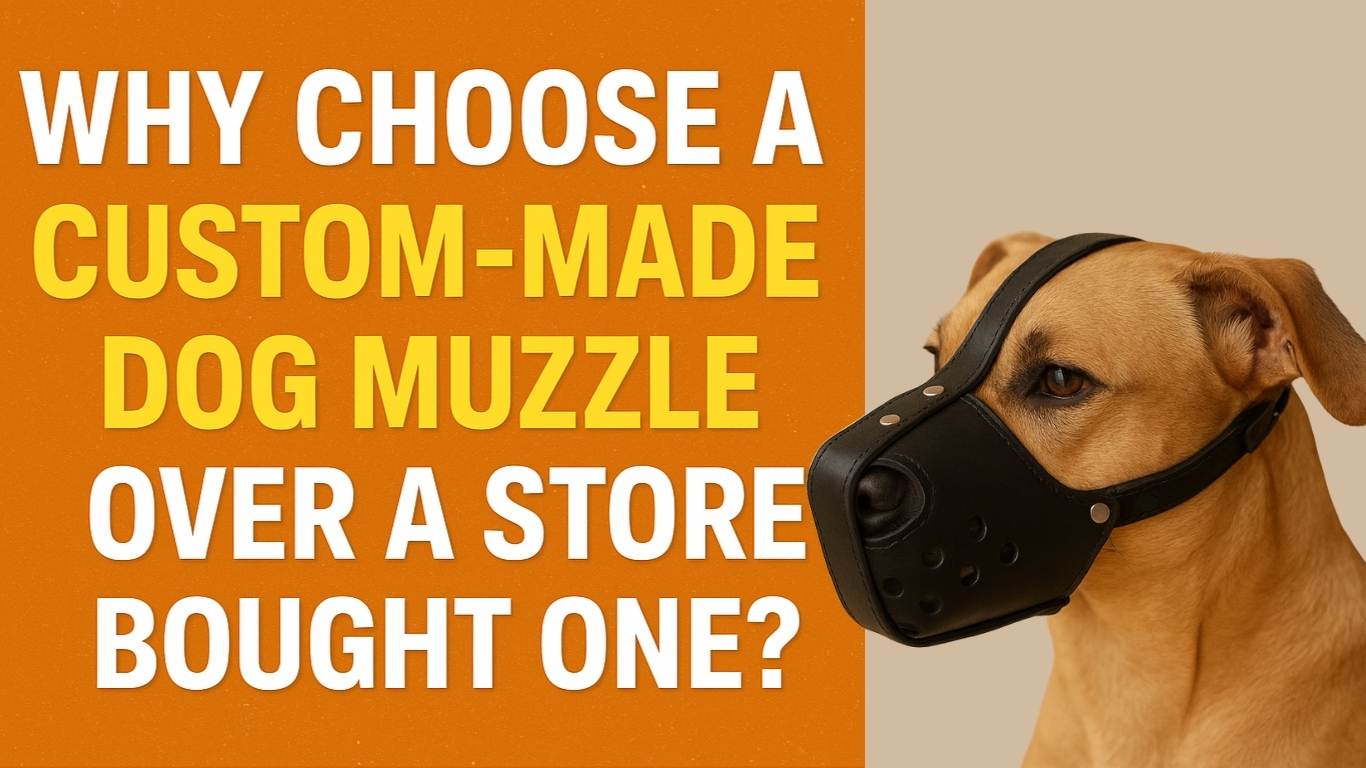
- – Custom Muzzles: These are made just for your dog. A professional measures your dog’s face to ensure the muzzle fits snugly yet comfortably. Custom muzzles can also be designed with special features, such as wider openings for improved breathing or space to accommodate drinking water.
Types of Muzzles
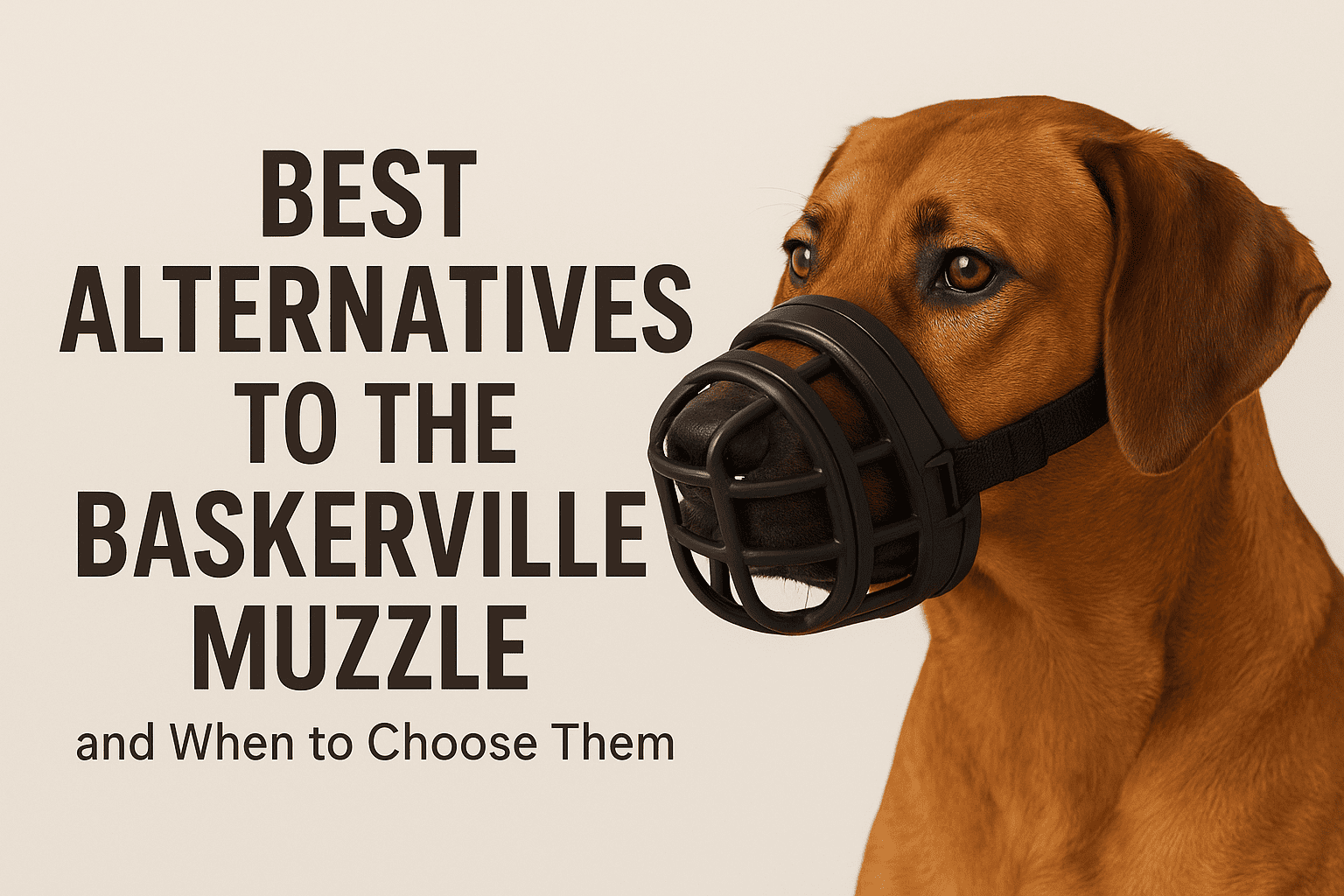
– Basket Muzzles: Made of metal or plastic, these allow dogs to breathe, drink, and pant easily. They are often used for short periods, such as at the vet or groomer.
– Soft Muzzles: Usually made of nylon, these fit closely around the snout. They are for situations where a dog may bite, but doesn’t need as much room to pant.
- – Custom-Fit Muzzles:These are made to match your dog’s exact face shape, making them more comfortable for longer use.
Why Choose a Custom Muzzle?
Pet owners may choose custom muzzles for several reasons:- Better Fit: They fit more securely and comfortably, so they’re less likely to slip off or cause irritation. A good fit may also keep the dog from trying to remove the muzzle.
- – Comfort: Custom muzzles often have better airflow, which helps keep the dog cool and comfortable.
- – Safety: For dogs with anxiety that might bite or lunge, a custom muzzle offers a safe way to manage these behaviors.
But do custom muzzles actually help with anxiety, or are they just a short-term fix? To answer that, let’s see what experts say about using muzzles to manage dog anxiety.
How Do Muzzles Relate to Anxiety?
Muzzles are typically used to prevent biting or unwanted behaviors, but some pet owners wonder if they can also help alleviate anxiety. Custom muzzles, which fit better and are more comfortable, are sometimes used to help manage anxious dogs. But how do muzzles actually relate to anxiety?
Muzzles as a Tool for Anxiety Management
Muzzles do not directly calm a dog or fix anxiety. Instead, they help manage the behaviors that come from anxiety. For example, an anxious dog might bite, chew, or exhibit aggressive behavior when it is scared. In these moments, a muzzle can stop injuries or damage while you work on treating the root cause of the anxiety in other ways.
A muzzle can be helpful during stressful events, like a vet visit or fireworks, when a dog might be more likely to snap or bite out of fear. By preventing these behaviors, a muzzle makes it safer for everyone and gives the dog a chance to calm down and receive the help it needs.
The Psychological Effect of Muzzles
However, muzzles are not magic solutions. Some dogs may become even more anxious when wearing a muzzle, especially if it doesn’t fit well or if they have had a bad experience with it. That’s why it’s important to introduce the muzzle slowly and positively. A custom muzzle, which is more comfortable and fits better, is less likely to cause a dog stress or discomfort. This can help the dog feel more at ease during tense moments.
Muzzles: A Short-Term Fix, Not a Cure
Experts agree that muzzles are not a long-term answer for dog anxiety. They are useful during certain situations to keep everyone safe, but they do not solve the underlying problem. True anxiety management involves training, changing the environment, and sometimes using medication or calming products.
In the long run, behavior training—such as gradually exposing your dog to things that make them anxious and rewarding them for staying calm—is often more effective. Muzzles can help keep things safe during this process, but they are not a replacement for proper anxiety treatment.
Expert Opinions: Do Custom Muzzles Really Help with Anxiety?
To determine if custom muzzles are beneficial for alleviating dog anxiety, we consulted with experts in veterinary medicine, animal behavior, and dog training.
Veterinary Behaviorists’ Perspective
Veterinary behaviorists say muzzles can be useful in certain situations—especially when a dog’s anxiety leads to dangerous behaviors, like biting or aggression. For example, a dog that gets very nervous at the vet might try to bite. In these cases, a muzzle can protect both the dog and the people nearby.
However, these experts also stress that muzzles are not a long-term fix for anxiety. While muzzles can help control the behaviors caused by anxiety, it’s still important to work on the main problem, like fear of the vet or separation anxiety, through training and gradual exposure. That means muzzles are a short-term tool while you help your dog feel less anxious overall.
Veterinarians’ Views
Most veterinarians agree: muzzles are helpful for managing risky behaviors, but shouldn’t be the only solution. For example, a custom muzzle might stop a dog from biting during grooming, but it won’t make the dog less afraid of being groomed. Veterinarians also warn that muzzles must fit properly—an uncomfortable or tight muzzle can actually exacerbate anxiety. Custom muzzles, which are designed for comfort and safety, are usually the better choice.
Animal Trainers & Behaviorists
Animal trainers and behaviorists see muzzles as just one part of a bigger plan for managing anxiety. They recommend pairing muzzles with positive reinforcement, like using treats and praise, to help the dog learn new, calm behaviors. For example, trainers often use muzzles along with counter-conditioning—teaching the dog that something scary (like a vet visit) can bring good things (like treats or play). The muzzle keeps everyone safe while the dog learns to better handle stress.
Experts agree that muzzles should always be used kindly and with care for the dog’s feelings. The aim is to help the dog see the muzzle as something positive, not scary. Giving treats or going for a favorite walk when the dog wears the muzzle can make the experience less stressful and help prevent more anxiety.
The Pros and Cons of Custom Muzzles for Anxiety
Now that we’ve heard from the experts, let’s look at the main pros and cons of using custom muzzles to help manage dog anxiety.
Pros:
- Comfortable and Secure Fit: Custom muzzles are made to fit your dog’s face, so they’re less likely to cause rubbing or discomfort. This helps your dog feel more comfortable and relaxed when wearing one.
- Prevents Harmful Behavior: Muzzles stop dogs from biting, chewing, or destroying things when they’re feeling anxious. This keeps everyone safe, especially during stressful situations.
- Safe for Stressful Situations: Custom muzzles are useful during vet visits, grooming, or out in public, helping protect your dog and others around them.
- Longer Wear Time: Since they’re more comfortable, custom muzzles can typically be worn for longer periods without causing issues.
Cons:
- Not a Solution for Anxiety: Muzzles only prevent certain behaviors. They don’t fix the root cause of anxiety. Dogs still need training and behavior help to truly feel better.
- Can Cause More Stress: If not introduced properly, a muzzle can make some dogs more anxious, especially if they associate it with something negative.
- Needs Proper Fit and Training: For a muzzle to work well, it must fit right. Dogs also need to learn to wear it in a positive way. Without this, muzzles can cause frustration or even injury.
- Risk of Overuse: Some owners ight usen muzzles too often or in the wrong situations, which can delay getting real help for their dog’s anxiety.
Alternatives to Custom Muzzles for Managing Anxiety
Custom muzzles can be useful tools, especially in high-stress situations, but they don’t fix the root cause of a dog’s anxiety. Long-term relief typically results from a combination of training, environmental adjustments, and, in some cases, medical support.
Here are some proven alternatives that help manage anxiety in dogs more effectively:
Behavior Training and Modification
Desensitization
This method involves slowly exposing your dog to the thing that makes them anxious, starting with a very mild version. Over time, they become more comfortable and less reactive.
Example: Playing thunderstorm sounds quietly while rewarding calm behavior.
Counter-Conditioning
This technique teaches your dog to associate something scary with something positive, like treats, praise, or toys.
Example: Giving your dog a treat every time they see a stranger, to build positive associations.
Medication and Supplements
For dogs with moderate to severe anxiety, your vet may suggest medical options.
Prescription Medications
Used for long-term management or specific triggers (like vet visits or car rides). Always prescribed by a vet.
Natural Calming Supplements
These include:
- CBD products (vet-approved)
- Herbal blends (chamomile, valerian root)
- Amino acids (like L-theanine or tryptophan)
⚠️ Talk to your veterinarian before giving any supplement or medication.
Calming Aids and Products
These over-the-counter products can help calm your dog without the need for medication.
Calming Wraps (e.g., Thundershirt)
Applies gentle pressure around your dog’s body, like a hug, helping them feel secure.
Pheromone Sprays or Diffusers
Mimic natural calming scents (like a mother dog’s scent) to reduce stress levels.
Calming Treats
Edible chews that contain natural ingredients to promote relaxation.
Exercise and Mental Stimulation
Keeping your dog both physically and mentally active can reduce overall stress.
- Daily Walks or Runs: Burns off nervous energy.
- Play Sessions: Fetch, tug, or agility games.
- Puzzle Toys or Slow Feeders: Engage your dog’s brain and keep them focused.
A tired dog is often a calm dog.
Creating a Calm Environment
A peaceful, secure environment can go a long way in helping an anxious dog.
Safe Space
Create a quiet, cozy area where your dog can retreat when feeling overwhelmed.
White Noise or Soft Music
Helps mask scary sounds, such as fireworks or traffic.
Consistent Routine
Regular feeding, walking, and play schedules help reduce uncertainty and stress.
Work with a Professional
If your dog’s anxiety is severe or not improving, a certified dog trainer or animal behaviorist can help.
They can:
- Identify specific anxiety triggers.
- Develop a personalized training plan.
- Guide you through desensitization and conditioning techniques.
Professional help can make a huge difference, especially for chronic or complex anxiety cases.
Custom muzzles can be helpful in the short term, but they’re not a cure for anxiety. The most effective approach combines behavioral training, environmental support, and, when necessary, medication or calming tools.
Taking the time to understand your dog’s triggers and using the right combination of strategies will help them feel more confident, calm, and secure.
Real-Life Success Stories
Hearing from other dog owners can be incredibly reassuring when you’re dealing with an anxious pet. While each dog is unique, real-life examples show how different tools—including custom muzzles—can play a role in managing anxiety, especially when combined with other strategies.
Here are a few stories that highlight how custom muzzles and alternative approaches have worked in the real world:
Bella: The Fearful Rescue Dog
The Problem: Bella, a 3-year-old mixed breed, was adopted from a shelter. She showed fear-based aggression around new people and other dogs, especially on walks. Her owner, Sarah, was afraid Bella might bite someone out of fear.
The Solution: Sarah worked with a behaviorist who recommended a custom basket muzzle during walks. This allowed Bella to explore the world safely while Sarah worked on desensitization and training.
The Result: Over several months, Bella became more confident. With consistent training and the use of treats and positive reinforcement, Bella’s reactions lessened. Today, she rarely needs the muzzle—but it gave her the safe space to learn.
✅ Takeaway: A custom muzzle gave Bella a safe way to adjust to her new world while her owner worked on the root of the anxiety.
Max: Fireworks and Thunderstorms
The Problem: Max, a 6-year-old Golden Retriever, had severe noise anxiety. Every Fourth of July or thunderstorm would send him into a panic—barking, pacing, hiding, even trying to break through doors.
The Solution: Max’s vet prescribed anti-anxiety medication for peak noise season, along with a Thundershirt and pheromone diffuser. The family also created a quiet space in the basement and played calming music.
The Result: Max began to settle more quickly during storms. His overall anxiety level dropped when the tools were used together. He didn’t need a muzzle, as his anxiety never involved aggression—just fear and panic.
✅ Takeaway: Not all anxiety cases need muzzles. For Max, a combination of calming aids, a safe environment, and vet support worked best.
Luna: Grooming-Day Struggles
The Problem: Luna, a 2-year-old Husky, became aggressive during grooming sessions—especially nail trims. She had snapped at the groomer before, likely out of fear.
The Solution: Luna’s owner had a custom muzzle made specifically for grooming visits, allowing her to pant, drink water, and remain comfortable. They also started at-home desensitization training using positive reinforcement.
The Result: Luna still wears her muzzle at the groomer for safety, but she’s much calmer thanks to pre-visit calming treats and shorter sessions. Grooming is no longer traumatic.
✅ Takeaway: A well-fitting custom muzzle allowed Luna to be safely groomed while building trust over time.
Rocky: The Reactive Walker
The Problem: Rocky, a small terrier mix, would bark and lunge at other dogs during walks. He had never bitten, but his owner worried he might if he got too close.
The Solution: A trainer recommended a custom basket muzzle to use while working on reactivity training. The muzzle allowed Rocky to safely be around triggers without putting others at risk.
The Result: Over time, Rocky’s reactivity improved with help from structured walks, rewards, and slow exposure. He still wears the muzzle occasionally in crowded areas, but it’s no longer needed daily.
✅ Takeaway: The muzzle helped Rocky’s owner feel confident during training, making walks less stressful for both.
What These Stories Show
- Custom muzzles can be a helpful part of an anxiety management plan—especially when safety is a concern.
- They are not the only solution, and they work best when used alongside training, calming tools, and professional help.
- Each dog is different. The best approach is personalized to the dog’s needs, triggers, and temperament
Real-Life Success Stories
Hearing how other dog owners manage anxiety in their pets can be really helpful. Below are some real-life stories that demonstrate how custom muzzles, combined with training and other tools, have made a difference for anxious dogs.
Bella the Rescue Dog
The problem: Bella, a shy rescue dog, was scared of new people and dogs. She sometimes growled or lunged on walks.
What helped: Her owner used a custom muzzle during walks to keep everyone safe. At the same time, she worked with a trainer to help Bella feel more comfortable around others gradually.
The result: After a few months, Bella became more relaxed and now rarely needs the muzzle.
✅ Lesson: A muzzle gave Bella space to learn and feel safe, while training fixed the real issue.
Max and the Fireworks
The problem: Max, a Golden Retriever, was terrified of loud noises, such as fireworks and thunderstorms. He would shake, bark, and hide.
What helped: His vet suggested anti-anxiety medication and a Thundershirt (a calming vest). His owner also created a quiet room with soft music during storms.
The result: Max became much calmer and stopped panicking during loud events.
✅ Lesson: Not all anxious dogs need muzzles—some just need calming tools and support.
Luna the Nervous Groomer
The problem: Luna, a young Husky, got very upset during grooming, especially nail trims. She once snapped at the groomer.
What helped: Her owner got a custom muzzle just for grooming days. It fit well and let Luna pant and stay comfortable. They also trained her at home to get used to being touched.
The result: Luna is now much calmer at the groomer. She still wears the muzzle for safety, but she’s not as stressed.
✅ Lesson: A muzzle made grooming safer and less scary while her owner worked on building trust.
Rocky the Reactive Walker
The problem: Rocky, a small terrier, barked and lunged at other dogs on walks. He never bit anyone, but his owner worried it could happen.
What helped: They used a custom basket muzzle during walks and worked with a trainer to reduce his reactivity.
The result: Rocky now walks more calmly. He still wears the muzzle in busy areas but no longer needs it every day.
✅ Lesson: The muzzle helped during training and gave his owner peace of mind.
What These Stories Teach Us
- Custom muzzles can be very helpful in managing anxiety safely and effectively.
- They work best when used in conjunction with training, calming tools, and professional assistance.
- Every dog is different. The key is finding the right mix of tools that help your dog feel safe and calm.
Expert-Recommended Custom Muzzle Options for Anxiety Relief
Baskerville Ultra
Runpet Leather Basket
Dean & Tyler Wire
Conclusion & What Experts Recommend
When it comes to helping dogs with anxiety, custom muzzles can be a useful tool—but they’re not a magic fix. Experts agree that while muzzles keep dogs and people safe during stressful moments, they don’t directly reduce anxiety on their own.
The best way to help an anxious dog is to:
- Understand what causes their anxiety.
- Utilize training and behavioral techniques to foster confidence.
- Create a calm, safe environment.
- Consider calming products, supplements, or medication if needed.
- Use a custom muzzle only when necessary for safety, not as a cure.
Final Thoughts
Custom muzzles can be part of a bigger plan to manage anxiety. They help protect your dog and others while you work on the root causes of fear and stress. Always choose a well-fitting, comfortable muzzle that lets your dog breathe and pant easily.
What You Can Do Next
- Talk to your vet or a dog behaviorist to get advice tailored to your dog’s anxiety.
- Consider training methods that focus on desensitization and positive reinforcement.
- Look into calming products or supplements if your dog’s anxiety is severe.
- If needed, get a custom muzzle designed to fit your dog comfortably and safely.
Remember: Patience and consistency are key. With the right help, your dog can feel calmer and happier over time.