Introduction
When picturing a dog bite, many people imagine a large, powerful breed. The truth is, size doesn’t determine which dogs bite—small dogs can be just as likely, if not more so, to nip or bite. In fact, their smaller size often means their warning signs are ignored or dismissed, which can increase their tendency to defend themselves with their teeth.
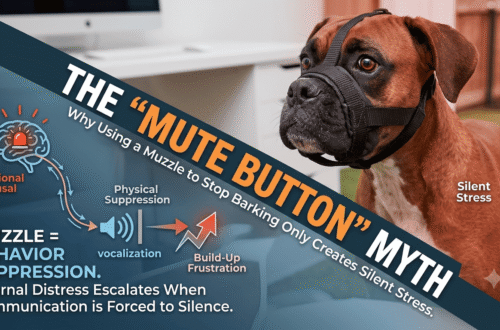
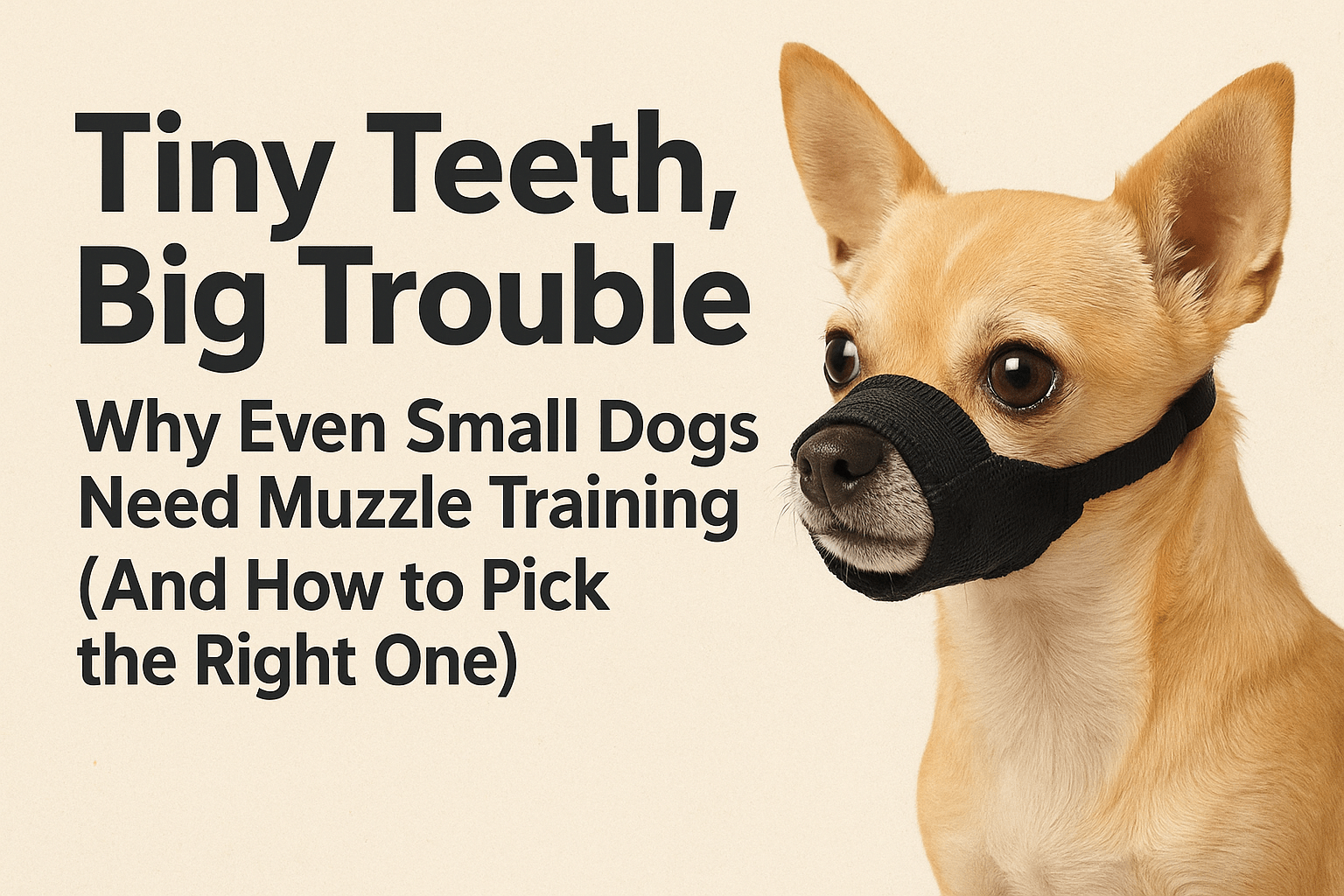
This is why responsible dog owners should see muzzles not as punishment, but as a practical tool for training and safety. When introduced positively, a muzzle can help keep everyone safe while protecting your small dog from situations where they might feel threatened or overwhelmed. Challenge the common myth that only big dogs bite.
Why Do Small Dogs Bite?
While small dogs may look harmless, their reasons for biting are often complex and rooted in their unique experiences. Recognizing these causes is crucial to preventing bites and ensuring a safe and supportive environment for your pet.
- Fear, Anxiety, or Pain: Small dogs may bite when they feel threatened, anxious, or are in pain. Their small size can make them more sensitive to sudden movements or loud noises, and if they feel cornered or hurt, they may nip as a way to protect themselves.
- Overprotective Tendencies: Many small dogs form strong bonds with their owners and may guard them or their possessions—like toys or food—very closely. This guarding behavior can result in nipping or biting, especially if someone approaches what they value.
- .Environmental Stress: New or stressful environments—such as trips to the vet, grooming sessions, or being around unfamiliar people or animals—can overwhelm small dogs. In these situations, they might bite out of fear or stress to communicate their discomfort.
The Benefits of Muzzle Training for Small Dogs
Muzzle training is not just for large or aggressive dogs—small dogs can benefit from it too. With patience and rewards, muzzle training can help keep everyone safe and make your dog feel more relaxed.
Prevents Accidental Nips: Even friendly small dogs might nip if they become scared or stressed, such as at the vet or in a busy environment. Wearing a muzzle stops nipping before it happens and keeps everyone safe.
Makes Training Safer: A muzzle allows your dog to participate in training and interact with new people or dogs without worry. You can focus on teaching and helping your dog learn, knowing everyone is safe.
Aids Recovery: If your dog is hurt or healing from surgery, a muzzle can stop them from licking their wounds. It also keeps people safe if your dog is in pain and might bite when touched.
Selecting the Best Muzzle for Your Small Dog
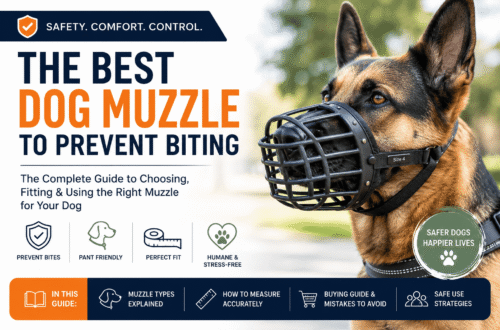
Choosing the right muzzle for your small dog is essential for their safety, comfort, and well-being. The best option will depend on your dog’s breed, needs, and the situations in which you’ll use the muzzle.
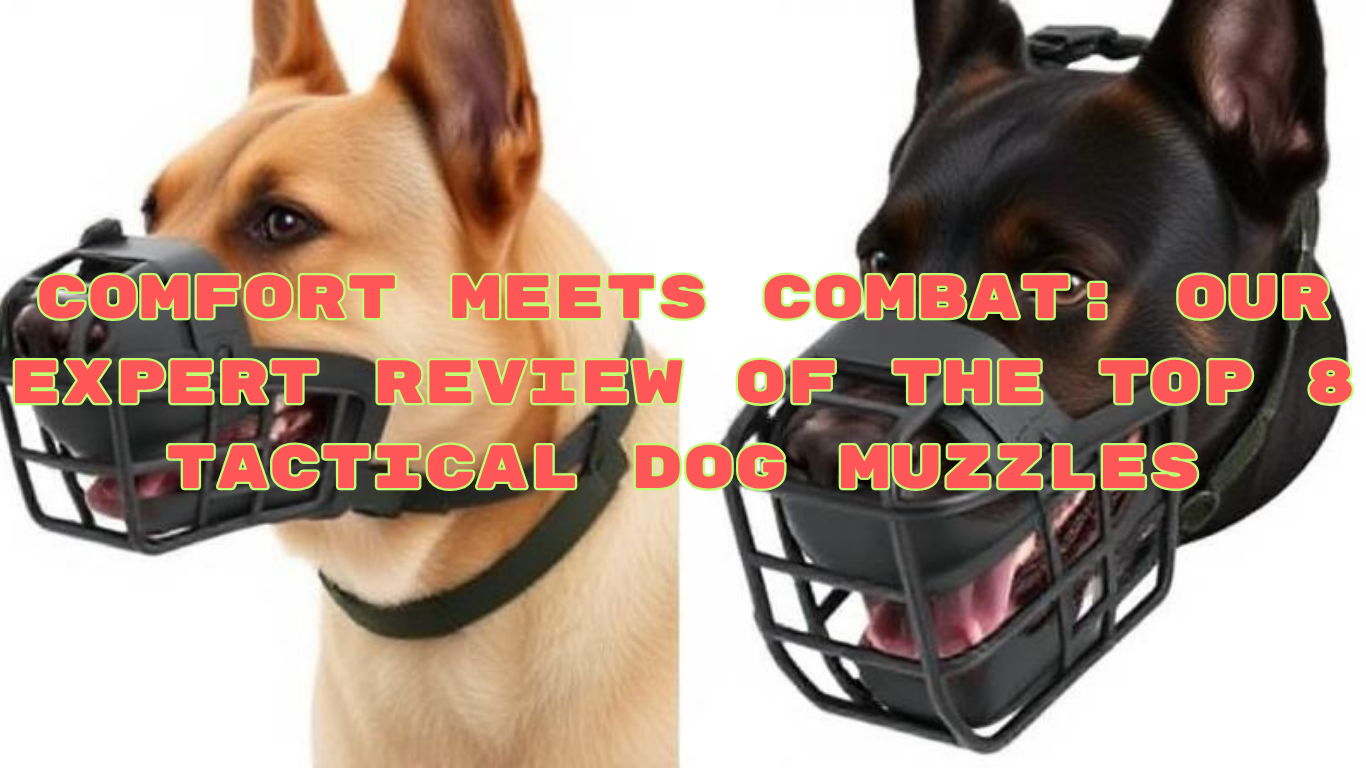
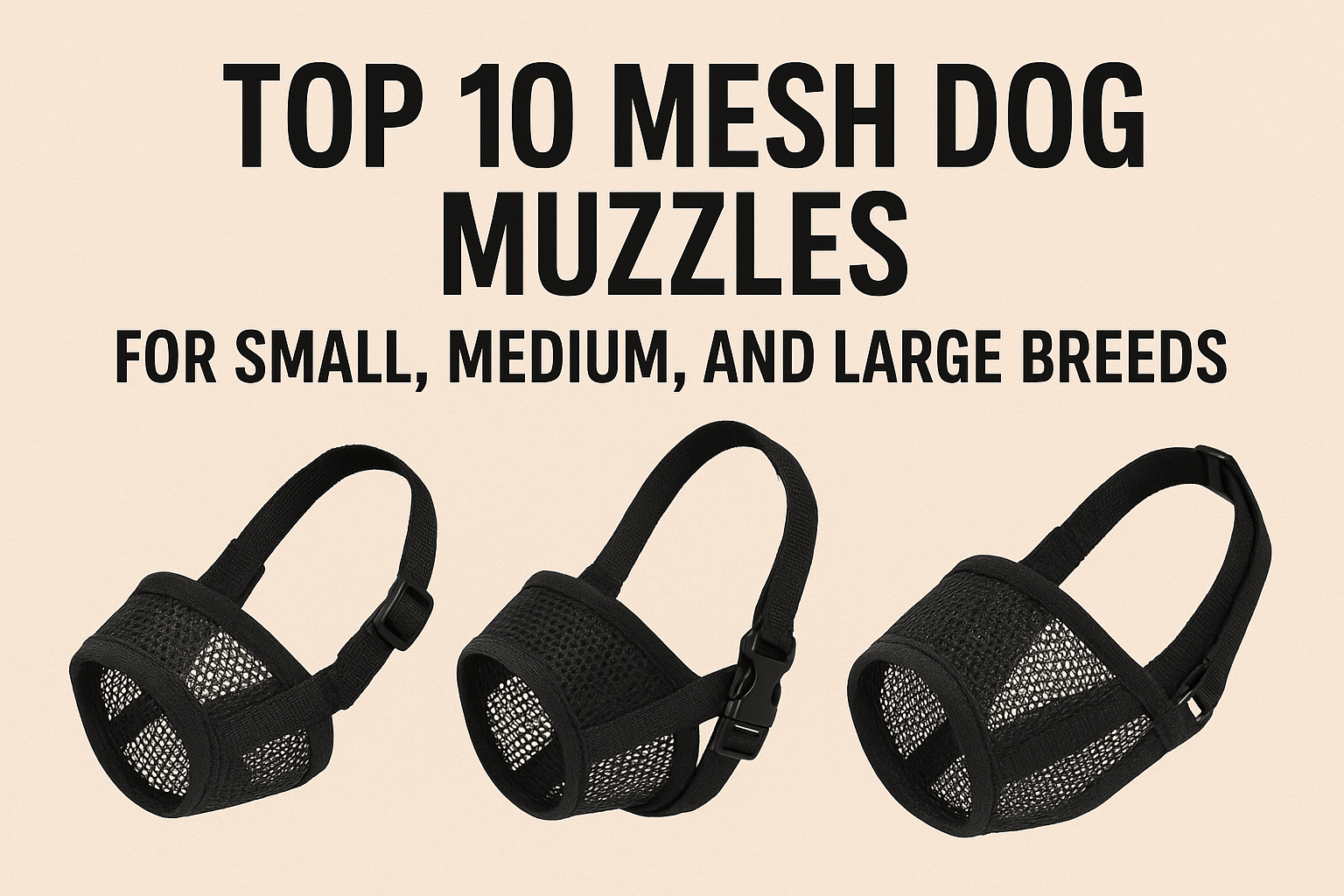
- Types of Muzzles: There are several types to consider. Mesh muzzles are lightweight and good for brief use, but may not allow panting. Silicone and basket muzzles provide more space for panting, drinking, and even taking treats, making them ideal for longer wear or training. Fabric muzzles are soft but should only be used for very short periods, as they restrict movement and airflow.
- Fit and Comfort: Measure your dog’s snout length and circumference to ensure a snug but comfortable fit. For brachycephalic (short-nosed) breeds, look for specialized designs that won’t restrict breathing. Always prioritize your dog’s comfort and ability to pant or drink while wearing the muzzle.
- Essential Features: Choose muzzles made from breathable, durable materials. Adjustable straps help achieve a secure fit, while padded or gentle fastenings prevent chafing and discomfort. A muzzle should always stay in place without causing distress.
Training Tips: Introducing the Muzzle Positively
Muzzle training should be simple and stress-free for your small dog. Let your dog sniff and check out the muzzle first. Give treats and praise when your dog shows interest. Put a treat inside the muzzle so your dog learns to put their nose in by choice. At first, fasten the muzzle for just a few seconds, then take it off and reward your dog. Slowly increase the duration of each session, always ending with a treat and praise. Never force the muzzle on or get upset—keep it calm and positive. With patience and rewards, your dog will learn that wearing a muzzle is nothing to worry about.
Conclusion
Be patient and use lots of praise and treats when muzzle training your dog. Make each session calm and positive—this will help your dog feel safe and trust you. Using a muzzle protects not only others, but also your own dog.
Muzzle training shows you care about your pet and those around you. Protecting your dog and others with a muzzle is a sign of real love and responsible ownership.